Top Sponsors of this Article
 Your Name - Your Organization Your Name - Your Organization Your Name - Your Organization Your Name - Your Organization
Table of Contents
All food must be reduced to select molecules that can pass through cell membranes to nourish the cell.
Getting To Know You.
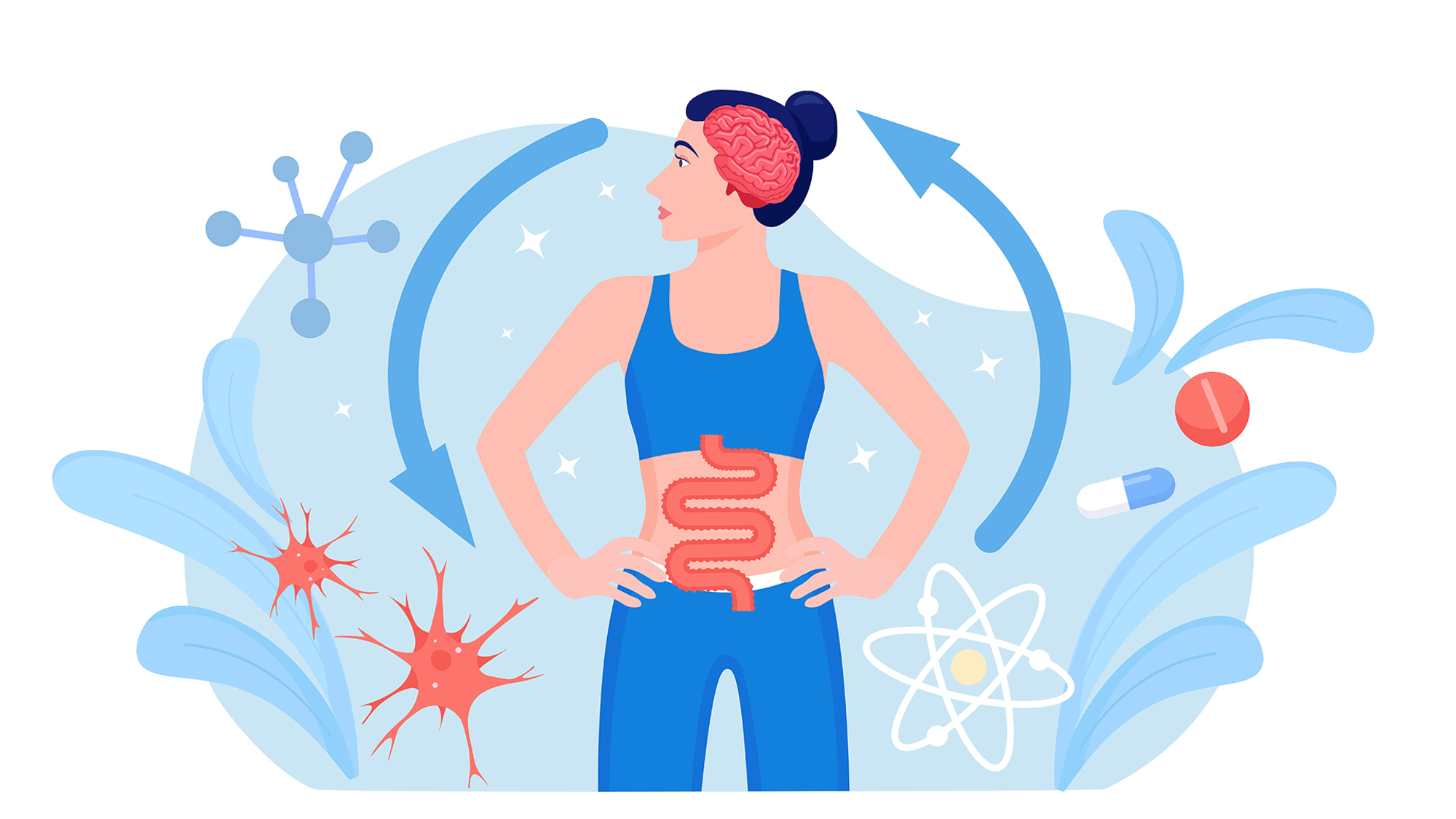
Could your health and happiness depend on the health and happiness of a trillion diverse microbes? If you're like most people, it's a shock to learn that our quality of life depends on microbes in our digestive tract. Once this sinks in, we realize we should definitely get to know these microbes better. Further, one of the best ways to determine what is best for your nutrition is to learn what is best for both your human and non-human cells.
In general, eating involves selecting complex molecules from the environment around us, modifying them by breaking them into their component parts, and transporting them into our bodies. Once nutrition is in our bodies, eating becomes digestion, and the nutrition is further processed and transported to our cells.
Human beings are a collection of cells with many capabilities and tools to support a wide range of eating. So much so that humans are known as omnivores, and their ability to eat a wide range of food has been a key to their evolutionary survival for hundreds of thousands of years.
Humans have a mind that helps acquire nutrition, including selecting safe and effective molecules called food. Humans have legs to seek out food, hands to gather and begin modifying food, and a mouth full of sensors to select safe and effective food.
However, on a cellular level, human and non-human cells alike have none of these: no brain, no legs, no hands, and no mouth. Yet, a cell still has to select the correct molecule, break it down into its component parts, ensure it's safe and effective, and bring it into the body for digestion. Safe and effective nutrition must be brought to cells ready to use. Cells accomplish this by relying on a bit of help from other cells and a bunch of ingenious biochemistry, fluid mechanics, membrane properties, and an interesting physical process known as osmosis.
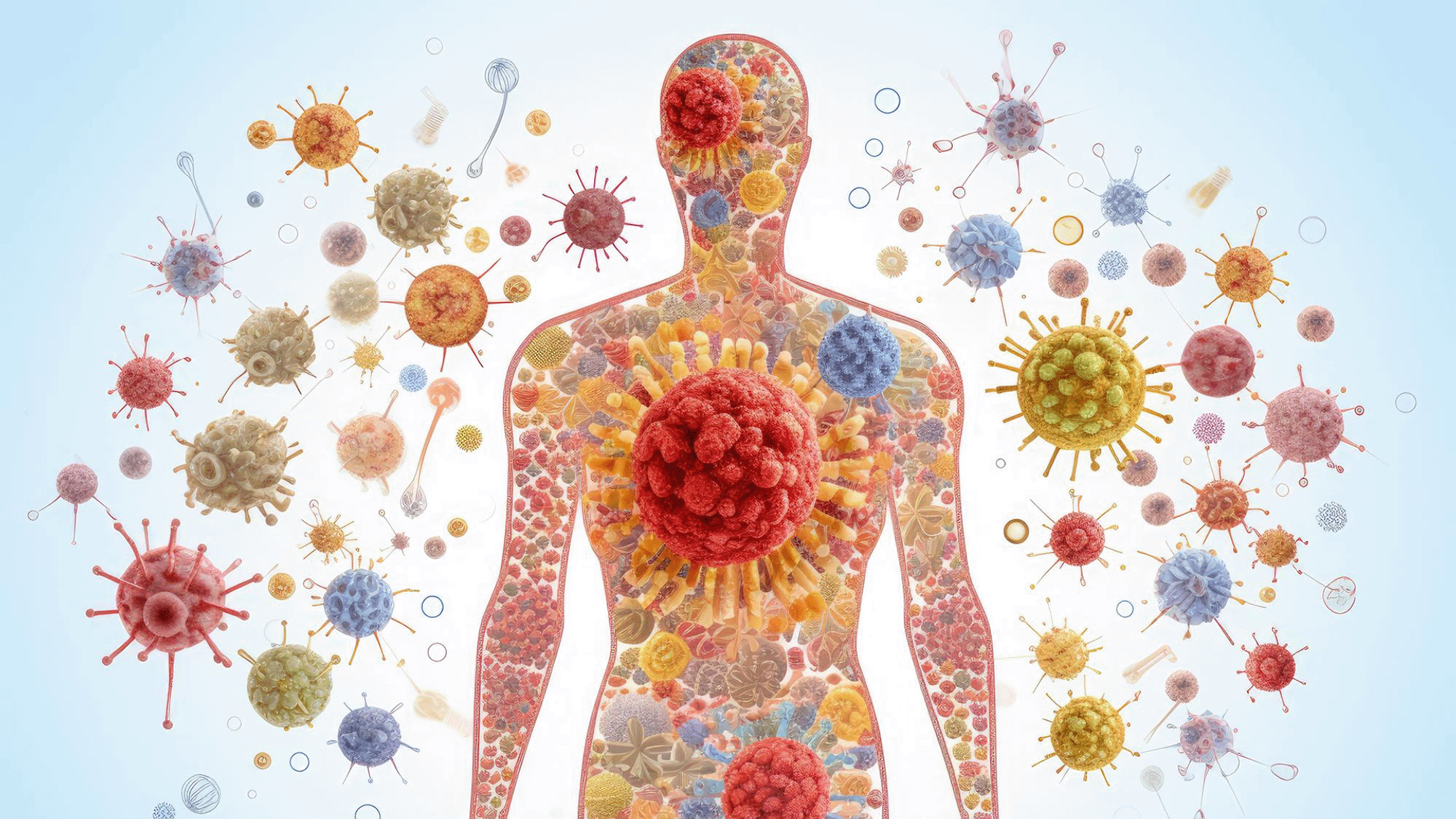
We'll begin by discussing human cells because they are, in some regards, a more straightforward and much better-understood system. The human body has many different types of cells, but their nutritional needs and mechanisms are remarkably similar. Human cells need a small group of amino acids, also known as proteins, a few lipids, also known as fats, trace amounts of select chemicals and minerals, also known as vitamins, and glucose, a particular form of sugar.
Everything that exists in the food chain must be reduced to these four types of nutrients before they can be used as food for a human cell. These nutrients fuel the energy that drives cell activity, a process known as metabolism. Problems related to these nutrients and the metabolism they support are where we get the terms metabolic syndrome and metabolic disease.
The human body has an elaborate food processing and distribution system to bring these nutrients directly into contact with the walls of the human cells. While discussed in more detail in the lesson about the bioreactor, we'll introduce the topic here. All four of these nutrient groups are critical to cell health, and many health problems and diseases can result from too little or too many of these four nutrients.
However, regarding metabolic syndrome, obesity, and metabolic disease, the focus is on glucose. Avoiding and reversing metabolic syndrome, obesity, and metabolic disease requires just the right amount of glucose to pass through the cell wall to provide nutrition to the human cells. The non-human cells play a significant role in whether that happens or not.
You Have a Big Mouth.
You might have a big mouth, but your cells don't. While this is obvious, its implications for nutrition are not. Since neither human nor non-human cells have a mouth, they must take nutrients through their cell walls. Therefore, instead of sight, smell, taste, recognition, and memory, selecting what passes as safe and effective nutrition requires a different system for cells. That system is the selective permeability of the outer cell wall or cell membrane. The cell wall is a highly refined structure that identifies safe and effective nutrient molecules and lets them pass through, blocking and keeping out all others.
Permeability and membranes are critical concepts in understanding the process of cellular-level nutrition. Permeability means that molecules of one substance can pass through another substance in the form of a membrane. Membranes typically stop molecules of one substance from passing through another substance. When membranes fail to do this, the membrane is said to be permeable.
Cell walls are selectively permeable, allowing safe and effective nutrition molecules to pass through and preventing unsafe and non-nutrient molecules from passing through.
Exactly which molecules are allowed to pass through is remarkably consistent with human cells but quite diverse for the non-human cells of the microbiome. This consistency is because all human cells have the same DNA and are metabolically similar. However, there are thousands of different species of cells in the microbiome, each with different non-human DNA.
This permeability is bidirectional. Nutrition molecules that pass through the membrane into the cell are offset by other metabolic byproducts passing out of the cell. Otherwise, the cell would keep enlarging until it bursts. These cell wall membranes are amazing feats of bioengineering.
This translocation of nutrients is where all the ingenious biochemistry, fluid mechanics, electromechanical forces, membrane properties, and osmosis come into play. While other lessons will expand this understanding, here we are going to start with the two primary determinants of permeability: the ability of the membrane's physical structure to only allow molecules of a specific size and shape to fit through and the force that pushes the molecule in or out through the membrane.
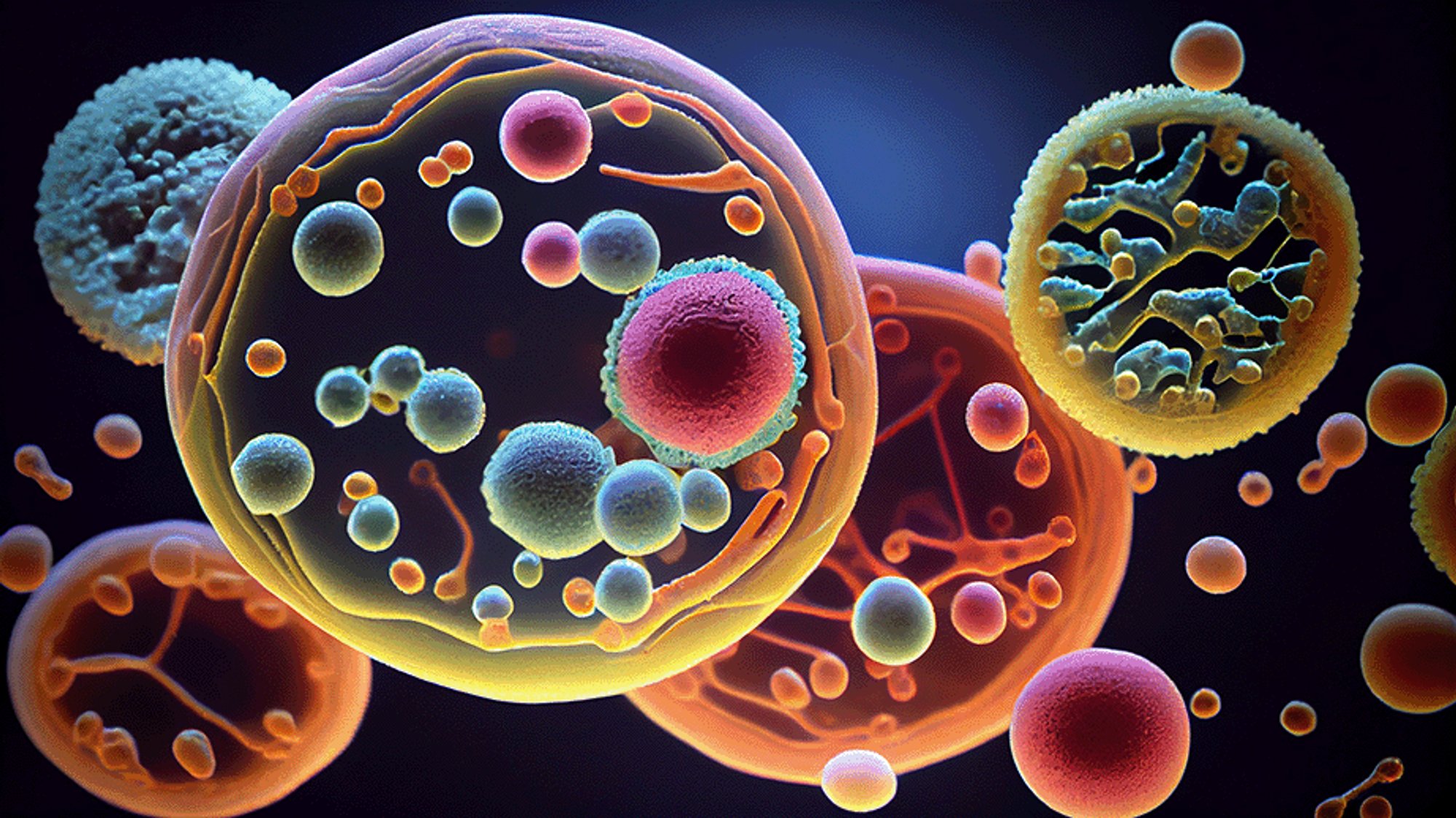
A membrane is not as solid as it appears. In reality, it is more of a filter. Think of a coffee filter that lets water with dissolved coffee particles through but does not let the coffee grounds through. The cell wall does this on a molecular level. All molecules have a unique size and shape. A cell wall membrane acts as a filter that allows only molecules of a specific size and shape to pass through. In biology, there tends to be a relatively small number of molecules that fit the size and shape to pass.
Therefore, even though the human food supply is extraordinarily diverse, with incalculable combinations and permutations of molecule sizes and shapes available, when it comes to feeding our cells, it all comes down to very few molecules that can pass through the cell membrane. This journey from this abundance to this select few is virtually ignored in nutrition discussions. Nutrition discussions primarily focus on the food supply to the mouth when we need to pay attention to the food supply to the cell membrane. This process is why focusing on your cells not having a mouth is so important.
So What Does Insulin Do Anyway?
Here's a great example of why understanding nutrition at the cellular level is important. The one essential energy-providing nutrient, glucose, cannot permeate the human cell membrane. In other words, the shape of the glucose molecule does not match the shape of the openings in the membrane.
That is until an insulin molecule attaches to the glucose molecule. That's why we hear so much about insulin when discussing metabolic syndrome, obesity, and metabolic disease. The primary role of insulin is to provide the key to glucose permeating the cell membrane and entering the cell to provide energy. You could starve to death with your blood full of sugar if you don't have insulin. If you have too much insulin, more glucose enters cells than is needed for energy, so the cell's energy systems are overworked, and excess glucose gets stored in fat cells.
You can see why there is a raging controversy between two schools of thought in nutrition: the calorie balance model, which focuses on how much sugar is in the blood, and the hormone/insulin model, which focuses on the amount and sensitivity of cells to insulin.
When you look at nutrition at a cellular level, what goes in the cells counts, not what goes in the mouth, and your microbiome has a lot to do with that.
As a result, Nutrimatters favors the hormone/insulin model over the calorie balance model. That's also why there is a whole lesson on why avoiding bad food is more important than eating good food when nutrition is abundant. All food is reduced to its primary molecules before entering a cell, no matter how "good" it was when it entered the mouth. That's right, broccoli and a brownie are the same in that both must be reduced to molecules of glucose before cells can use them as nutrition. There will be much more on this later.
Now that we have described what allows molecules to move through a membrane, we need to describe what drives the movement of molecules through the membrane. This force of movement is called osmosis. Osmosis is the movement of molecules from an area of high concentration to an area of low concentration. Concentration means the quantity of molecules in a given area or space. If there are more molecules in one defined space than the number of molecules in another but equal-sized space, the space with the greater number of molecules is said to have a higher concentration of those molecules.
Suppose the area immediately on either side of the membrane has the same number of glucose/insulin molecules. In that case, the concentration is the same, and there will be no movement of glucose through the membrane. Glucose is depleted within the cell as it is converted to energy, causing the glucose concentration to be lower inside the cell than outside. Osmosis then causes the glucose outside the cell to move through the membrane into the cell.
Converting glucose to energy continually reduces the glucose in the cell to varying degrees depending on the cell's energy needs. Ideally, you want just the right amount of extra glucose and insulin outside the cell to cause osmosis to push that glucose through the membrane to replace the glucose consumed as energy.
Many things can upset this balance, such as insufficient energy requiring glucose conversion, too much glucose outside the membranes, or insufficient insulin. If too much glucose is pushed into the cell by osmosis due to too much glucose concentrated outside the cell, the cell's energy conversion mechanisms can be overworked and damaged. This overwork and damage are measurable and are one of the markers of metabolic syndrome.
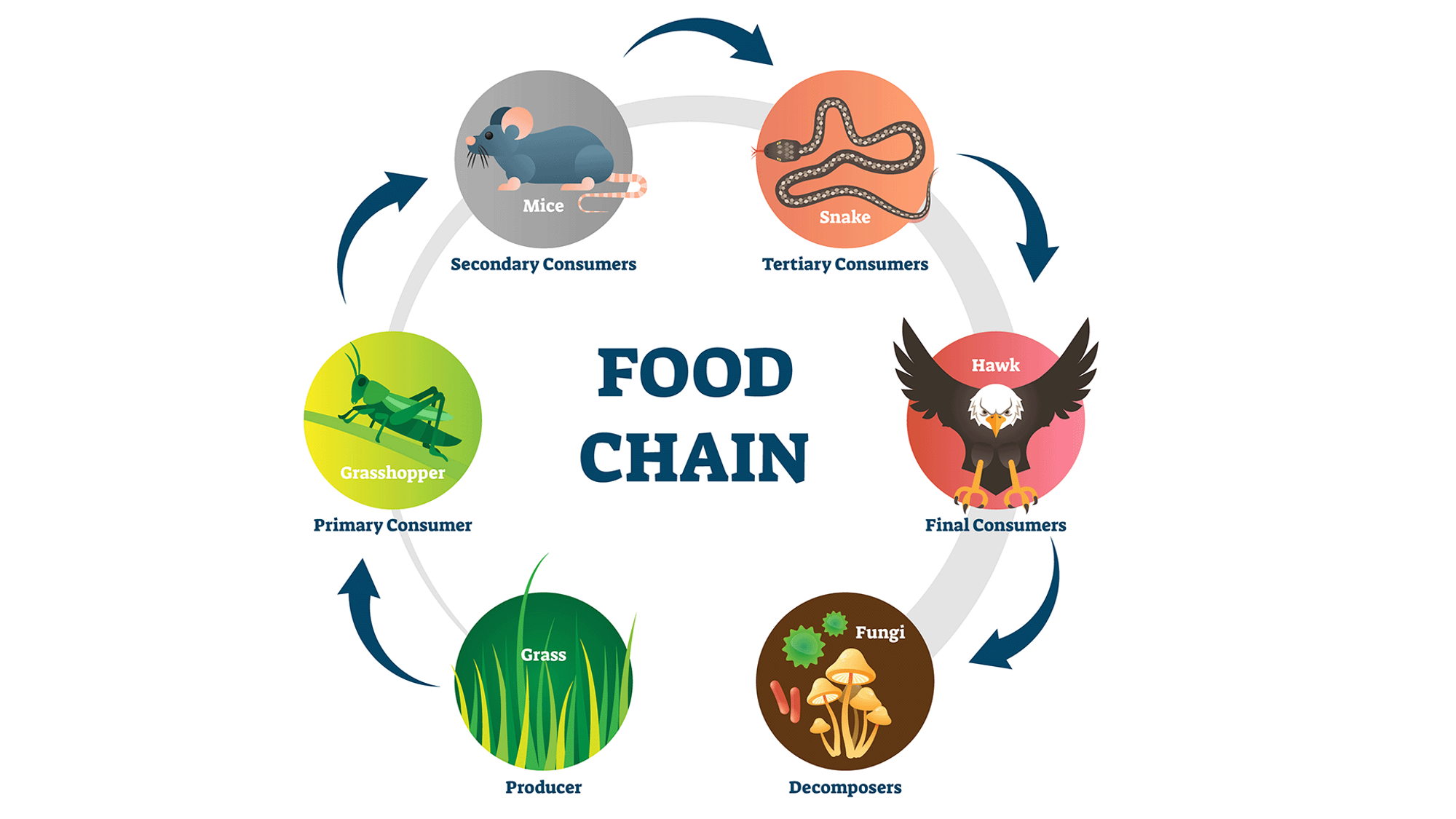
The Inside Food Chain.
The Nutrition industry focuses on the outside food chain, which selects and transports healthy food from the source to your mouth. However, the inside food chain is significantly more complex, as it involves selecting and transporting healthy food from your mouth to inside your cells.
When food hits your mouth, it consists of an enormous diversity of molecules. By the time it reaches the cell wall, it is reduced to a very few specific molecules. The job starts with chewing and the saliva of the mouth and continues with the mixing and the acid from the stomach. However, the job ends with the non-human microbes in your bioreactor creating the essential molecules of cellular nutrition.
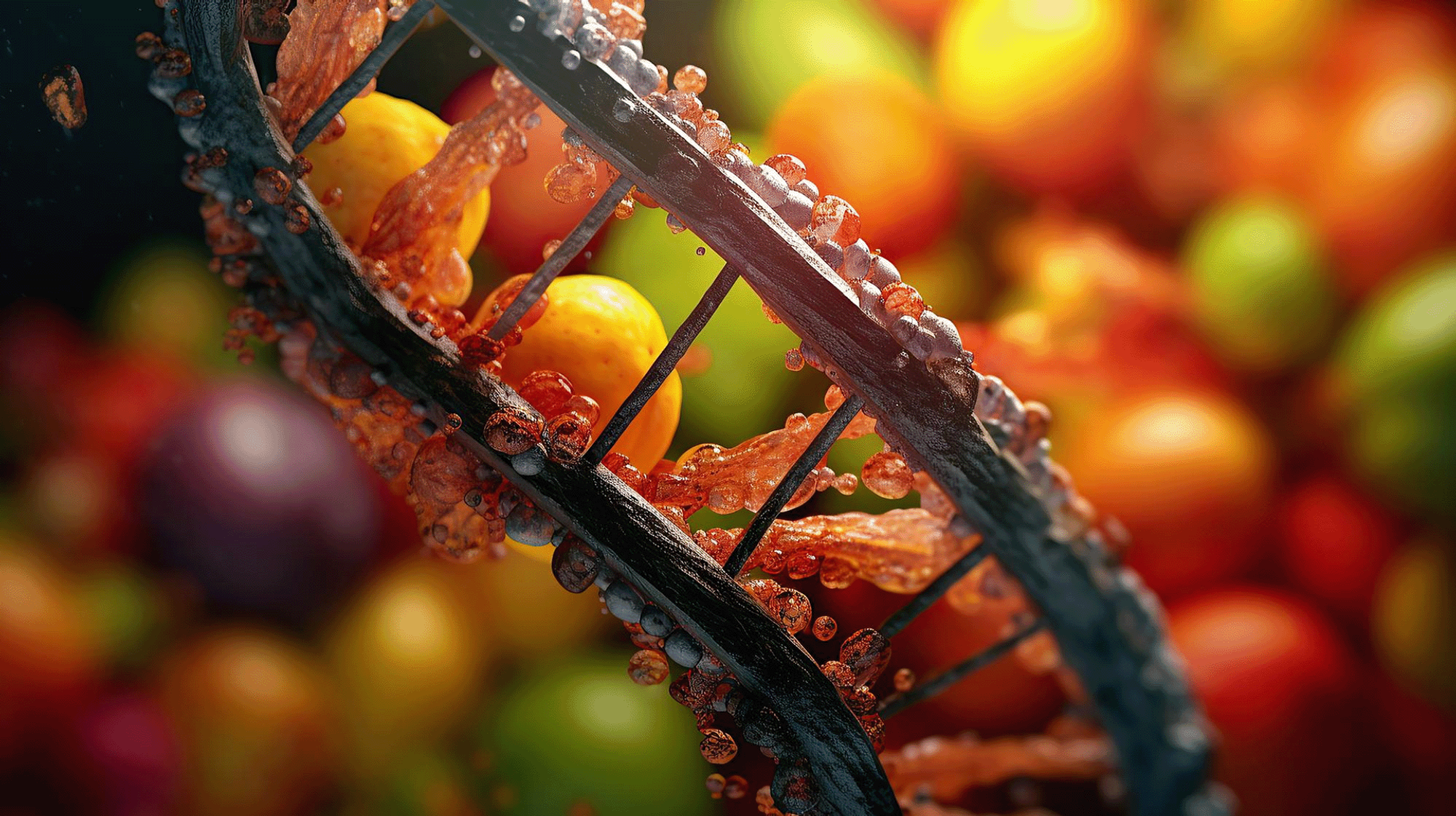
Everything discussed about human cells, membrane permeability, and osmosis applies to the non-human cells of the microbiome. However, human cells are the same species, while non-human cells are all different species. The food and byproducts of human cells are very consistent, while the diversity of species makes the food and byproducts of non-human cells as diverse as they are.
Like most life forms, these non-human microbes have preferred foods, produce diverse byproducts, prioritize reproduction, and thrive in various temperatures and environmental conditions, including a highly complex, cooperative, and competitive ecosystem of other microbes.
As food molecules pass in and byproducts out of their cell membranes, consider each species a different filter that takes a complex molecule and converts it to another slightly less complex molecule. Each leftover food of one species is often the food for another species.
For example, carbohydrates are a continuum of highly complex sugar molecules we call fiber, medium complex sugars we call starch, and simpler sugar molecules we call sugars.
One group of microbes eats fiber and leaves starches, and the next group eats starch and leaves complex sugars, which feed the next group of microbes to produce simple sugars. One of the final products of this inside food chain is glucose, which is the focus of metabolic syndrome, obesity, and metabolic disease.
This hierarchy of food conversion is what creates the inside ecosystem. Microbes eating the most complex fiber molecules are at the top, starch eaters in the middle, and sugar eaters at the end. The lesson You Breed What You Feed discusses this in detail. The focus here is that these microbes are essential to your ability to feed your cells.
Actionable Knowledge
- If you're like most people, it's a shock to learn that our quality of life depends on microbes in our digestive tract. Once this sinks in, it's reasonable to think we should definitely get to know these microbes better and take good care of them.
- The human body has an elaborate food processing and distribution system to bring protein, vitamins, fats, and sugar in the form of glucose directly into contact with the walls of the human cells. However, regarding metabolic syndrome, obesity, and metabolic disease, the focus is on glucose. Avoiding and reversing metabolic syndrome, obesity, and metabolic disease requires just the right amount of glucose to pass through the cell wall to provide nutrition to the human cells.
- When you look at nutrition at a cellular level, what goes in the cells counts, not what goes in the mouth. Nutrimatters favors the hormone/insulin model over the calorie balance model. It is more important to focus on avoiding bad food than eating good food since all food must be reduced to its primary molecules before entering a cell, no matter how "good" it was when it entered the mouth. That's right, broccoli and a brownie are the same in that both must be reduced to molecules of glucose before cells can use them as nutrition.
- Like most life forms, these non-human microbes have preferred foods, produce diverse byproducts, prioritize reproduction, and thrive in various temperatures and environmental conditions, including a highly complex, cooperative, and competitive ecosystem of other microbes. As food molecules pass in and byproducts out of their cell membranes, think of each of these different species as a different filter that takes a complex molecule and converts it to another slightly less complex molecule, ready to be processed by the next microbe in the inside food chain.
Article Top Sponsors

 Donate to Help Improve Articles
 Last Updated 07.16.26 10:03 AM ET