
Top Sponsors of this Article
 Your Name - Your Organization Your Name - Your Organization Your Name - Your Organization Your Name - Your Organization
Table of Contents
The success of populations of digestive system microbes is determined mainly by what you feed them.
Breeding Microbes For A Living.
The field of nutrition focuses almost exclusively on feeding human cells. The goal of nutrition is to get the exact right type and amount of nutrition into human cells. Yet this cannot be accomplished by food choices alone. Humans would starve to death regardless of diet without microbes first reducing complex foods into simple molecules that can move into the cells to sustain life. Therefore, getting the exact right type and amount of nutrition for human cells must include getting the exact right type and amount of microbes processing your food choices.
Humans have a unique ability to influence the life around them. We've become experts in breeding many lifeforms, including crops, flowers, farm animals, pets, horses, zoo animals, and so on. Yet, historically, we've been surprisingly disinterested in breeding the most essential form of life for our health: our microbiome. It's time we recognize our expertise and start nurturing our microbiome for better health.
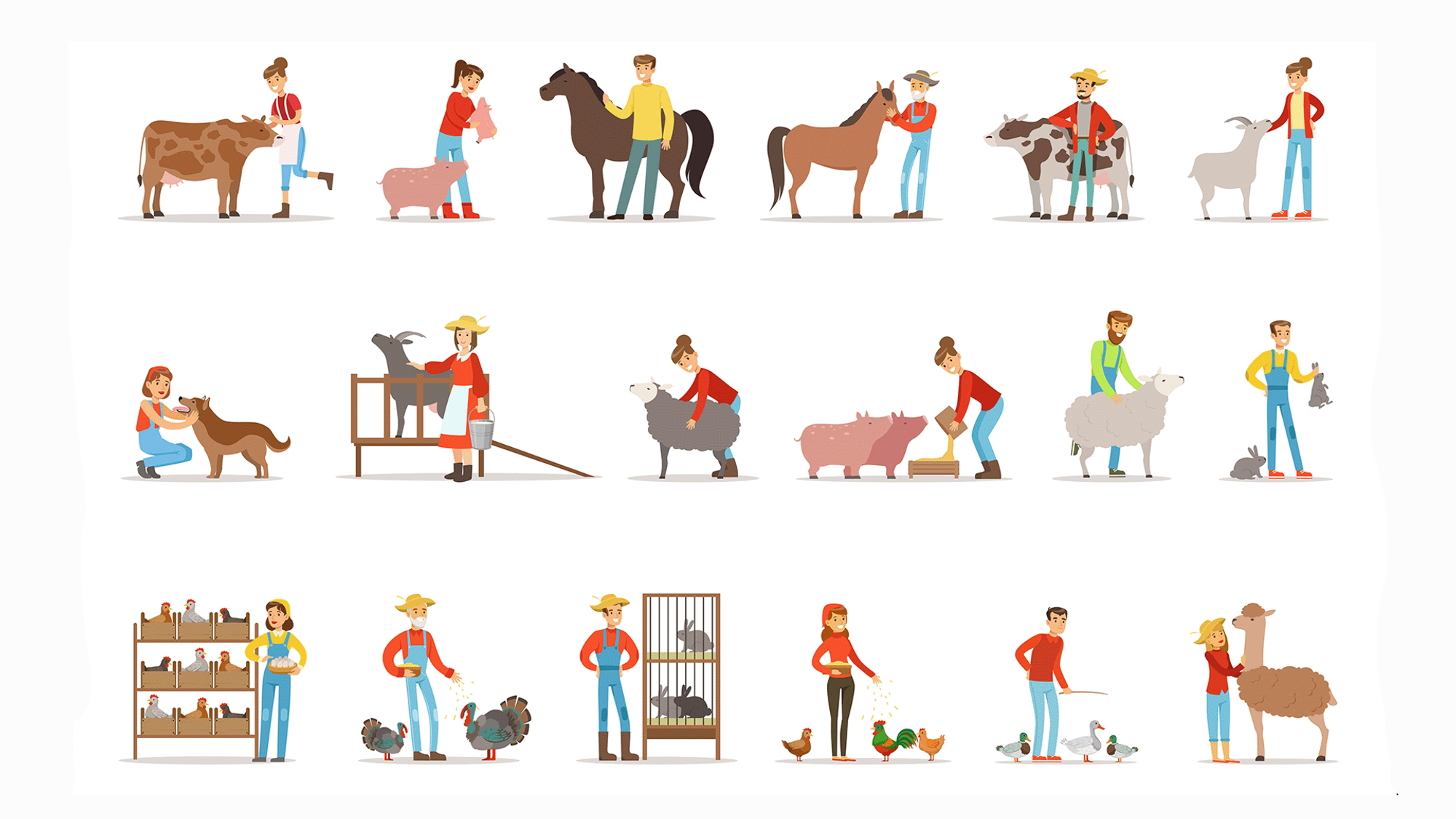
There are many reasons for the lack of interest in breeding the microbiome, not the least of which is a need for more understanding of the microbiome's critical role in human nutrition and health. Another reason is being distracted by another group of microbes that play a significant role in health but a much lesser role in nutrition. Therefore, the first step is to establish which population of microbes we want to breed.
The Bioreactor Is Not The Colon.
Microbes exist and undertake critical health functions throughout the digestive tract, from the mouth, esophagus, stomach, and small and large intestines to the anus. However, only some of these health functions are critical to nutrition. Also, not all critical nutritional functions in the digestive tract depend on microbes. In the lesson Meet Your New Critical Organ, The Bioreactor, we will discuss this in detail. Here, we will focus on the two significant populations of microbes in the gut: those in the bioreactor (or small intestine) and the colon (or large intestine).
Whenever there is a breakthrough in health understanding, there is a tremendous rush to monetize those new findings. Sometimes, in the rush, we get it wrong. Nowhere is this truer than in attempts to sell knowledge, products, and services to breed an optimal microbiome population. The core of this misunderstanding is failing to distinguish between the bioreactor and the colon, and between a health condition and nutrition.
There is a direct relationship between the size of any living population and the size of their living environment. Population sizes naturally grow larger in larger, suitable environments with sufficient nutrition. The bioreactor, on average, is 22+ feet (6.7+ meters) long and has 400+ square feet (37+ square meters) of surface area. The colon is, on average, 3+ feet long (0.9+ meters) and has over 40+ square feet (3.7+ square meters) of surface area. The colon has roughly 1/10th the area of the bioreactor. Therefore, it follows that Dr. Michael Gershon's book, The Second Brain, describes that 95% of the nutritional activity of the microbiome takes place in the bioreactor and 5% in the colon.
Yet, the colon gets all the attention. The understandings based on the microbiome in the colon are often assumed to apply to the entire gut microbiome, including the bioreactor. However, there are important differences in their basic designs and functions. The bioreactor's primary function is to provide nutrition. The colon's primary function is to keep you from being eaten by predators or being abandoned by your neighbors.
Without the colon, humans would leave a waste trail that every predator throughout evolution could easily follow. The colon evolved to give humans control over when and where they deposited their nutrition waste products. Also, removing fluids from the waste is an integral part of this function. Since conditioning nutritional wastes is a core function, this waste contains high concentrations of microbes. These colon microbes are relatively easy to recover and cultivate in a lab for study.
As discussed in If It's Not Protein Or Fat, It's Sugar, microbe species' distribution varies over the bioreactor ecosystem's entire length. The colon represents only the very end of this ecosystem. Therefore, the easily recoverable microbes from nutrition waste represent only a tiny sample of the entire microbiome. However, being easy to recover and cultivate is not the only reason nutrition focuses on the colon.
The microbiome is critical not only to nutrition but also to health. Colon dysfunction manifests through several severe health problems, such as abdominal pain, cramping, bloating, gas, diarrhea, and constipation.
The bioreactor can also cause health problems. Still, they are not as common as colon health problems. Even before it reaches the level of disease, we are much more aware of health issues with the colon because abdominal pain, cramping, bloating, gas, diarrhea, and constipation of unknown origin are widespread.
As a result, science and commerce focus heavily on colon microbes and colon conditions. However, this should not be confused with nutrition or efforts to avoid or reverse metabolic syndrome, obesity, and metabolic disease. It's funny how the commercial sector doesn't seem to make much effort to clarify this issue.
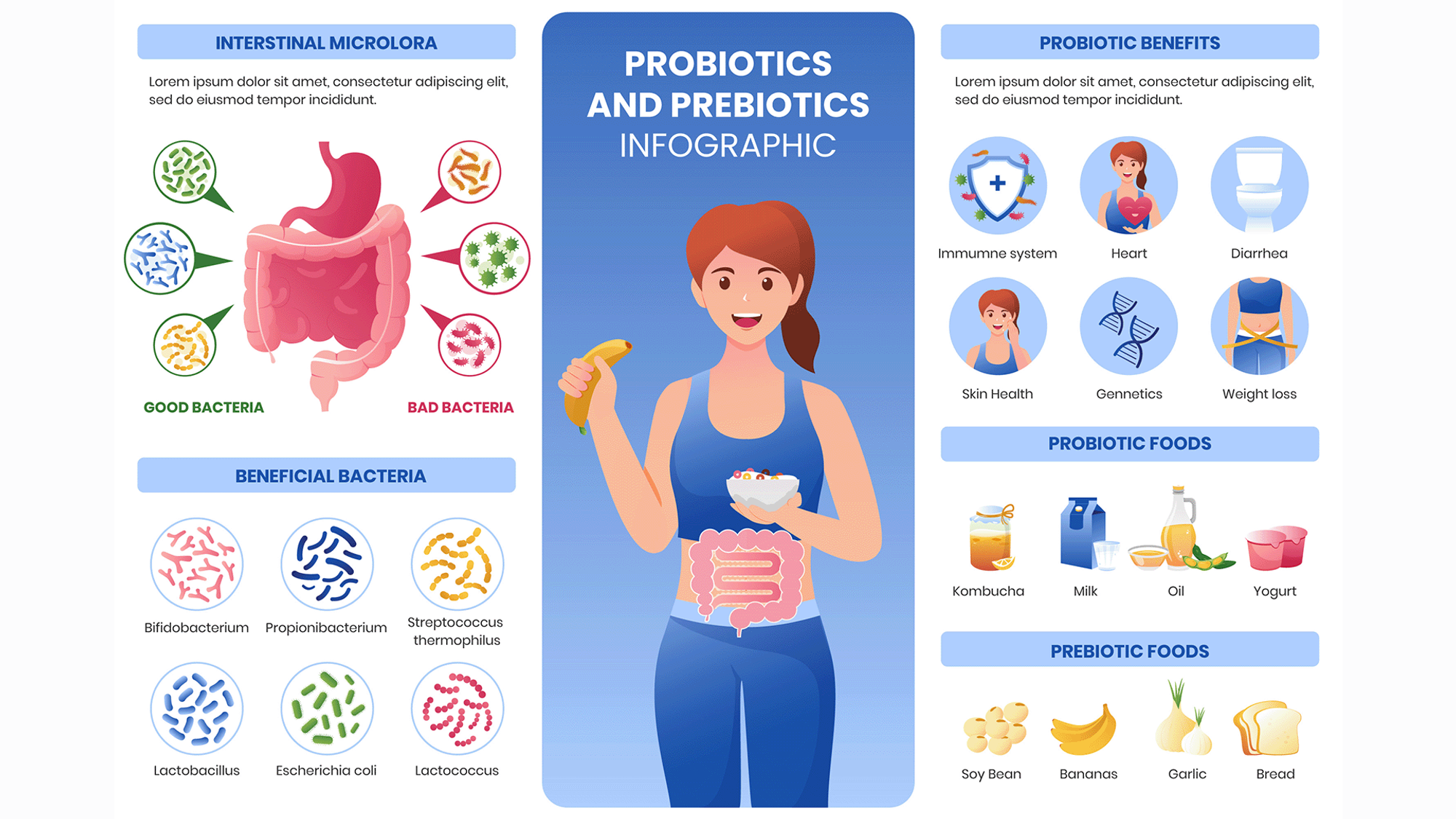
Unfortunately, this confusion is precisely driving many nutritional recommendations and products. The majority of these products are probiotics and prebiotics. A probiotic is a particular microbe species that, if taken, has the potential to come back to life and live in the gut. A prebiotic is the preferred food of a particular microbe you want to encourage growth in your gut.
Most nutritional recommendations and products regarding fiber, probiotics, and prebiotics are driven by colon health, which may be perfectly appropriate for a colon health problem. But if you have a weight or metabolic problem, breeding, feeding, and treating the colon microbes will have little impact.
In The Beginning.
Unfortunately, breeding, feeding, and treating the microbes of the bioreactor involves much greater uncertainty. We know much less about bioreactor microbes for several reasons, the most significant of which is that there are many species with exponentially greater diversity. Also, the nutrients available in the colon are much less complex, having already been processed by the bioreactor.
Further, many microbes of the bioreactor do not interact as directly with the waste and fluids as they do in the colon. Most bioreactor microbes are embedded deep in the mucus and tissue of the bioreactor membrane wall. As a result, many cannot be recovered from waste. If scientists want to study bioreactor microbes, they must do a biopsy to recover them from the bioreactor membrane mucus and wall tissue.
Also, it is challenging to reproduce the bioreactor's microbe's environment of being embedded in mucus and tissue in the lab. As a result, it is very difficult to cultivate the bioreactor microbes in the lab. You must cultivate a microbe in the lab to determine its environmental and nutritional needs. Without this detailed lab information, scientists and manufacturers cannot produce these microbes in quantity for probiotics.
They also can't optimize their nutrition to create prebiotic supplements. They also cannot tell you what foods you can eat to support a particular microbe that might be missing in action from your microbiome. Even if you could develop a probiotic that adds a particular microbe or a prebiotic that is a favorite food of a microbe, it is difficult to get those into the mucus and wall membrane tissue. As discussed in the lesson Meet Your Essential Organ, The Bioreactor uses a process very different from floating downstream to move the microbes into the mucus and membrane tissue.
Progress with the Human Microbiome Project will eventually provide this information, and commerce will eventually develop delivery mechanisms. But they are not available today and are not likely to be developed soon. The bottom line is if you have a colon health problem, probiotics and prebiotics may help. But if you want to avoid or reverse metabolic syndrome, obesity, and metabolic disease, it's too soon to believe probiotics and prebiotics are effective, with the possible exception of Brewer's Yeast (S. Boulardii), as discussed in If It's Not Protein Or Fat, It's Sugar.
Care And Feeding Of Your Little Friends.
So, what can we do to encourage the growth of microbes that avoid and reverse metabolic syndrome, obesity, and metabolic disease? It begins with realizing you influence the populations of life by affecting their nutrition. Living organisms increase in number and thrive with ample supplies of their favored nutrition. That is where the saying, you breed what you feed, comes from.
When planning nutrition around the microbiome, it's critical to realize we are not trying to feed a particular microbe; we are trying to feed an ecosystem. Each food molecule is a nutrition to a particular microbe, making other molecules slightly less complex and creating nutrition for another species in the ecosystem. Further, if a microbe flourishes, it takes nutrients from another microbe. If a microbe struggles, it does not produce the nutrients for another microbe.
With thousands of species, each in its own microenvironment within the vertical and horizontal zones of the bioreactor, consuming incalculable combinations and permutations of nutrition molecules, fine-tuning nutrition for a healthy microbiome is a monumental challenge, especially given that we are at the very early stages of the Human Microbiome Project.
Nevertheless, the more you learn about the importance of the microbiome, the more people are trying to sell you on taking action to improve your microbiome. The majority of these efforts focus on selling probiotics and prebiotics.
The top scientists (not the doctors on YouTube) in microbiome research generally do not encourage probiotics and prebiotics for metabolic syndrome, obesity, and metabolic disease. Again, we are not referring to colon health and treatments here. Everything we discuss here does not apply to conditions where disease or damage has severely disrupted the microbiome and you are under a doctor's care.
If you take a probiotic, it is unlikely to get into the right environment to thrive in the bioreactor. If it does, too little is known about how favoring this microbe will affect other microbes. The same is true of prebiotics. The limitations of probiotics and prebiotics will become even more apparent in the lesson Meet Your New Critical Organ, The Bioreactor.
Until science catches up, the best strategy is to stop damaging the microbiome and create the environment and nutrition most likely to encourage the natural healing of the microbiome.
The best source for the microbes in the bioreactor is the natural environment. Every microbe in the healthy gut got there through everyday living. These microbes are likely constantly entering the bioreactor. The problem is not likely the need for an inoculation from a probiotic. The problem is better addressed by avoiding what harms the microbes, upsetting the balance in the bioreactor ecosystem.
Beyond the harm caused by excess complex sugars, preservatives, and additives in factory food, which act like prebiotics for some microbes and are toxic to others, antibiotics are the next major threat to the microbiome. Antibiotics are exactly what their name says they are: microbe killers. Antibiotics rule at a time when doctors and most people believe all microbes are bad. But now that we know humans are a symbiotic lifeform completely dependent on microbes, we need to take a new look at antibiotics.
Unfortunately, antibiotic use continues to accelerate, not only in medicine but in the factory food supply. Disease and infection risk may mandate the occasional use of antibiotics. Still, there is never a need for them in our chicken, meat, dairy, and other products solely to increase the productivity of factory food.
Preservatives and antibiotics are specifically designed to harm microbes; avoid them whenever possible. Remember from earlier lessons that preservatives and antibiotics are tested for food safety to human cells but are not tested for harm to the microbiome. They can't be since the Human Microbiome Project has yet to identify most of them.
You can also stop damaging your bioreactor and microbiome by allowing it to rest and recover. All lifeforms generally follow a 5Rs cycle of response, rest, repair, recovery, and repeat. Respond means they do something in response to a need, often presented by the environment, like finding food, or genetics, like reproduction. After responding, most life rests, which means stopping the response. Once rest takes hold, life repairs any wear and tear caused by the response. Recovery is preparing for the next response, typically by building up the energy and chemistry needed. Finally, repeat is just what it says, responding all over again.
It is easy to see life's 5Rs cycle in action all around us. So why do we think the microbes in the bioreactor are different? By snacking all day and eating late into the night, we are almost entirely disrupting the 5R cycle of our microbiome. Any lifeform is eventually harmed if chronically unable to operate according to the 5Rs.
Diversity Is Good.
While fine-tuning nutrition to specific microbe needs in the bioreactor is in the future, one thing is evident from the research. Eating a diverse diet is consistently associated with a diverse microbiome, and a diverse microbiome is consistently associated with avoiding and reversing metabolic syndrome, obesity, and metabolic disease.
A diverse microbiome can process a much broader range of nutrition and produce a much broader range of biochemistry needed by the body. Therefore, diets focusing on a narrow range of food types are not well represented in the population with healthy microbiomes. It doesn't matter what food is focused on, only that there is not a lot of diversity in the foods. This makes some sense when you realize that every microbe has its favorite food. If you eat a lot of that food, you'll get a lot of that microbe. Hence, less diverse foods and less diverse microbes. Diverse microbes are associated with bioreactor health.
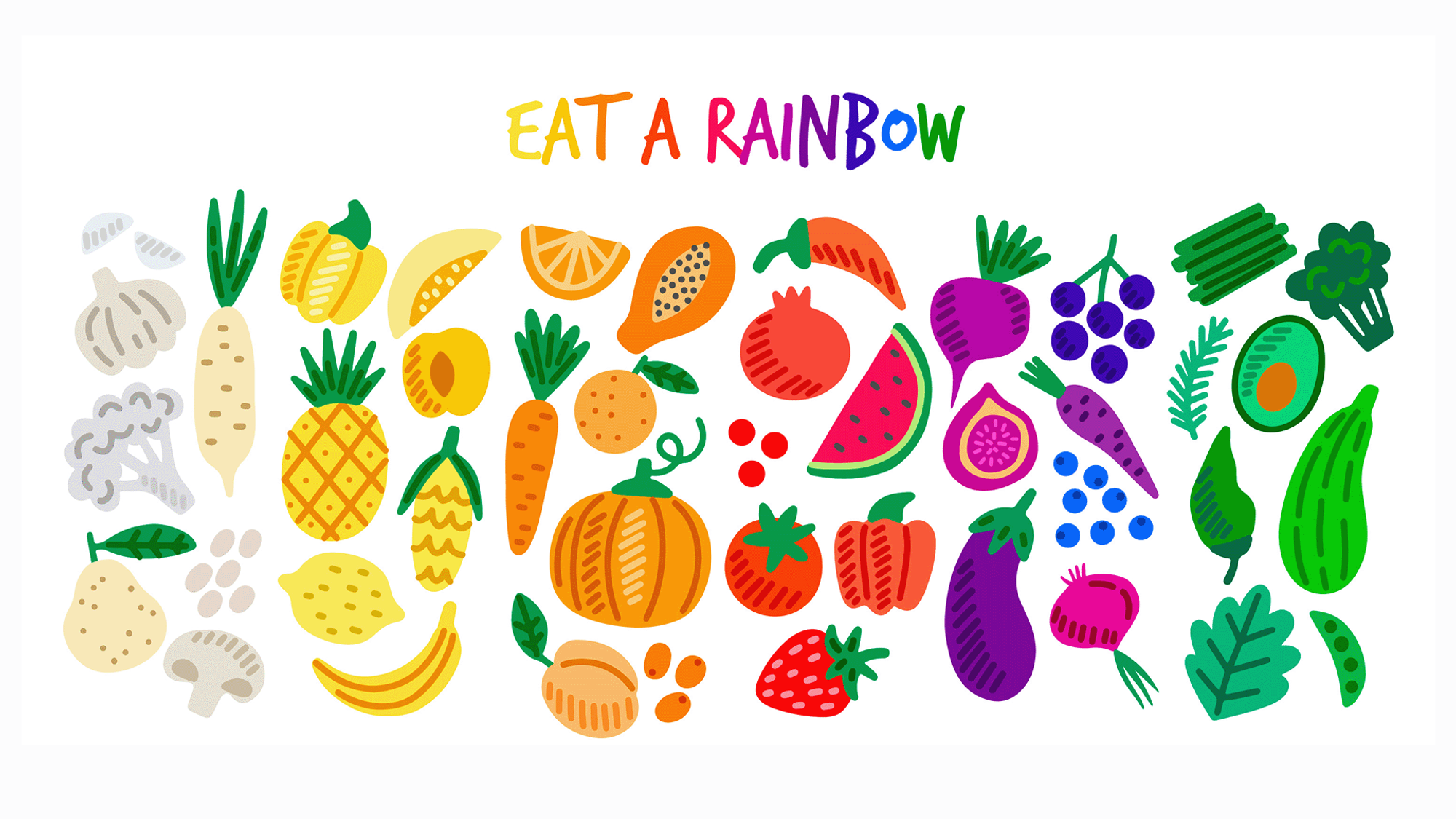
Many diets focused on particular foods can be effective for temporary weight loss. However, to avoid or reverse metabolic syndrome, obesity, and metabolic disease, the diet needed is based on diverse nutrients, not restricting one nutrient type or another.
If you eat a plant-based diet rich in fiber, you'll favor microbes that thrive on very complex sugar molecules. If you eat a sugar-rich diet, you'll favor microbes that thrive on very simple sugar molecules. If you favor a diet rich in meats and fats, you will favor microbes that don't depend on sugars. If you eat a factory food-rich diet, you won't favor any microbes. If you choose these diets for reasons other than nutrition, make them as diverse as possible within their food type.
Less Is More.
Like diversity in nutrition, science has consistently observed that calorie-restricted diets have health benefits, although it is unclear why. One reason the explanation is elusive is that the approach thus far has been to focus on what people eat when they're eating less.
However, the Nutrimatters model suggests that it's what they are not eating due to the fewer calories. If you're eating fewer calories, you're eating less of everything, including foods that breed the wrong microbes for good health and foods that harm microbes. You also eat less often, giving your microbes the time for the 5Rs.
Nutrimatters cites this scientific finding not to encourage reduced calorie diets but as another data point supporting that what you don’t eat might be more important than what you do eat. We do not support the Calories In Calories Out model as a foundation of permanent weight loss or avoiding and reversing metabolic syndrome, obesity, and metabolic disease. This is discussed in detail in the lesson Eating Bad Food Impacts More Than Eating Good.
Actionable Knowledge
- When planning nutrition around the microbiome, it's critical to realize we are not trying to feed a particular microbe; we are trying to feed an ecosystem. Each food molecule is a nutrition to a particular microbe, making other molecules slightly less complex and creating nutrition for another species in the ecosystem. Further, if a microbe flourishes, it takes nutrients from another microbe. If a microbe struggles, it does not produce the nutrients for another microbe.
- Most nutritional recommendations and products regarding fiber, probiotics, and prebiotics are driven by colon health, which may be perfectly appropriate for a colon health problem. But if you have a weight or metabolic problem, breeding, feeding, and treating the colon microbes will have little impact.
- Until science catches up, the best strategy is to stop damaging the microbiome and create the environment and nutrition most likely to encourage the natural healing of the microbiome. Many diets focused on particular foods can be effective for temporary weight loss. However, to avoid or reverse metabolic syndrome, obesity, and metabolic disease, the diet needed is based on diverse nutrients, not restricting one nutrient type or another.
- Like diversity in nutrition, science has consistently observed that calorie-restricted diets have health benefits, although it is unclear why. One reason the explanation is elusive is that the approach thus far has been to focus on what people eat when they're eating less. However, the Nutrimatters model suggests that it's what they are not eating due to the fewer calories. If you're eating fewer calories, you're eating less of everything, including foods that breed the wrong microbes for good health and foods that harm microbes.
Article Top Sponsors

 Donate to Help Improve Articles
 Last Updated 07.16.26 10:01 AM ET