
Top Sponsors of this Article
 Your Name - Your Organization Your Name - Your Organization Your Name - Your Organization Your Name - Your Organization
Table of Contents
Systemic inflammation, the root cause of many diseases, is the body attacking its own cells and can be caused by the gut.
Inflammation Conflagration.
Traditionally, human tissue becomes inflamed when damaged by injury, toxins, disease, and overwork or when interacting with the immune system. Inflammation is like obscene media. When Supreme Court Justice Potter Stewart was asked to describe his definition of obscenity in 1964, he responded in effect: I may not be able to define it, but I know it when I see it. It turns out to be enormously complex to define and describe inflammation, but everyone knows it when they see it.
Scientists are currently researching nearly 80 different types of inflammation, yet only a few are routinely monitored by a primary care doctor. There is not even complete agreement among scientists on what inflammation is on a cellular level. However, some consistently undesirable cellular consequences are associated with metabolic syndrome, obesity, and metabolic disease. These can be generally referred to as inflammation. We organize these undesirable cellular consequences into the following five types:
- Immunity Based
- Oxidative Stress Based
- Mitochondria Based
- Toxicity Based
- Hormone Based
Immunity Based.
This is when you become the infection. The body's immune system is designed to protect us from non-human organisms, such as viruses, germs, bacteria, and so on, by identifying, destroying, and removing these cells from the body, typically when they are found where they don't belong. But things can go very wrong, and the immune system starts attacking healthy human cells.
The human immune system is primarily organized into two systems: innate immunity and adaptive immunity. Innate immunity is always first on the scene and quickly assesses whether cells inside the body have non-human DNA or other indicators that they shouldn't be there.
So why doesn't the innate immune system attack the cells in the microbiome? Remember, as discussed in Meet Your Critical Organ, The Bioreactor, the microbiome, which is full of cells without human DNA, is technically not inside the body. Therefore, it is not monitored by the immune system.

The innate immune system is a quick, binary brute-force response that typically gets it right by attacking non-human cells and not attacking human cells. However, many harmful cells can fool the innate immune system and avoid attack even though they represent a danger.
The second line of defense is the adaptive immune system, which is much more sophisticated and usually lets very few harmful cells survive long inside the body. The adaptive system has two parts: one identifies and remembers, and the other attacks and destroys. Instead of DNA, the adaptive system uses proteins on the cell's surface to identify friend or foe. There are virtually unlimited combinations and permutations of proteins on a cell surface.
The adaptive immune system plays a role in metabolic syndrome, obesity, and metabolic disease. The part of the adaptive system that identifies and remembers mistakenly identifies human cells as harmful and remembers them as harmful. The attack and destroy part works as it always does, destroying what the other part of the system identified as harmful. So, what role do nutrition and the digestive system play in this mistaken identification? The answer? Plenty.
Harm Before The Harm.
Before discussing the harm to human cells erroneously attacked by the adaptive immune system, we note that simply activating the adaptive immune system has a role in metabolic syndrome, obesity, and metabolic disease.
Think back to the last time when you first started to suspect you were "coming down with something." You are not really sick yet, but you are low energy, achy all over, have a bit of brain fog, and feel a strong urge to be sedentary.
These symptoms are often the early signs of your adaptive immune system becoming more active and getting ready for a fight. They indicate that activating the adaptive immune system takes considerable energy and resources from the body's everyday routines. This activation can also significantly affect your desire for sugary foods and stimulants like caffeine.
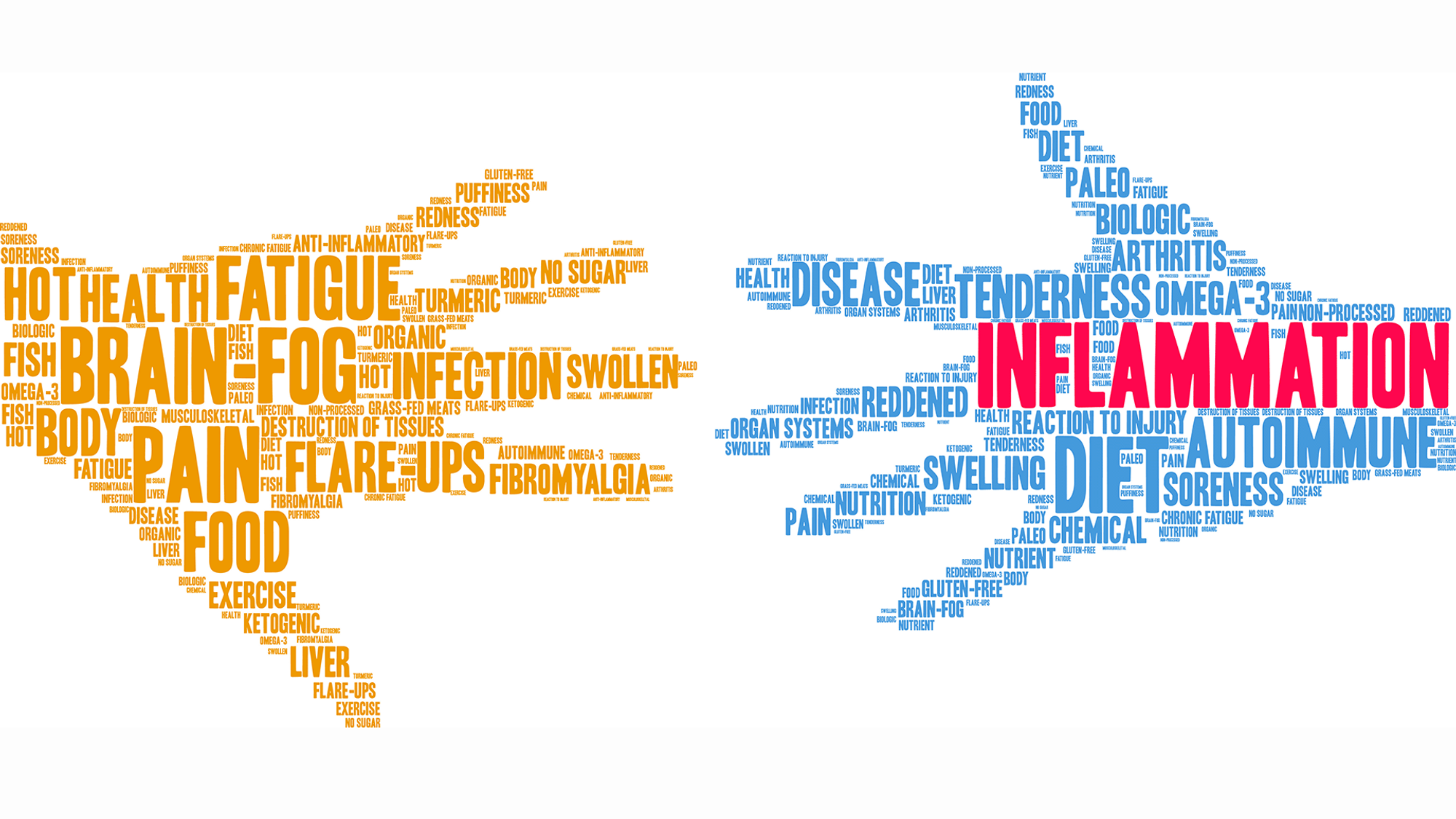
Typically, you get sicker over the next few days and become certain you are indeed coming down with something. After a while, you recover and are back to normal. This day or two of feeling low energy, achy all over, having a bit of brain fog, and having a strong urge to be sedentary is soon forgotten after recovering from the illness.
But what if you felt like you were coming down with something every day? It did not progress to a noticeable illness, but it didn't go away either. This feeling is when the adaptive immune system is chronically activated, not by invading harmful foreign cells but by the body's everyday functions running amok.
This chronic activation is where the immune system can significantly contribute to metabolic syndrome, obesity, and metabolic disease even before it has attacked tissue or caused inflammation. When you are low energy, achy all over, have a bit of brain fog, and feel a strong urge to be sedentary and eat sugary foods, you are severely disadvantaged in working to avoid and reverse metabolic syndrome, obesity, and metabolic disease.
The Perpetual Infection.
In most cases, a specific infection triggers a response by the innate and adaptive immune system that destroys the harmful cells, eliminating the threat. The innate and adaptive immune system then shuts down until a subsequent infection. But what if the infection never stops? You just keep getting infected and re-infected every day, continuously, and forever.
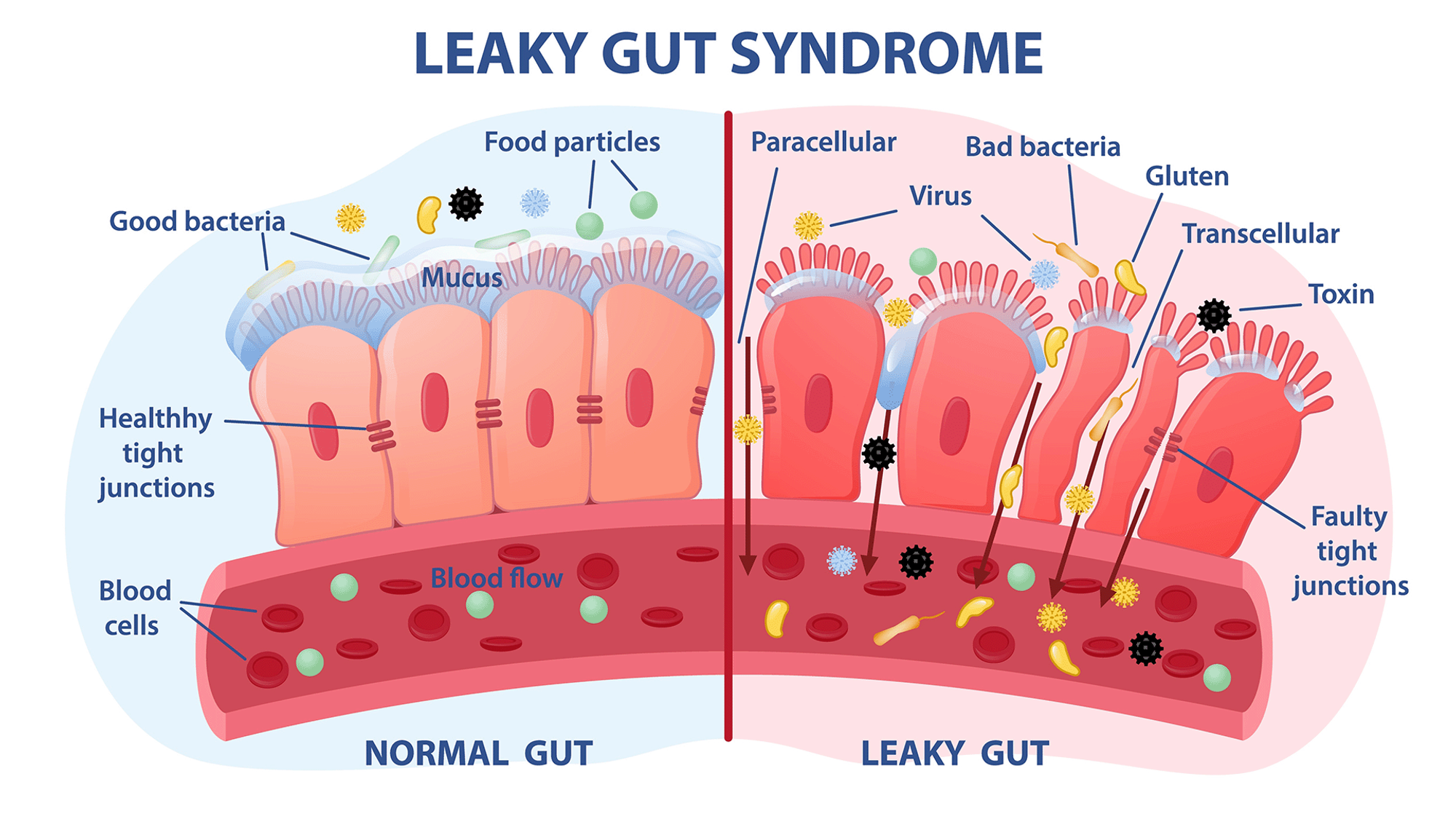
This ongoing condition is precisely what happens when the non-human cells of the microbiome leak from the bioreactor and colon into the abdominal cavity. The outside of the body gets inside. Scientists call this microbiota and gut fluid translocation. More often, it is just called leaky gut syndrome.
In the case of leaky gut syndrome, the innate and adaptive immune systems are precisely doing what they are designed to do: attacking and destroying non-human cells found inside the body where they don't belong. And if this were happening occasionally, like most infections, this would not be a severe problem.

However, once the mucus layer and wall membrane of the bioreactor and colon are compromised, the leaking becomes ongoing and perpetual. This is where the real trouble starts. Again, the immune system is always activated, and you constantly have low energy, are achy all over, have a bit of brain fog, and feel a strong urge to be sedentary. This reaction would be bad enough, but something far worse eventually happens.
In the early stages of a leaky gut, the innate immune system primarily attacks the clearly non-human cells that don't belong outside the gut. This attack can consume a lot of energy but at least is focused on a relatively small number of non-human cells.
However, with all the non-human cells squeezing through the human cells of the bioreactor and colon wall, the adaptive immune system eventually gets involved because of the direct contact of human and non-human cells. One theory is that this contact transfers some of the proteins used to identify friend or foe. It starts mistaking human cells as foreign invaders. This mistaken identification is where really hard-to-fix problems arise.
Most of these human cells caught in the crossfire are skin cells that exist throughout the body. Remember that the adaptive immune system has two parts: the part that identifies and remembers and the part that attacks and destroys. This memory is why immunity against many diseases lasts long, often a lifetime. The real problems come from this very long memory.
But when this system makes a mistake and starts attacking a critical human cell type such as skin cells, the fact that it will not soon forget nor stop activating the attack and destroy part is a huge problem. Once this happens, improving your nutrition, fixing your leaky gut, and doing everything else right regarding metabolic syndrome, obesity, and metabolic disease may have little effect on improving your condition.
This mistake is why many intestinal diseases, such as Crohn's and Celiac disease, are so challenging to treat. Even if you eliminate the original cause, the adaptive immune system is now targeting human cells; the body keeps attacking and destroying the human cells of the intestines.
The current primary treatment methods weaken the overall immune system, which affects the whole body, and improve the diet and microbiome in the hope that the leaks will stop. No one knows how long the immune system will remember that human cells are a threat. However, understanding the general immune system suggests that the longer a human cell is attacked as harmful, the longer it will be remembered. That's why you can never act too soon to fix a leaky gut.
This attack begins long before observing the symptoms of Crohn's, Celiac disease, and the like. The early symptoms are continuous, long-term low energy, achiness, brain fog, and a strong urge to be sedentary, eat sugary foods, and put on weight, as discussed earlier. If these symptoms come and go, particularly if followed by actual illness, they are more likely to be regular infections.
Unfortunately, if these symptoms persist without being followed by noticeable illness, they are too often dismissed as a character issue or caused by stress, overwork, and stress eating.
We need to recognize these are early symptoms of metabolic syndrome, obesity, and metabolic disease and take action before the adaptive immune system identifies human cells for destruction and removal.
Oxidative Stress Based.
Cells are not only harmed by erroneous immune system attacks, but the chemistry of food digestion also harms them. In If It's Not Protein Or Fat, It's Sugar, we explained how the hydrolysis of carbohydrates creates a chemistry that damages cells.
Breaking down sugars creates oxygen atoms with unpaired electrons that want to recombine with carbon and hydrogen atoms, which are often found in tissues. Recombining with oxygen often damages the tissues. This tissue damage is called oxidative stress.
You may already be familiar with another kind of oxidative stress that occurs with metals containing iron, called rust. Oxygen atoms with unpaired electrons pull iron atoms out of metals, damaging the metal and forming rust. Oxidative stress in the body is the same; only carbon and hydrogen come from the tissue instead of iron from the metal.

Dealing with this oxidative stress tissue damage involves another primary human system that, like the immune system, takes a lot of energy to engage and operate. The human body has a whole regenerative process dedicated to identifying the timing for replacing human cells due to normal end-of-life, poor performance, disease, or damage like oxidative stress.
Like the immune system, this regenerative system is a two-step process of identifying a cell for replacement and then a separate process to destroy and remove the cell. Unlike immunity, the identifying part of regeneration does not have a memory. Instead, the condition of cells is assessed continuously, making this system more accessible to fix. Scientists call these steps senescence and autophagy. Senescence essentially identifies a cell that needs replacing. Autophagy essentially carries out the destruction and removal of that cell.
The regenerative system is similar to the immune system, where excessive and long-term activation of this system due to nutrition-caused oxidative stress can trigger low energy, aches all over, brain fog, and a strong urge to be sedentary and eating sugary foods, ultimately leading to metabolic syndrome, obesity, and metabolic disease.
Mitochondrial Based.
By now, you have no doubt heard that the mitochondria are the power center of human cells. But did you know that a billion years ago, the mitochondria were actually separate bacteria that "infected" human cells? Even today, the mitochondria are part of almost every human cell but do not contain human DNA. They are a separate organism that long ago merged into human cells and operates as a mini-organ that scientists call organelles.
This background is useful for helping you think of the mitochondria as an organ that needs to be kept healthy, just like the heart, liver, and kidneys, albeit at a much smaller scale. As discussed in Your Cells Don't Have A Mouth, if too much glucose enters the cells, it can harm the mitochondria.
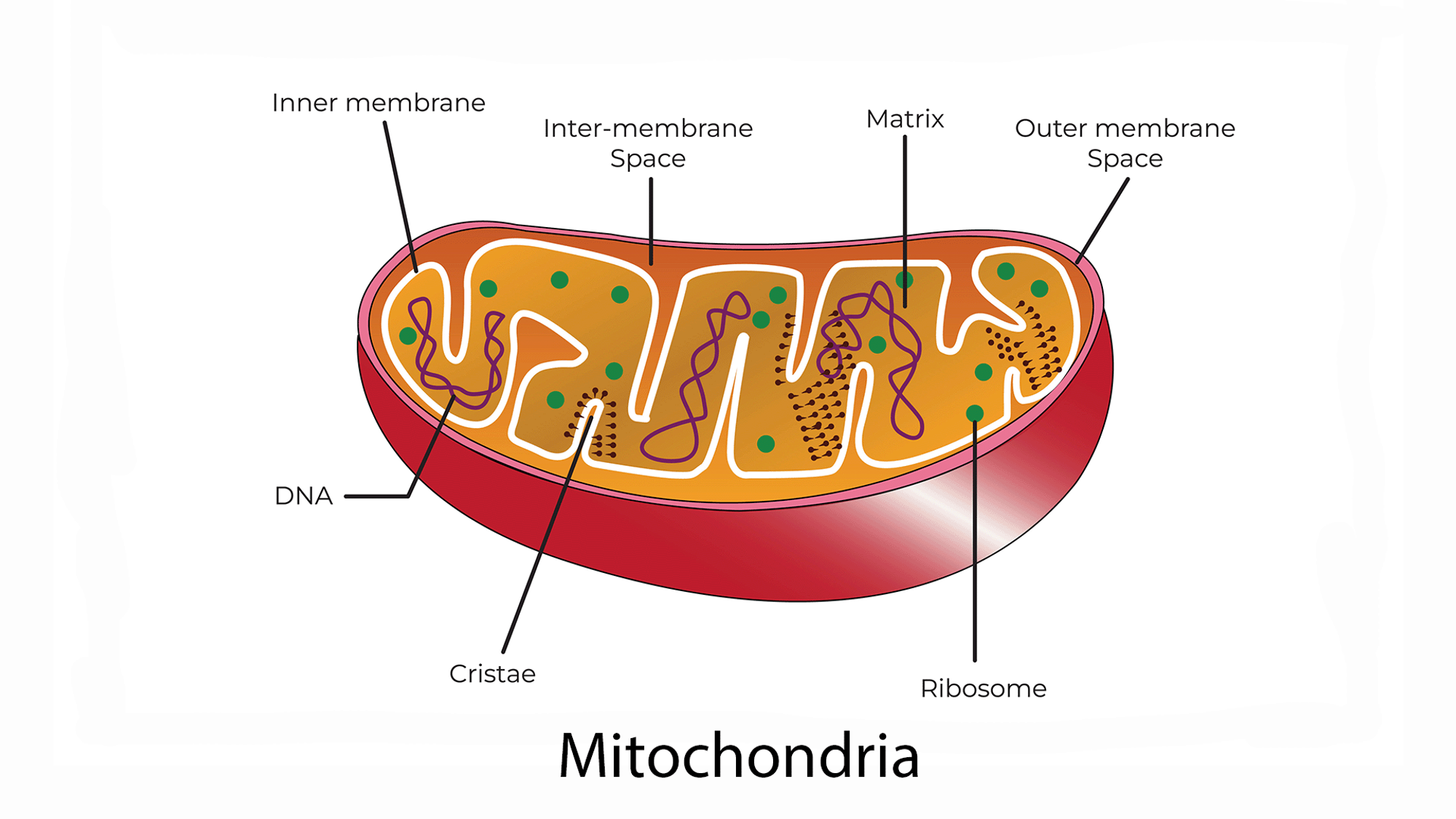
A cell with damaged mitochondria caused by nutrition can trigger the regenerative system with the aforementioned consequences. It can also simply reduce the cell's efficiency and productivity. Again, these can trigger low energy, achy all over, a bit of brain fog, and a strong urge to be sedentary and eat sugary foods, ultimately leading to metabolic syndrome, obesity, and metabolic disease.
Toxicity Based.
Toxins taken into the body also damage cells. Many everyday foods are threshold toxins, safe to a certain level but toxic when consumed above that level. The currently most clearly understood example of a food threshold toxin is fructose sugar. Fructose is the primary sugar in fruit, but it is also roughly half of sucrose (table sugar) and half of the honey and maple syrup.
Like all sugars, fructose is primarily processed in the digestive system through enzymatic, acidic, and microbial hydrolysis, as discussed in If It's Not Protein Or Fat, It's Sugar. But if more fructose is eaten than can be hydrolyzed by the digestive system; the remaining fructose is passed along to the liver and is stored in the liver as fat.
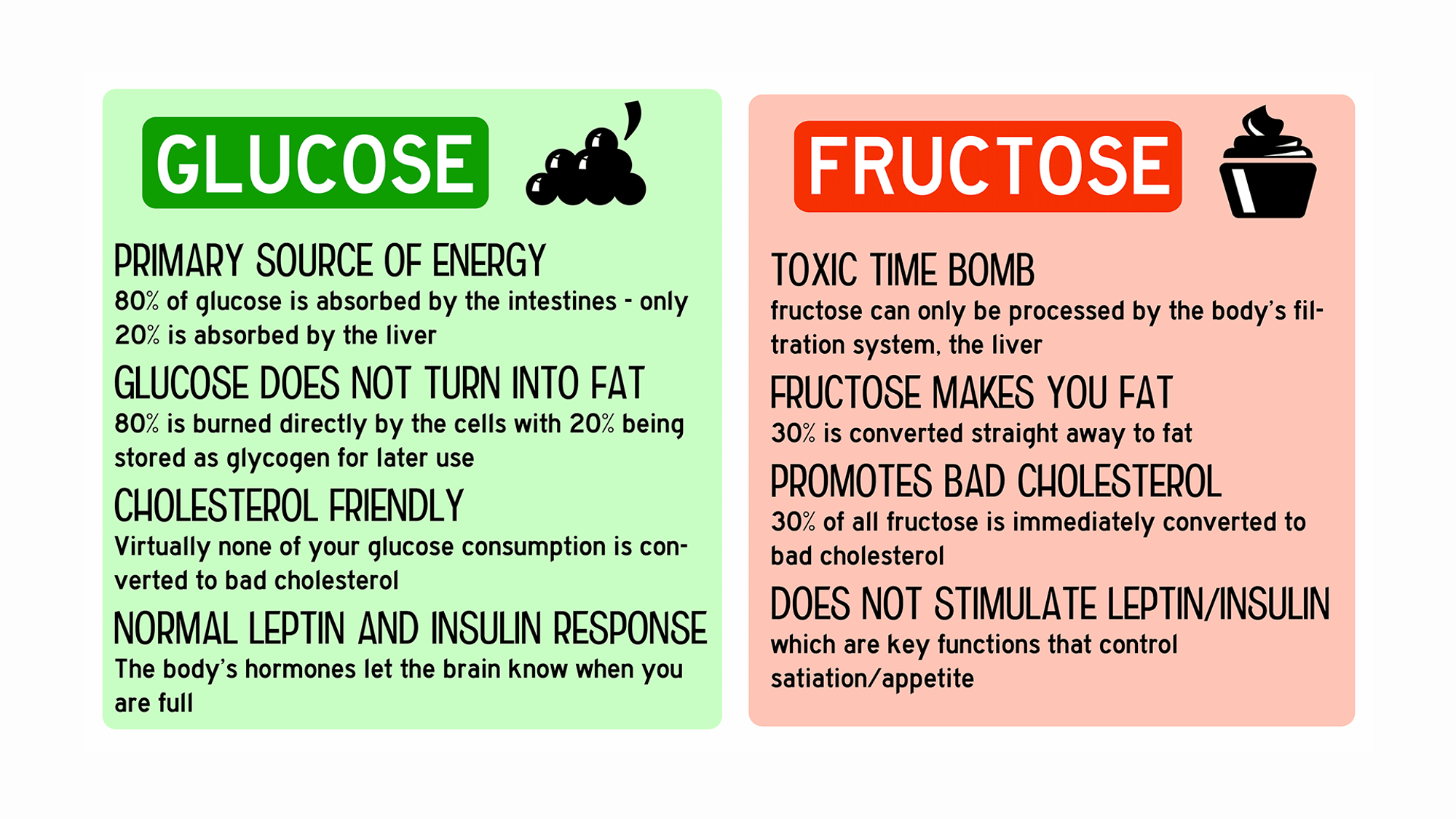
Since the liver is in a bag-like membrane with limited expansion potential, the fat cells eventually begin to replace the liver cells. These liver cells do the liver's primary job of removing waste from the blood supply. The liver cells also produce much of the body's critical biochemistry, including regulating insulin and critical lipids such as LDL cholesterol. Every liver cell replaced by a fat cell represents a loss of these critical functions. This topic will be covered in greater detail in It's About the Liver... Stupid!
We're mentioning the liver here because a reduction in the liver's ability to remove waste from the blood damages cells throughout the body, much like oxidative stress, ramping up the regenerative system. Once again, it contributes to triggering low energy, achy all over, a bit of brain fog, and a strong urge to be sedentary and eat sugary foods, ultimately leading to metabolic syndrome, obesity, and metabolic disease.
Further, there is increasing suspicion that many complex high-molecular-weight sugars, such as emulsifiers, thickeners, flavor enhancers, and additives, are also threshold toxins similar to fructose. There are also suspicions that these act as favored nutrients to harmful microbes that produce harmful biochemicals. However, we'll have to wait until the Human Microbiome Project is complete to know more.
Hormone Based.
The human body naturally produces hormones that both increase and decrease inflammation. The goal is to balance the inflammatory hormones with the anti-inflammatory hormones. Armed with Nutrimatters Actionable Knowledge, you can take action to regulate this balance.
Only a few years ago, scientists discovered that human fat cells excrete an inflammatory hormone. Scientists call these inflammatory hormones adipokines. While many people concentrated on the aesthetic implications of adding fat cells and filling them up, they only recently realized that these fat cells are a significant cause of systemic inflammation.
The amount of inflammatory hormone secretion by fat cells is so significant that scientists are considering reclassifying body fat as a hormone-generating organ like the pancreas, thyroid, and adrenal gland. Fat cells produce these inflammatory hormones 24/7.
Even more recently, scientists discovered that muscle cells also excrete hormones, but these are anti-inflammatory. Scientists call these anti-inflammatory hormones myokines. Unfortunately, muscle cells only produce anti-inflammatory hormones when muscles are activated.
It is not new that exercise leads to better health, but now we know why. When we exercise, we activate the muscles to produce anti-inflammatory hormones that neutralize the inflammatory hormones produced by body fat. Of course, when the aforementioned inflammatory processes described earlier make a person sedentary, the inflammatory hormones from body fat can damage cells unchecked.

The good news is that it doesn't take much exercise for the muscles to make these anti-inflammatory hormones. There are many good reasons to exercise actively, but less can be more when it comes to inflammation.
The activity requires muscle activation, such as standing or simple weight-bearing movement, for anti-inflammatory benefits. The challenge is keeping anti-inflammatory hormones from muscle activation steady throughout the day to balance the steady production of inflammatory hormones made by body fat.
Therefore, it is better to work at a standup desk or be weight-bearing for 15 minutes every hour throughout the day than to sit all day but run at the end of the day. These new findings are the foundation of the Nutrimatters SitNix™ program.
Inflammation, Here, There, Everywhere.
Threshold toxins in nutrition, bioreactor dysfunction, dysbiosis, and inactivity harm the body by hijacking five systems of the body that are otherwise essential to good health. It begins to become clear why metabolic syndrome, obesity, and metabolic disease are so complex to avoid and reverse in modern living. That's why Dr. Robert Lustig estimates over 80% of Americans are somewhere on the spectrum of metabolic syndrome, obesity, and metabolic disease.
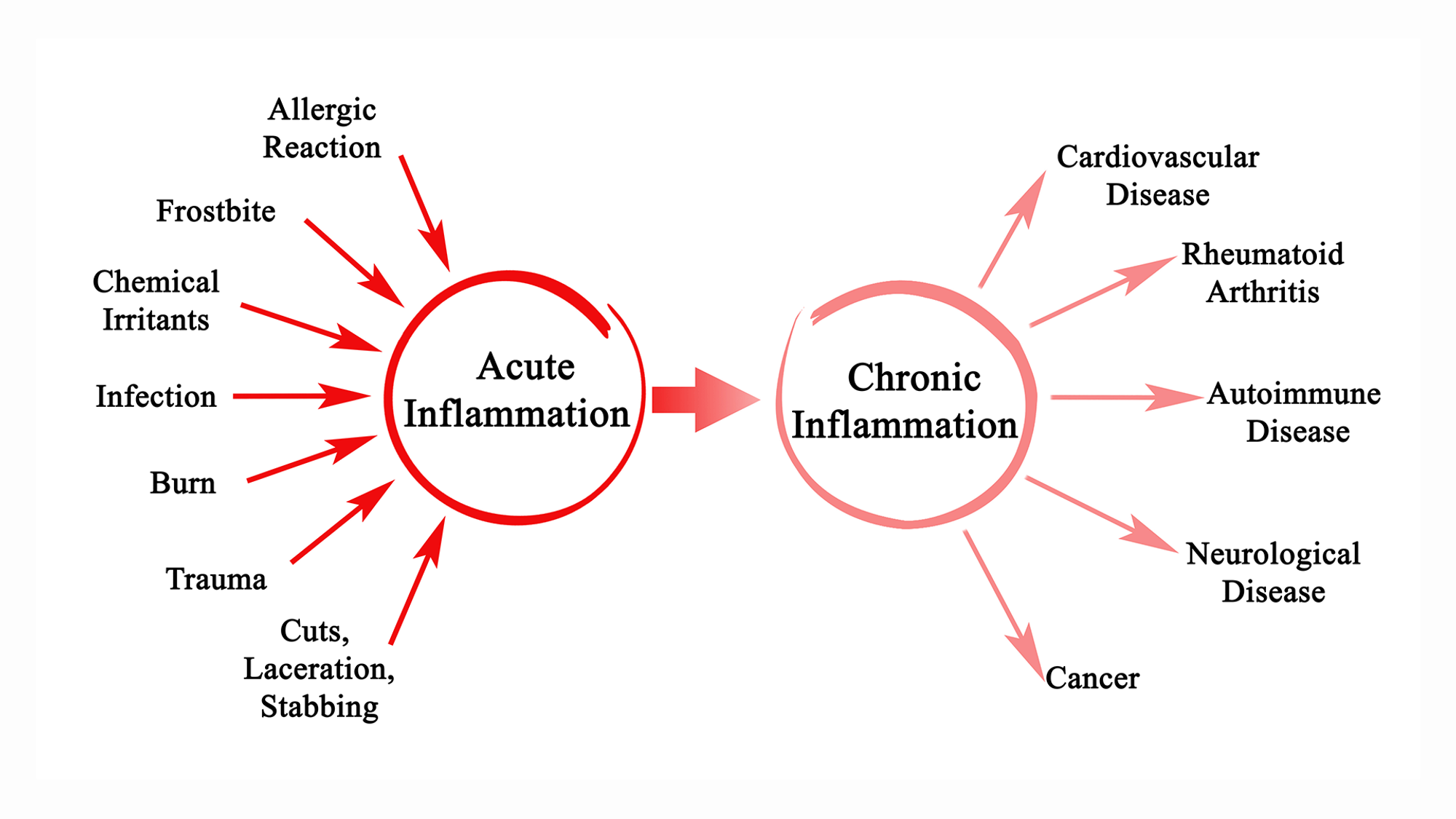
The most effective tool is awareness. Once you realize what's going on and why, you can take specific actions to stop inflammation from hijacking these systems. That's why we call this Actionable Knowledge, which is discussed in detail in the Nutrimatters 6by6Living™, SnackNix™, SitNix™, and TrustedEating™ programs.
Actionable Knowledge
- Scientists are currently researching nearly 80 different types of inflammation, yet only a few are routinely monitored by a primary care doctor. There is not even complete agreement among scientists on what inflammation is on a cellular level. However, some consistently undesirable cellular consequences are associated with metabolic syndrome, obesity, and metabolic disease. These can be generally referred to as inflammation. We organize these undesirable cellular consequences into the following five types:
- Immunity Based
- Oxidative Stress Based
- Mitochondria Based
- Toxicity Based
- Hormone Based
- This chronic activation is where the immune system can significantly contribute to metabolic syndrome, obesity, and metabolic disease even before it has attacked tissue or caused inflammation. When you are low energy, achy all over, have a bit of brain fog, and feel a strong urge to be sedentary and eat sugary foods, you are severely disadvantaged in working to avoid and reverse metabolic syndrome, obesity, and metabolic disease.
- In the early stages of a leaky gut, the innate immune system primarily attacks the clearly non-human cells that don't belong outside the gut. This attack can consume a lot of energy, but at least it is highly localized and only happens in one area of the body. However, with all the non-human cells squeezing through the human cells of the bioreactor and colon wall, the adaptive immune system eventually gets involved because of the direct contact of human and non-human cells. One theory is that this contact transfers some of the proteins used to identify friend or foe. It starts mistaking human cells as foreign invaders. This mistaken identification is where really hard-to-fix problems arise.
- Threshold toxins in nutrition, bioreactor dysfunction, dysbiosis, and inactivity harm the body by hijacking five systems of the body that are otherwise essential to good health. It begins to become clear why metabolic syndrome, obesity, and metabolic disease are so complex to avoid and reverse in modern living. That's why Dr. Robert Lustig estimates over 80% of Americans are somewhere on the spectrum of metabolic syndrome, obesity, and metabolic disease.
Article Top Sponsors

 Donate to Help Improve Articles
 Last Updated 07.16.26 10:00 AM ET