Top Sponsors of this Article
 Your Name - Your Organization Your Name - Your Organization Your Name - Your Organization Your Name - Your Organization
Table of Contents
The digestive system is thought of as a waste system where nutrients soak into the body. NOT!
Nutrition's Galileo Moment.
Nutrition is having a "Galileo Moment." Until the middle of the 16th Century, the widespread official view was that the Earth was at the center of the solar system. Meanwhile, back on Earth, the armies had a new invention called the telescope, which helped them see what the enemy was doing. Galileo's idea was to point the new telescope toward the heavens and see if he could verify Copernicus's new idea that the sun, not the Earth, was the center of the solar system.
Now, watching the movements of the heavens through the new telescope, Galileo could see that Copernicus' theory was, in fact, correct, that the sun was the center of the solar system, not the earth. Galileo's discovery changed everything and was considered so disruptive that he spent the remainder of his life under house arrest.

Until very recently, it was believed that the brain was the center of the nutrition universe. Avoiding metabolic syndrome, obesity, and metabolic disease was based on the brain's willpower, discipline, attraction, vanity, ability to count calories, and so on…
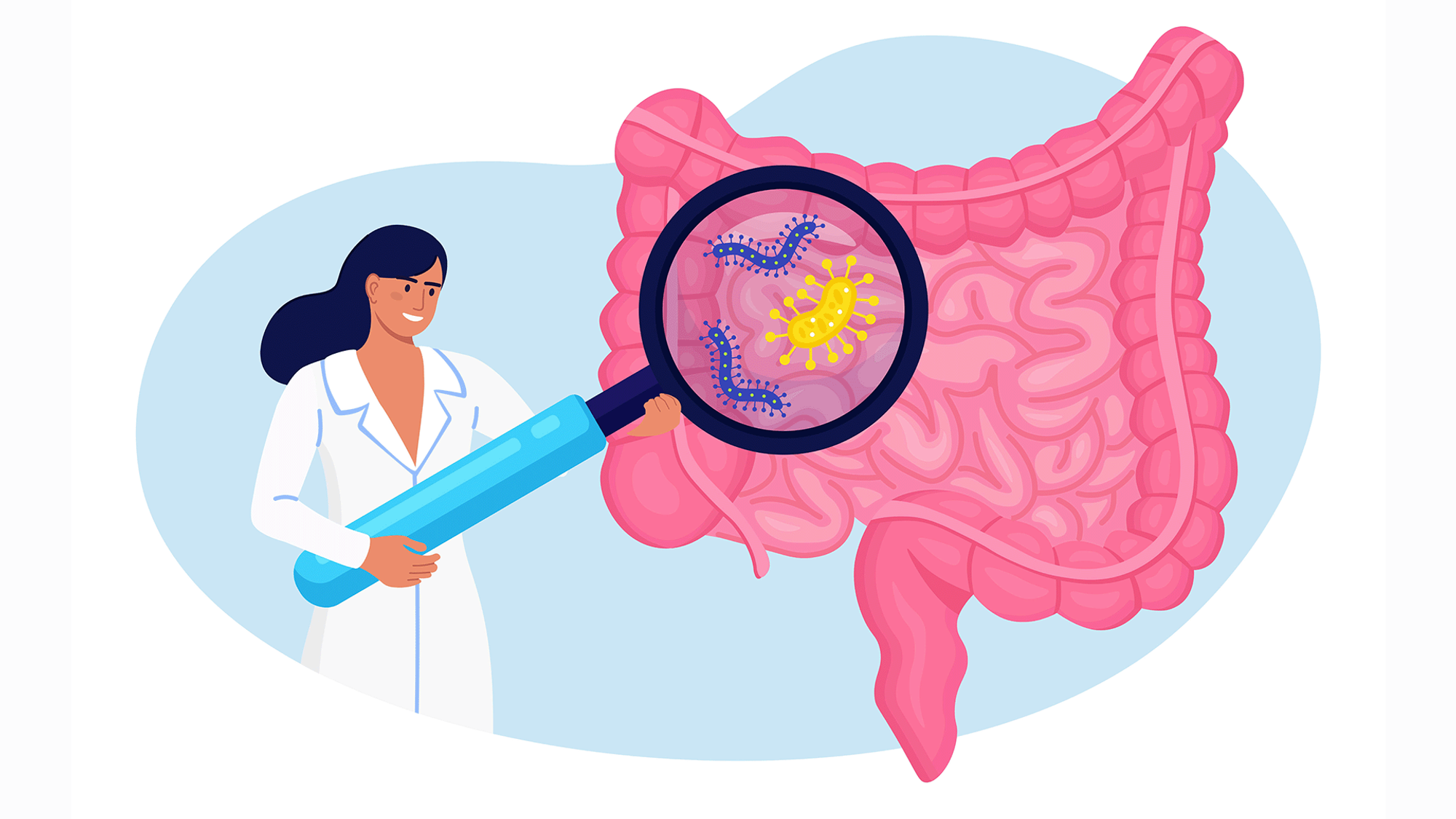
But now we know the small intestine and its microbes are the center of the nutrition universe. With its long length and impressive surface area, thousands of different species of metabolically active microbes, and a trillion of microbe cells outnumbering human cells, the small intestine is a sophisticated bioreactor that drives virtually all of the body's nutrition and biochemistry.
Digestive System Overview.
As discussed in previous lessons, the digestive system's primary purpose is to break down food into simple molecules that can enter human cells and provide nutrition. Since we are focusing on metabolic syndrome, obesity, and metabolic disease, we will focus this discussion on the breakdown of carbohydrates, also known as sugars, starches, and fibers. Nevertheless, the digestive system does much the same for proteins, fats, and vitamins, albeit by slightly different processes.
Fundamentally, all carbohydrates are composed of glucose sugar, and the breakdown of carbohydrates into glucose is a process scientists call hydrolysis. Therefore, the core purpose of the digestive system is the hydrolysis of food to glucose, as detailed in If It's Not Protein Or Fat, It's Sugar.
The hydrolysis of carbohydrates requires a complex series of chemical and mechanical processes, each carried out by a different part of the digestive system. There are principally three types of chemical processes of hydrolysis:
- Enzymatic
- Acid
- Microbial
There are also six types of electro-mechanical processes:
- Grinding
- Mixing
- Liquefying
- Dehydrating
- Transporting
- Signaling
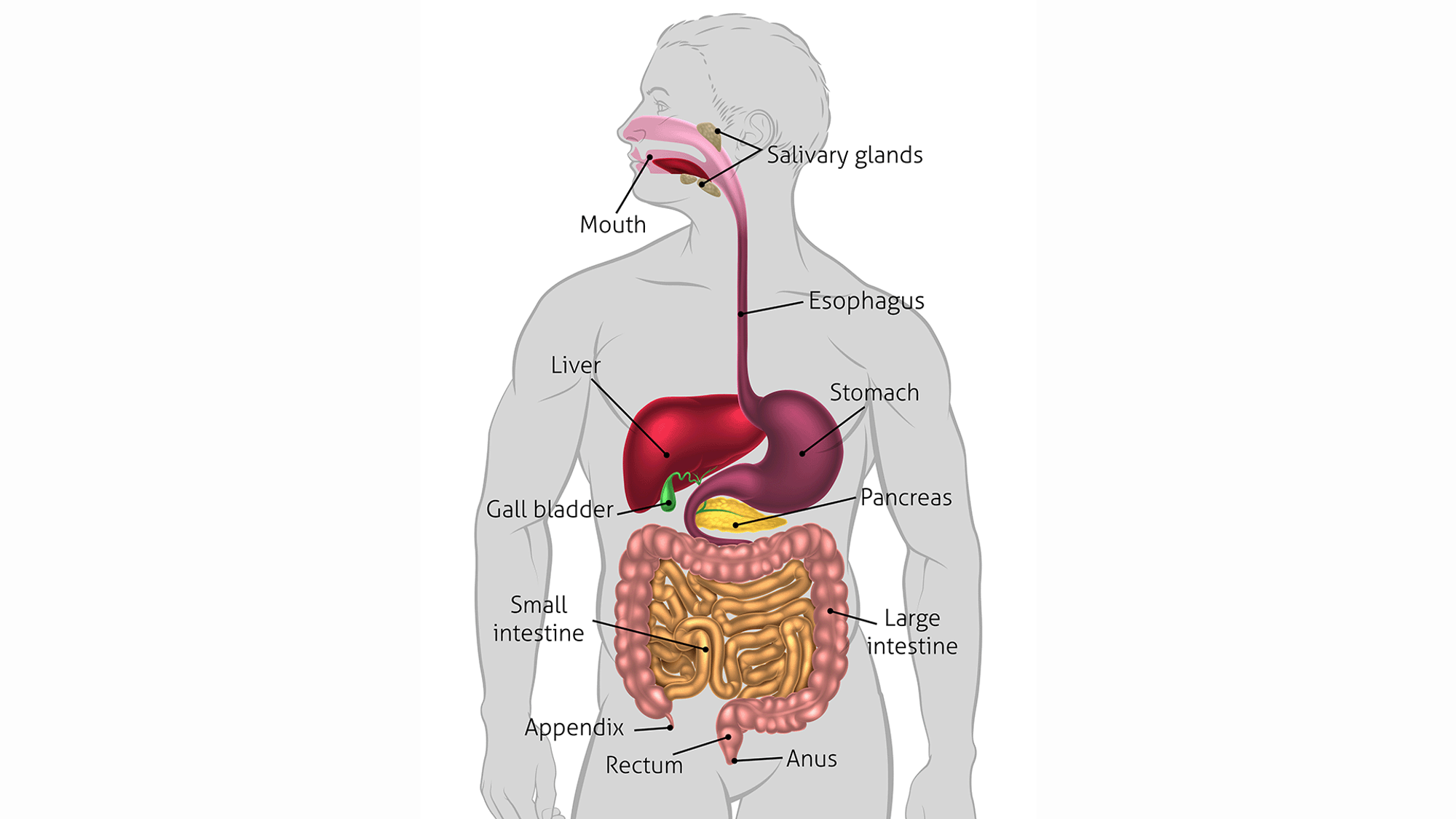
Further, there are five areas of the digestive tract that complete hydrolysis and these processes:
- Mouth
- Esophagus
- Stomach
- Small Intestine (Bioreactor)
- Large Intestine (Colon)
Before we discuss the details of the all-important small intestine or bioreactor, we will first discuss the other parts of the digestive system that support it.
The Grinder, Mixer, and Lookout.
Most people understand the mouth chews our food and provides taste for satisfaction and food safety. However, there is much more to it. The mouth does all the electro-mechanical processes except dehydration, which is more than any other part of the digestive system. The mouth grinds, mixes, liquifies, transports, signals, and starts the enzymatic hydrolysis conversion process.
The first step of reducing food to smaller molecules is grinding the food into smaller pieces so the other processes can work. At the same time, the mouth is mixing the different food types into a consistent mix of particles. The mouth's saliva provides the fluids to liquify the food so the chemistry of hydrolysis can get to work.
Enzymes are the body's specialty chemicals that change a chemical into a new chemical when mixed with certain other chemicals. Mouth saliva contains the enzyme alpha-amylase, which is remarkably effective at breaking down complex carbohydrate molecules into simpler carbohydrate molecules. This enzymatic hydrolysis is where the long, complex process of reducing food to glucose to be taken into the cell for nutrition truly begins. Enzymatic hydrolysis is particularly good at breaking down the simpler carbohydrates called starches. The mouth also transports the ground, mixed, liquified, and enzymatically treated food to the esophagus.
One of the mouth's least recognized but most important functions is signaling. We are all familiar with the role of a form of signaling called taste, which helps us select satisfying, pleasurable, nutritious, and safe food over food that's not. However, there is another essential form of signaling in the mouth, letting the bioreactor know the composition of the food that is heading its way.
The mouth acts as a lookout by signaling the bioreactor about the composition of the nutrients, allowing the bioreactor to prepare optimal amounts of the necessary nutrition processing chemicals. For example, the mouth can signal the pancreas to prepare more or less insulin depending on the concentration of sugar in the food in the mouth.
It's now apparent that your mother was right: eat slowly and chew your food thoroughly before swallowing it! If you treat food as ready-to-burn energy and shovel it like coal into a boiler, you will significantly change the nutrient stream entering the bioreactor. These changes can have major impacts on the bioreactor's processes.
Here's an easy way to see the seemingly magical power of enzymatic hydrolysis. If you use a WaterPik™ to clean your teeth, notice the bits of food that wash into the sink. If you use the WaterPik just after you eat, the food bits are multicolored and solid. If you use the WaterPik two hours after eating, the food bits are mostly white gel-like blobs due to being broken down by the enzymes in your mouth.
The Transit Tube.
Most people understand the esophagus as a transit tube between the mouth and the stomach, but it is much more. The esophagus continues the liquifying and mixing function to add the all-important enzyme-containing saliva to food. It is a critical step in continuing the enzymatic hydrolysis of food. You can significantly impact how well the esophagus does its job without even realizing it.
When you swallow, food at the top of the esophagus is pushed toward the stomach by a coordinated squeezing from the middle to the rear of the food you just swallowed. This squeezing pushes the food along, but it also further liquefies and mixes in the mucus on the lining of the esophagus. This mucus contains the same critical hydrolyzing enzymes as saliva. The mixing, liquifying, and transit process should not be rushed. However, that is precisely what you do when you time your drink to "wash it down." This seemingly innocent habit has real adverse consequences.
First, the urge to drink to help swallow is itself significant. This urge indicates you need to give the mouth the time to process the food slowly and thoroughly. A brief chew and quick swallow often lead to washing the food down with a drink. When these happen together, as they typically do, it significantly undermines the beginning of the hydrolysis process. There is no harm in drinking while eating; just don't drink immediately after swallowing to wash it down.
The Super Mixer.
As food leaves the mouth and transits through the esophagus, it forms a bolus. The word bolus is from the Latin bolus, meaning "ball." A food bolus is a ball-like mixture of ground-up food and saliva that forms in the mouth during chewing and swallowing and is shaped in the esophagus. The bolus is the most efficient shape for being pushed along by the esophagus, compressing around and behind it. The bolus leaves the esophagus and enters the stomach, where it is torn apart in the super mixer called the stomach.
The bolus is liquified further by adding stomach acid, which begins the next type of hydrolysis, called acid hydrolysis. For as little as we feel it, a considerable amount of violent mixing occurs in the stomach. Acid hydrolysis is particularly good at breaking down the most complex carbohydrates called fibers. Animals like cows that eat grass, which is mostly fiber, have multiple stomachs to maximize the acid hydrolysis. Humans with only one stomach have limits on the quantity of fibrous foods they can digest.
The stomach collects multiple small boluses from the esophagus and completes mixing them with the acid to start the acid hydrolysis. As the food exits, the stomach reforms it into a larger, more digested food bolus and sends it to the bioreactor. This reformation of the food bolus is an often overlooked but critical function of the stomach.
People have often taken foods, supplements, and medicines to reduce stomach acid for various reasons and conditions. Reducing stomach acid undermines the acid hydrolysis process in the same way as eating your food too fast and washing it down with a drink. One particular medication called proton pump inhibitors (PPIs) was developed for short-term use for severe stomach damage due to acid reflux. However, it became widely used for long periods for lesser conditions, significantly reducing acid hydrolysis and adversely affecting the microbes in the bioreactor.
Scientific evidence is mounting that overuse of PPIs and similar overly aggressive stomach acid interventions are contributing to metabolic syndrome, obesity, and metabolic disease.
Waste Management.
Even though the bioreactor is next in line in the digestive system, we will discuss the large intestine or colon next since it also supports the bioreactor.
The end of the line of the digestive system is the colon. From the point of view of nutrition, only about 5% of the nutrients for microbes and human cells are generated in the colon. The primary purpose of the colon is to dehydrate the bolus and to control when and where we deposit our waste from processing food. There are many good reasons to want a happy, healthy colon, which can certainly be impacted by what you eat. However, concerning metabolic syndrome, obesity, and metabolic disease, the colon is typically not a significant player.

Transit time is the one aspect of colon health that can affect the bioreactor. Transit time refers to how long it takes for the food bolus to pass through the colon. While the bioreactor's bolus transit time is remarkably consistent among individuals at 3 to 4 hours, it is highly variable at anywhere from 5 to 50 hours in the colon. This variance is also surprising when you consider the bioreactor is almost ten times longer than the colon. But this is the colon's job: give you many options for depositing your waste. In evolutionary times, this could keep you from being tracked down and eaten by predators. In modern times, this can keep you from being run off by neighbors.
Generally, the transit time through the bioreactor is unaffected by the colon, but severe constipation can affect this. Constipation, in this context, means an extended transit time in the colon. Eventually, the bioreactor will slow down or temporarily stop emptying until room is available in the colon. Any change in the transit pace of the bioreactor is highly disruptive and often painful. It also disrupts the enteric nervous system that operates the entire digestive system, which we will discuss in the lesson Do You Know You Have A Second Brain?
Also, a slowed bolus transit changes the dynamics of how the bolus interacts with the bioreactor mucus layer and wall membrane. This slowdown can disrupt the bioreactor's functioning of its ecosystems and even physically damage it. Treating constipation is critical to maintaining bioreactor health.
There are significant differences between various treatment methods for constipation, and in most cases, especially as you get older, it takes more than eating more fiber. Consult your medical provider and do something about constipation. It is potentially much more damaging than an occasional discomfort and inconvenience.
The Bioreactor.
With respect to the comedian Rodney Dangerfield, the small intestine doesn't get any respect. Most think of it as just a tube that sends food on its way with nutrients seeping into the body. Unlike the large intestine, which is also called the colon, the small intestine doesn't even get a special name. So Nutrimatters is giving it one, the bioreactor. As we detail just how vital the bioreactor is and how it works, you'll see how appropriate its new name is.
Scientists refer to a bioreactor as a vessel in which raw materials are converted into products by the activity of living cells under controlled conditions.
But first, let's discuss the bioreactor's fundamental purpose. It is the breaking down of a bolus of food into the individual fuels of individual microbes so they can feed and produce essential chemicals for human cells. This process is very much like the distillation column in a petroleum refinery. An organic compound known as a barrel of petroleum contains many different types of molecules. A refinery puts the petroleum into a distillation column (another long tube), which has several zones with different conditions over its length from top to bottom.

Each zone of the distillation column has different environmental conditions of temperature, pressure, duration, and mixing rates. The different conditions of each zone cause the petroleum to break down into different components. In one zone, gasoline forms and is piped off to fuel automobiles. In the next zone, aviation fuel is piped off to fuel aircraft. In another zone, diesel fuel is recovered to fuel trucks. Another zone makes other petrochemicals for solvents, plastics, etc. A complex organic compound is processed in different zones with different conditions, yielding different fuels for different vehicles and uses.
The bioreactor is conceptually the same, except it starts with a different organic compound, a bolus of food, and instead of high heat and pressure, it uses different zones of oxygen, nutrition, mixing, duration, and microbes to create different fuels for different cells.
This process of breaking down the components of a bolus of food using microbes is called microbial hydrolysis. It is the third and final type of hydrolysis, and it occurs primarily in the bioreactor. Microbial hydrolysis is particularly effective at breaking down the full range of carbohydrates, including sugars, starches, and fibers. Therefore, it makes sense for microbial hydrolysis to occur further along in the digestive process, where it can complete the conversion of any remaining molecule types. The lessons Your Cells Don't Have A Mouth, and You Breed What You Feed focus on the microbiology and chemistry of microbes. Here, we will focus on the bioreactor's chemical, mechanical, and fluid dynamics.
Dr. Michael Gershon's book, The Second Brain, details that 95% of nutrition happens in the bioreactor. Up to this point, everything in the digestive tract functions to prepare the optimal food bolus and move it along to feed the ecosystem of microbes in the bioreactor. Everything after the bioreactor is to manage the waste products of nutrition. The bioreactor truly is the center of the nutrition universe.
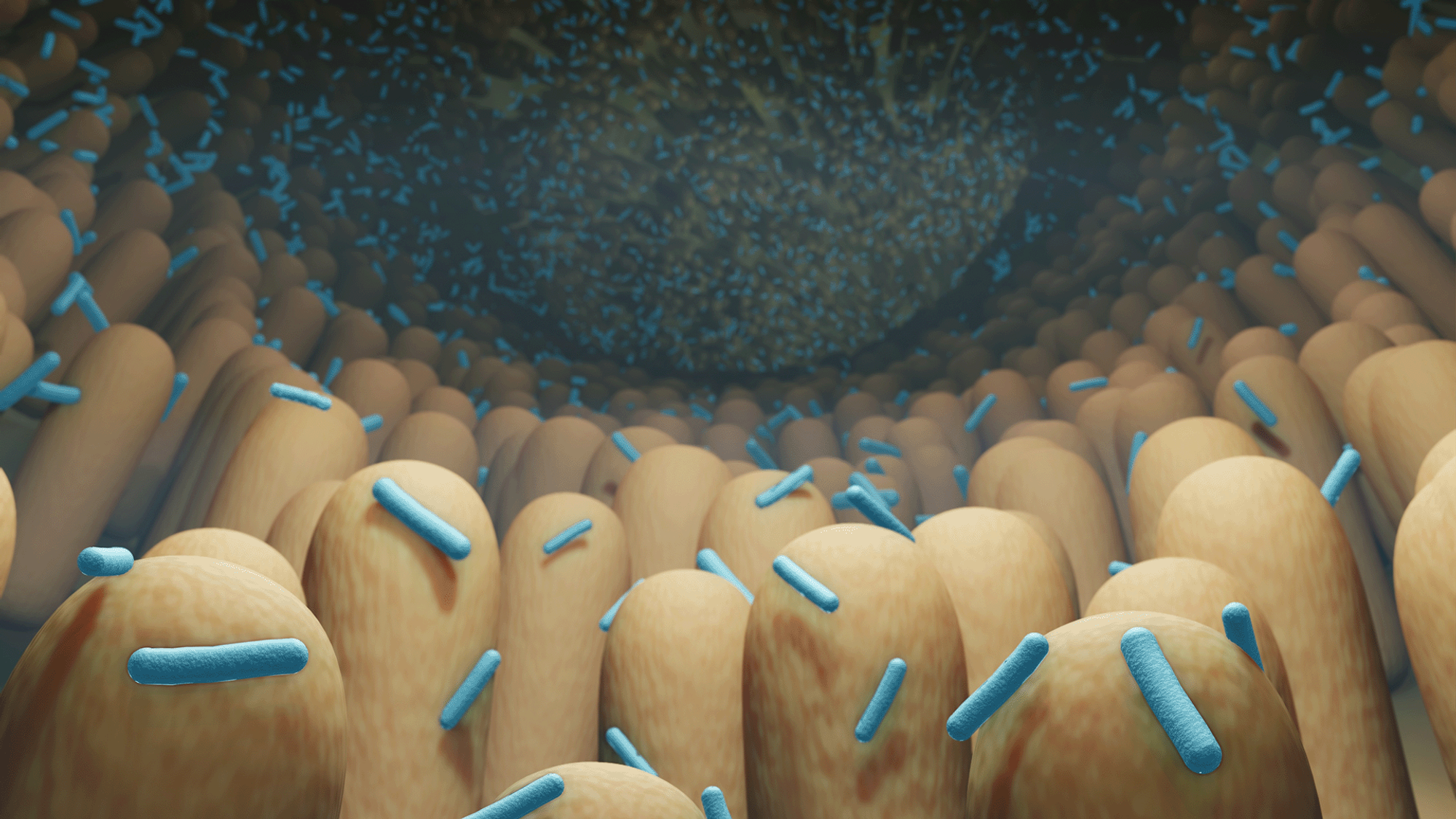
The bioreactor, on average, is 22 feet (7 meters) long and has 400 square feet (37 square meters) of surface area. It has so much surface area because it is covered in hair-like structures called villi to maximize the number of microbes that come into contact with the bolus. Inside each of these villi are capillaries of blood that will transit the nutrients and biochemicals from the cells of the microbes to the cells of the body.

In the lesson You Breed What You Feed, we introduced that the length of the bioreactor is an ecosystem of thousands of different species of microbes. As the food bolus travels vertically down the bioreactor, it encounters changing conditions of oxygen, nutrition, chemistry, and other microbes. Think of this as the vertical ecosystem with distinct environmental zones and microbe species at each level.
There are also environmental zones and microbe species positioned horizontally in the bioreactor. As you move deeper into the mucus and walls of the bioreactor, another range of layers and different conditions of oxygen, nutrition, chemistry, and other microbes exist. The horizontal zones go from the mucus surface that lines the bioreactor to where the bioreactor wall membrane contacts the abdominal wall. Think of this as the horizontal ecosystem with distinct environmental zones and microbe species at each position into the mucus layer and bioreactor wall.
For each microbe species, there is a vertical and horizontal zone that defines the space where they live and contribute to creating usable nutrition and chemistry for the human body. The horizontal ecosystem is much shorter than the vertical ecosystem, but it's just as important because it is the final process before transferring the molecules to the blood.
In the bioreactor horizontal ecosystem, there are five environments:
- Food Bolus and Fluids.
- Surface of the Mucus.
- Embedded in the Mucus.
- Surface of the Wall Membrane.
- Embedded in the Wall Membrane.
In each of the five environments, an optimal density of microbes can sustainably exist in that space. Density controls cell movement. Cells of the microbiome do not have structures to facilitate movement. They move as a result of reproduction and the flow of the environment. As they reproduce, they get denser, and the offspring pushes away from the parent. Movement from reproduction will continue until reaching the limits of available preferred nutrition and habitable space. Once they reach a zone where the preferred nutrition is no longer available, they stop reproducing and, thereby, stop moving. These limits to movement help define the zones where various species live. It also determines the productivity of nutrients and biochemicals of that species.
Food Bolus and Fluids.
The important thing about the microbes living in the food bolus and fluids is that they are not durable, most exposed to the most changing environment, and just passing through the bioreactor. Therefore, these microbes must be replaced regularly. Antibiotics, intermittent fasting, and abrupt and extreme diet changes significantly impact these microbes. These microbes will most likely benefit from naturally fermented foods, yogurt with active cultures, prebiotics, and probiotics. However, they are also the microbes most likely to be readily available in the natural environment.
Surface of the Mucus.
There is a mucus layer that protects and seals the bioreactor wall. Certain species of microbes can attach to the surface of this mucus layer. These microbes are more durable and survive longer than those in the bolus and fluids. They are also the most impacted by the characteristics of the bolus. Whether the bolus is large or small, fast or slow moving, frequent or infrequent, well processed or not, all impacts these microbes directly.
As a result, a person who doesn't eat major meals and snacks all day will create a very different environment for these microbes than a person who does not snack and eats only large meals each day.
Embedded in the Mucus.
As discussed in When You Become The Infection, this mucus layer provides an environment for microbes important to nutrition and biochemistry and seals the walls of the bioreactor. The walls of the bioreactor are porous, readily allowing fluids to pass through if not for this mucus layer. This mucus layer is critical because it regulates the flow of fluids into the bioreactor wall, the ultimate destination for nutrition and chemicals.
This flow is how fluids reach the capillaries to pass nutrients and biochemicals to the blood. Too much flow and fluids enter the abdominal cavity, triggering an immune response and inflammation. This is often referred to as leaky gut syndrome. Too little flow and the critical nutrients and biochemicals do not enter the blood. The microbes embedded in the mucus play an essential role in regulating the flow of fluids through the walls of the bioreactor.
These microbes are more durable and less immediately impacted by the latest meal. However, this also makes the process of impacting them longer and more complex. The integrity of the mucus itself is critical to preserving these microbes. In addition to the microbes that help hold everything together, the integrity of the mucus layer depends on insoluble fiber, recovery time, and interaction with the bolus.
Surface of the Wall Membrane.
The human body is a donut. What? That's right. The human body is like a donut, and realizing that is an integral part of nutrition. This makes sense when you realize the walls of the bioreactor are made of skin cells, just like the visible outside of the body. So, the inside of the bioreactor is actually outside the body, just like a donut hole, albeit a very irregular-shaped one.
One reason this is important is that many of the first signs of bioreactor dysfunction begin with damage to the walls of the bioreactor due to the loss of integrity of the mucus layer. Damage to the skin in the donut hole is often observable in the regularly visible outside skin. Improvements in the skin are often one of the first changes noticed when practicing the 6by6Living program.
Like the visible outside skin, the non-visible outside skin, also known as the bioreactor wall inside the body, is covered in microbes. These microbes on the surface perform critical molecule conversion processes just like the other microbes along the horizontal ecosystem.
The health of this non-visible outside skin is adversely affected by many of the same things bad for your visible outside skin, like smoking, drinking too much alcohol, and not getting enough sleep, all damaging the bioreactor. And before you say at least you don't have to worry about sunburn, it's not clear that damage from the visible outside skin does not migrate to the non-visible outside skin, again damaging the bioreactor.
Critical structures on the surface of the bioreactor wall are niches and crypts. A niche is an indentation or depression in the surface. A crypt is a deeper indentation with a narrower opening, almost cave-like. These are the all-important microbe incubators or nurseries. Think of these as the emergency backup supply of microbes. If a population of critical microbes suffers a setback, such as a dose of antibiotics, the new generation of microbes comes from the niches and crypts.
While many bacteria have hair-like tails called flagellum to provide locomotion, not all cells of the microbiome have structures to facilitate movement. Many move as a result of reproduction and the flow of the environment. Crowding causes the offspring to push away from the parent as they reproduce. Movement from reproduction will continue until the limits of available nutrition and habitable space are reached. Once they reach a zone where the preferred nutrition is no longer available, they stop reproducing and, thereby, stop moving.
Niches and crypts are protective, but they also make changing the microbes in a zone hard. After a long period of lousy nutrition populates the niches and crypts with a harmful microbe, simply improving the diet will not quickly correct the problem. Optimal contact with the bolus is essential to getting nutrition through the mucus into niches and crypts.
Embedded in the Wall Membrane.
The final zone of horizontal ecosystems is inside the wall membrane itself. The nutrients and biochemistry are delivered to the capillaries containing blood in the wall, which will circulate them to all the cells in the human body. Very little is known about these microbes because a biopsy is required to recover them, and their environment is difficult to reproduce in the lab. But biopsies have revealed their existence, confirmed by genetic testing.
When these deeply embedded microbes die, they do not exit the body through the digestive tract but through the body's lymphatic system. This is likely why some skin conditions triggered by bioreactor dysfunction first appear on the skin near exits for the lymphatic system. Also, these microbes are most challenging to change through short-term diet changes.
Wrap Up.
Scientists have yet to agree on the number of different species of metabolically active microbes in the bioreactor. The uncertainty results from differing DNA standards that differentiate a species and definitions of metabolically active. Standardizing these measurements is a focus of the Human Microbiome Project. Current numbers range from four to eight thousand different species of metabolically active microbes, increasing with each new study.

Based on this trend, it's reasonable to think these numbers will ultimately settle in at least five to ten thousand different species. Since each species will have its optimal zone in the ecosystem, five to ten thousand species inhabit distinct vertical environmental zones. Also, for every vertical zone, there are five horizontal environmental zones.
The sheer scale of the bioreactor ecosystem is staggering. Between twenty five and fifty thousand distinct environmental spaces serve as critical habitats for metabolically active microbe species, each creating an essential nutrient or biochemical. This multitude of environments underscores the complexity and diversity of the bioreactor's microbial community.
Considering the overwhelming complexity of the bioreactor's vertical and horizontal ecosystems, it becomes clear that there are no quick fixes to metabolic syndrome, obesity, and metabolic disease. Short-term special diets, weight loss, and adding healthy foods, probiotics, prebiotics, antioxidants, and supplements will not likely get the job done. The Actionable Knowledge of the Nutrimatters nutritional model can help avoid and reverse metabolic syndrome, obesity, and metabolic disease.
Instead of trying to micromanage the bioreactor ecosystem, Nutrimatters focuses on ending actions that harm the bioreactor and beginning actions that support the bioreactor's natural healing.
Actionable Knowledge
- If you treat food as ready-to-burn energy and shovel it like coal into a boiler, you will significantly change the nutrient stream entering the bioreactor. These changes can have significant impacts on the bioreactor's processes.
- First, the urge to drink to help swallow is itself significant. This urge indicates you need to give the mouth the time to process the food slowly and thoroughly. A brief chew and quick swallow often lead to washing the food down with a drink. When these happen together, as they typically do, it significantly undermines the beginning of the hydrolysis process. There is no harm in drinking while eating; just don't drink immediately after swallowing to wash it down.
- Dr. Michael Gershon's book, The Second Brain, details that 95% of nutrition happens in the bioreactor. Up to this point, everything in the digestive tract functions to prepare the optimal food bolus and move it along to feed the ecosystem of microbes in the bioreactor. Everything after the bioreactor is to manage the waste products of nutrition. The bioreactor truly is the center of the nutrition universe.
- The sheer scale of the bioreactor ecosystem is staggering. Between twenty-five and fifty thousand distinct environmental spaces serve as critical habitats for metabolically active microbe species, each creating an essential nutrient or biochemical. This multitude of environments underscores the complexity and diversity of the bioreactor's microbial community. Instead of trying to micromanage the bioreactor ecosystem, Nutrimatters focuses on ending actions that harm the bioreactor and beginning actions that support the bioreactor's natural healing.
Article Top Sponsors

 Donate to Help Improve Articles
 Last Updated 07.16.26 09:56 AM ET