
Top Sponsors of this Article
 Your Name - Your Organization Your Name - Your Organization Your Name - Your Organization Your Name - Your Organization
Table of Contents
A Presidential Candidate's advisor famously said “It's the Economy... Stupid.” Yeah, it's the same with the liver.
Liver Politics.
When asked what the most important thing was for getting elected President of the United States, President Bill Clinton's political advisor famously said that when it came to elections, it was "the economy, stupid." At the time, adding "stupid" to a reporter's question was bold and unprecedented. But it made the point that everything else was far less critical than the economy. Ending an answer with "stupid" quickly became a term of art to get people to understand how important a particular answer was among many possible answers.

So, if asked what an essential step is for addressing metabolic syndrome, obesity, and metabolic disease, our answer would be, it's the liver, stupid. Given our focus on the bioreactor and microbiome, this answer might surprise you. However, reduced to its most essential functions, this is explained as follows: the bioreactor and microbes produce the body's chemistry, and the liver controls it. Control might be more important than production because so much of what happens biochemically in the body happens because of thresholds.
Thresholds.
A threshold is a level or point at which something happens or ceases to happen. One of the most widely experienced and understood examples of a threshold is boiling water. A pot of water on the stove mostly sits there as you add more and more heat energy. Then, all of a sudden, the pot of water starts boiling when the temperature reaches 212ºF (100ºC) (at sea level). Nothing, then boiling. The temperature threshold for something happening when water starts boiling is 212ºF (100ºC).
Now imagine it was essential that the water's surface in the pot remained calm (i.e., not boiling), but you need to know what temperature the threshold is for the water to stop being calm. Further, the water temperature starts at 100ºF (38ºC). A unit of heat in this case is 10ºF (3.8ºC). You notice no changes in the water's surface due to adding 1 unit of heat.
You add a few more heat units, and again, nothing happens. You quickly become confident you can safely add many heat units without harm. Now, you've added eleven units, and still no change. Eleven units would raise the temperature to 210 ºF (99ºC), more than double the starting amount of heat in the water. Your confidence is at a new high, and it's safe to add lots of heat units to water without consequence.

But when you add the 12th unit, all hell breaks loose. You're shocked. You only added 1 unit, as you have safely done eleven times before. But you've learned your lesson and won't add 12 heat units or more again. But the story is not over. The next time you come to add heat units, the water has yet to quite fully cool down. This time, the starting temperature is 140ºF (60ºC), not 100ºF (38ºC), and the water starts boiling at 8 heat units, not 12 heat units as before. So, how do you answer the absolute question of how many heat units are safe to add?
One of the fundamental flaws underlying most nutrition decisions with poor outcomes is thinking in absolutes, not thresholds. In our example, absolute thinking tells me how many heat units are always safe to put into the water. Threshold thinking is that there is no absolute number, only the number that reaches a threshold where an adverse change happens.
No Absolutes.
Absolute thinking is at the core of the trillion-dollar weight loss and nutrition industry with the plea, tell me what to eat and how much. This plea presumes that there is an absolute best diet. An absolute set of rules and guidelines exist to eat healthy and avoid and reverse metabolic syndrome, obesity, and metabolic disease.
Answering this plea might be reasonable if everyone had the same degree of bioreactor dysfunction, the same amount of dysbiosis, the same fatty liver disease, and the same degree of metabolic syndrome, obesity, and metabolic disease. Back to our boiling water example, you could only recommend the correct units of heat added if everyone started at the same initial temperature.
However, everyone is on a continuum regarding the condition of their bioreactor, microbiome, fatty liver disease, and degree of metabolic disease, so there are simply no absolutes. There are only thresholds to be discovered and managed.
Ground Zero.
We say it's the liver… stupid, because a critical threshold in the bioreactor affects the liver and is ground zero for metabolic syndrome, obesity, and metabolic disease. This threshold is the amount of fructose and complex sugars remaining in the bioreactor's bolus when it reaches the hepatic portal, or tube, that connects the bioreactor to the liver. Hepatic is what scientists call the liver.
Suppose the bioreactor still has not processed any fructose or complex sugars by the time the bolus reaches the hepatic portal. In that case, these sugars go directly to the liver and become liver fat. Increased liver fat harms and displaces liver cells and changes the way insulin works, what scientists call insulin intolerance. Insulin intolerance changes how much glucose enters the cell, harming the mitochondria and initiating metabolic syndrome, obesity, and metabolic disease.
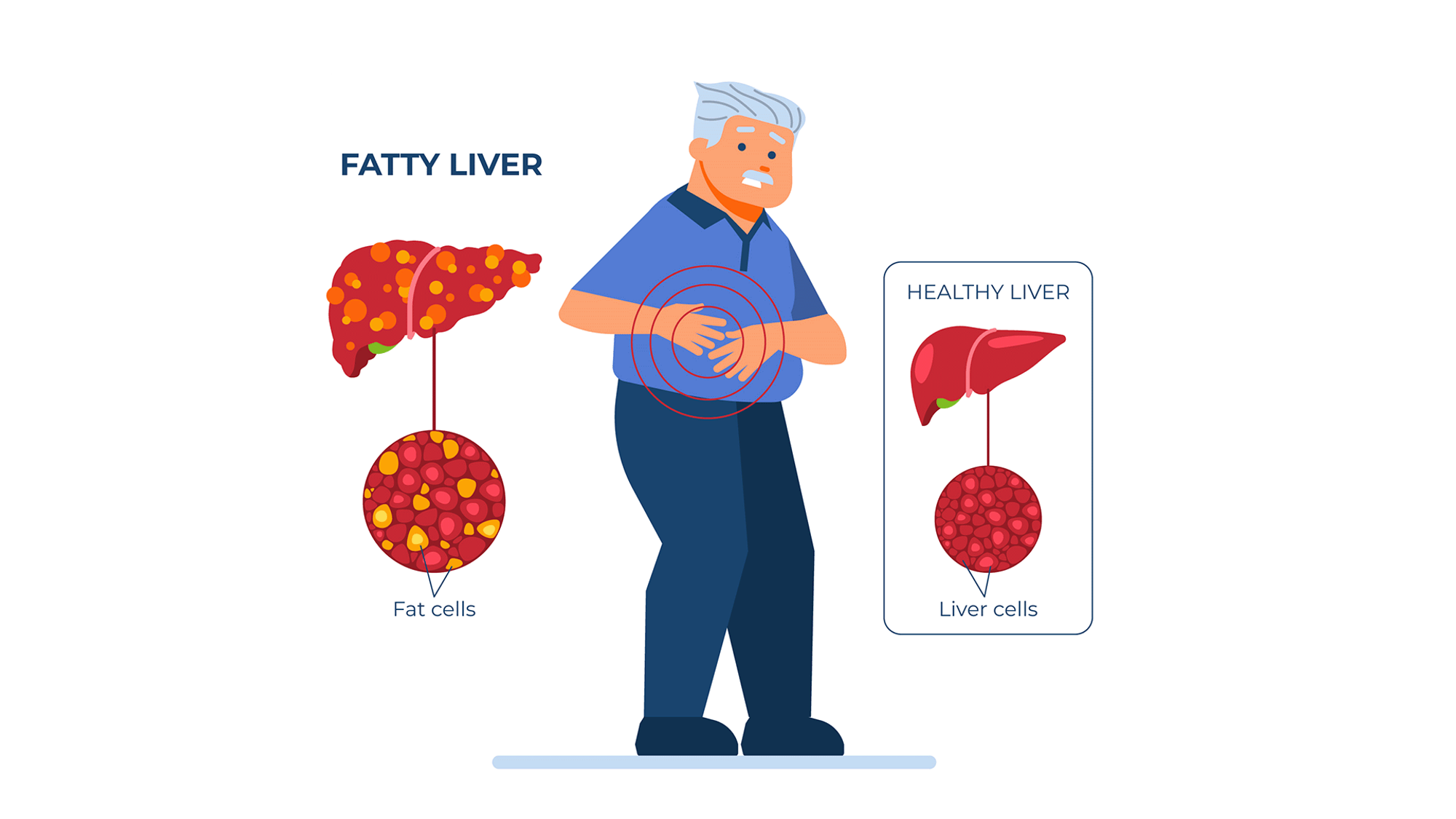
Therefore, avoiding and reversing the accumulation of liver fat is the key to preventing insulin intolerance and, thereby, metabolic syndrome, obesity, and metabolic disease. You do that by avoiding and reversing bioreactor dysfunction and dysbiosis, making it a better processor, and staying below certain thresholds for fructose and complex sugars, giving it less to process.
The Good, The Bad, and The Ugly.
Liver fat is good. Liver fat is bad. Liver fat is ugly. Which is true? All three. Energy is stored in the blood as glucose, in the muscles and liver as glycogen, and in the liver as fat. Each is a different fuel for a different need.
Depending on the intensity of effort, the body uses one of its two energy-producing systems: aerobic and anaerobic. Aerobic means to create energy with oxygen and is for less intensive efforts. Anaerobic means creating energy without oxygen and is used for more intensive efforts.
From the nutrition point of view, the more important distinction is that the less intensive aerobic exercise uses energy from liver fat, and the more intensive anaerobic exercise uses energy from blood and muscle sugar.
Glucose in the blood provides the fastest energy and is replenished as quickly as 30 minutes. However, it is the smallest amount of energy available. Muscle and liver glycogen is a little less available because the glucose must be used first, and it takes a few days to replenish fully. However, it has a larger store of energy. Both glucose and glycogen are available for relatively higher anaerobic energy needs.
Liver fat builds slowly and is available mainly when glucose and glycogen are depleted, or the body has intensive long-term aerobic energy needs. However, the liver is a significant energy store when someone is on the spectrum of metabolic syndrome, obesity, and metabolic disease.
If you're an ultramarathoner, running down game for food, lost at sea, going weeks without food, or living where starvation is endemic, liver fat is good. Liver fat is bad if you're sedentary and eating three meals daily with snacks. If you've also exceeded thresholds of fructose, complex sugars, and alcohol and have accumulated sufficient liver fat that you are harming and crowding your liver cells, then liver fat is ugly.
Just Call It What It Is.
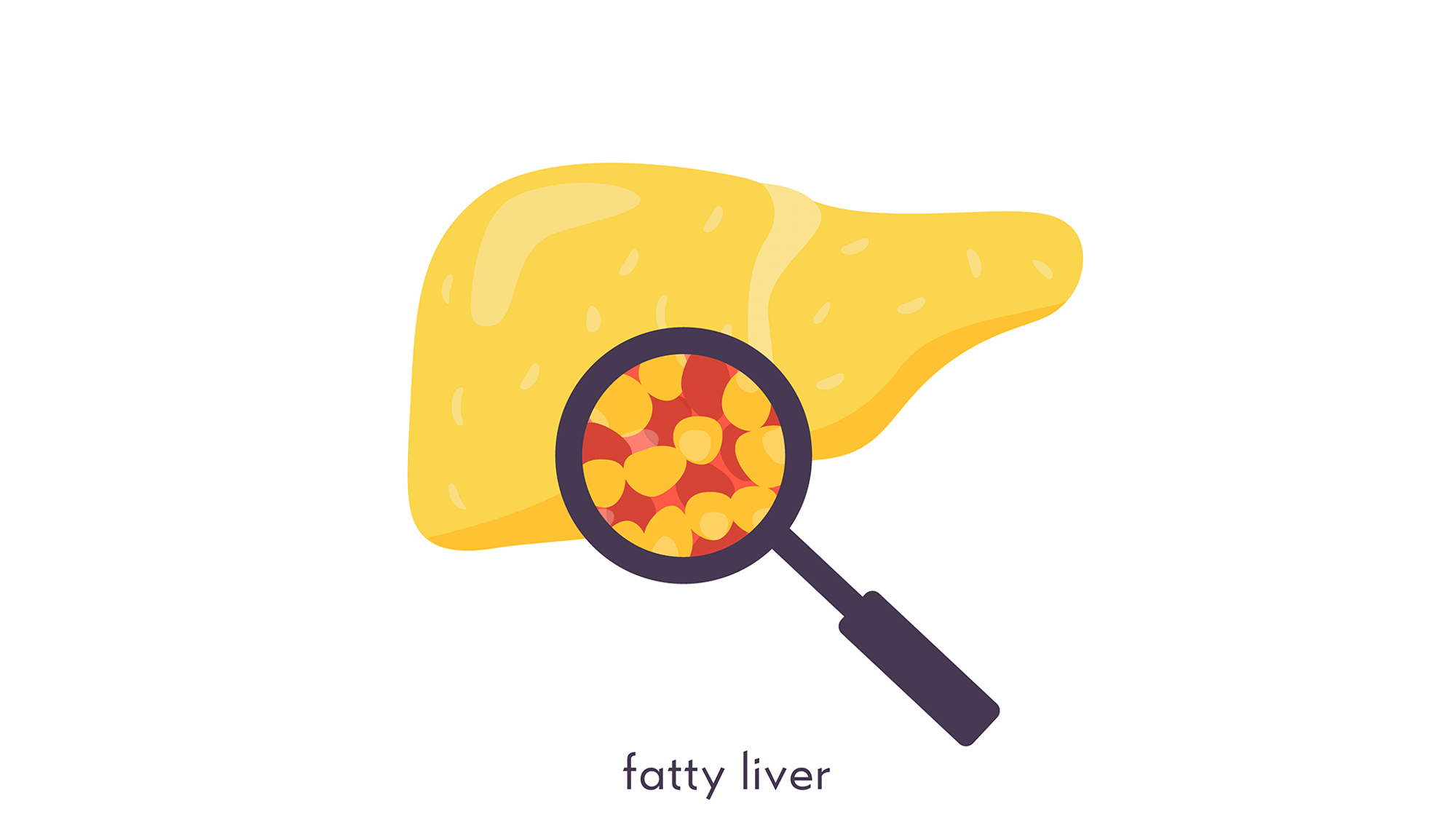
The concept of fatty liver is that fat from excess sugar accumulates in the liver. Since the liver is encased in a container of limited expansion potential, as fat is added, eventually, something must be replaced to make room for the fat. What gets replaced is the liver cells doing all the good work the liver does. Eventually, not enough liver cells are left to do the entire job. It's like, one by one, removing the sensors from the computer controlling a complex process. Eventually, without these sensors, those processes can go wrong in many catastrophic ways.

For many years, the liver was considered the body's waste filter, like a filter cleaning a swimming pool. The loss of that cleaning function would be bad enough. Waste accumulating in the body triggers systemic inflammation and all the associated tissue damage discussed in several preceding lessons. But it's much worse than waste buildup when the liver loses its capacity to do its job. The understanding of fatty liver disease has an unusual history.
The damage that too much liver fat does to the liver was first observed in the poor and homeless. Their poverty and despair often resulted in a poor diet consisting mostly of alcohol. Well-to-do alcoholics also suffered from fatty liver. Therefore, it was called Alcoholic Fatty Liver Disease (AFLD).
Later, the disease was seen in older people living comfortably, well-nourished, and not drinking any or much alcohol. For a long time, these people were accused of being closet drinkers. Still, eventually, it was understood there was a version of fatty liver disease that didn't require excessive alcohol consumption. They called this Non-Alcoholic Fatty Liver disease (NFALD).
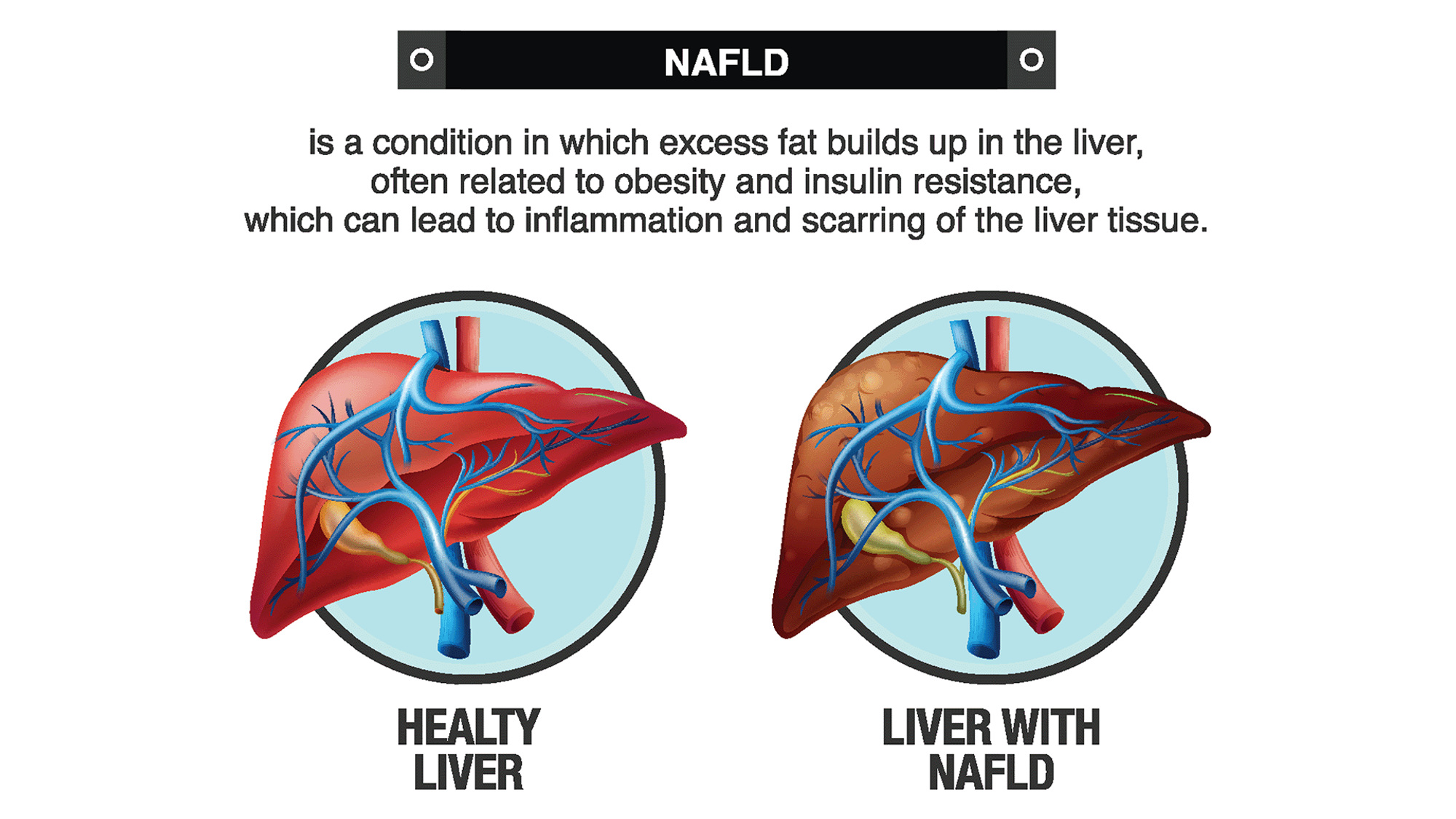
Most recently, we have understood that the liver reacts to alcohol, fructose, and complex sugars in pretty much the same way. Therefore, Alcoholic Fatty Liver Disease and Non-Alcoholic Fatty Liver Disease are distinctions without a difference.
There is a movement to combine these into one disease called Metabolic Dysfunction-Associated Steatotic Liver Disease (MASLD). Leave it to the current establishment to turn a more simplified understanding into a more complex, almost unpronounceable name.
Everyone should be aware and concerned about excess liver fat. Giving it a difficult-to-pronounce and obtuse name doesn't help that. We will avoid the new name and consolidate the two historic names by calling it Fatty Liver Disease (FLD).
A Deeper Understanding.
Researching fatty liver disease did not result in a much deeper understanding of how important the liver is to metabolic health. It came from researching heart disease. Until recently, metabolic disease has never generated significant funding from the National Institutes of Health. However, coronary heart disease has been a favorite beneficiary of research funding for many years.
Further, pharma was hesitant to fund nutrition research because metabolic diseases took so many years to manifest that randomized controlled trials (RCT), the prerequisite for drug approvals, took many years and were extraordinarily costly. But a few relatively recent developments changed everything.
Faced with a metabolic disease crisis, the FDA agreed that the endpoint of the research no longer had to be an improvement in the actual disease state, which is challenging for diseases that take decades to manifest. If pharma could show they could improve a condition known to be a precursor to the disease, RCTs would be shorter, and drug approvals would be much sooner and much more affordable.
The FDA became sufficiently confident that if a drug lowered a low-density lipoprotein (LDL), it would improve heart disease. Therefore, a drug could be approved by simply showing it lowered LDL and not having to wait years or even decades for heart disease to develop.
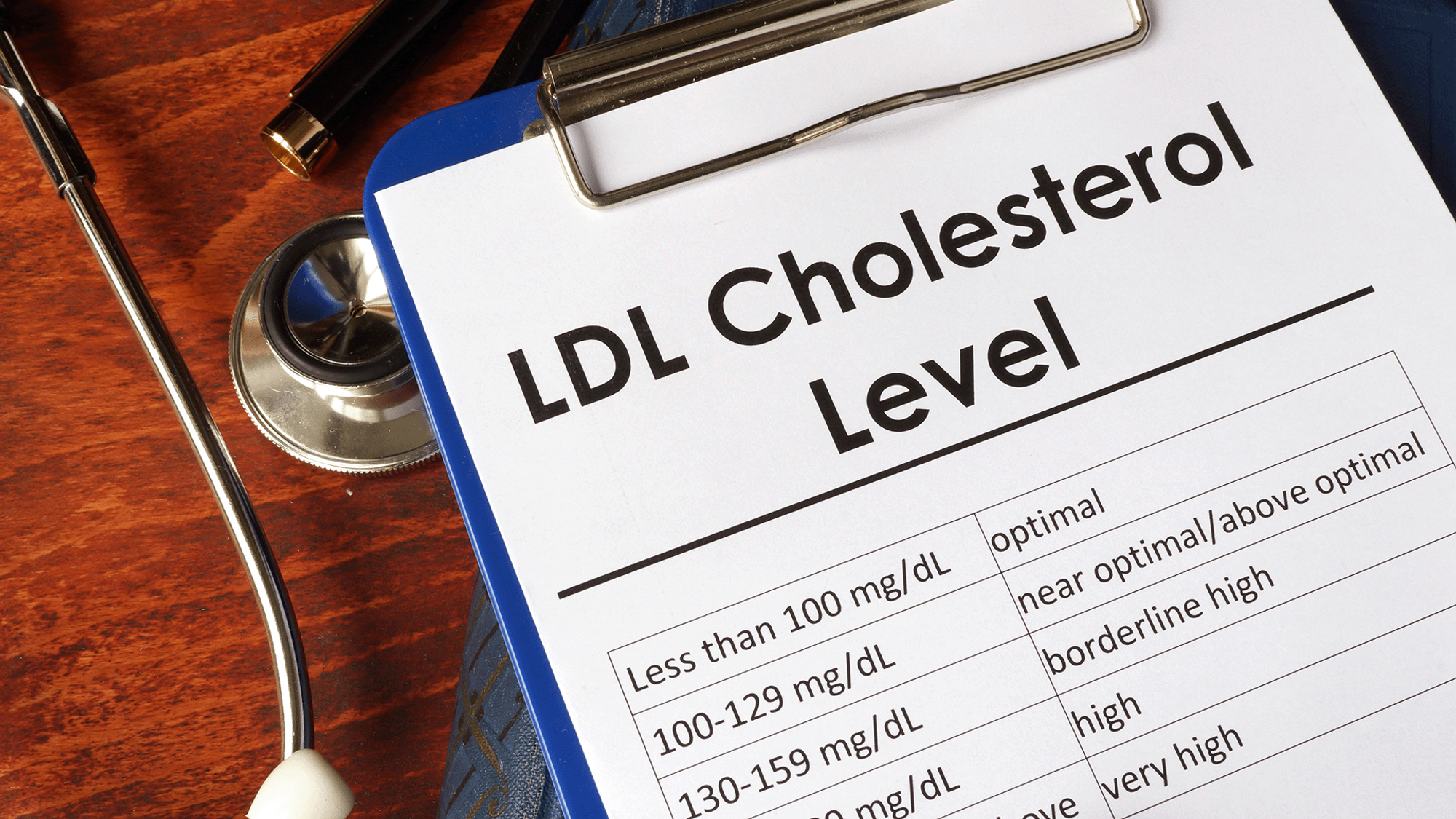
This sea change opened up much research on how the body produces and regulates LDL. Initially, it was believed LDL largely came from cholesterol and fat in the diet, which significantly impacted nutrition research. Who can forget all those years we were told to eat low-fat, low-cholesterol foods?
In one of the great ironies of our time, as factory food companies rushed to reduce fat and cholesterol to sell "heart-healthy" foods, they replaced fat and cholesterol with sugar and fructose to compensate for the loss of flavor. It turned out that LDL was mostly made in the liver and largely unaffected by the diet, while the added sugar was causing Fatty Liver Disease, a major contributor to heart disease.
A major side benefit of all this LDL research was a deeper understanding of how the liver works. The liver both produces LDL and continually regulates its concentration in the blood. That's right, we make our own LDL, mostly regardless of what we eat.
The liver cells have microscopic filaments covered in proteins that attach to and collect specific molecules, such as LDL. The more liver cell filaments, the more LDL that gets collected. Once a filament is full of LDL, it is withdrawn into the liver, and the LDL is reconstituted and recycled back into the blood. This process carefully regulates the characteristics and amount of LDL circulating in the blood. The liver was a lot more complex than a pool filter.
As pharma looked for a drug to influence this newly understood process, they discovered a region in Asia with minimal heart disease. This population was uniquely eating red yeast rice, which contained a molecule that caused the liver to make more of the liver filaments that collected LDL.
They called this molecule statins. They synthesized this molecule from red yeast rice, and the multibillion-dollar statins market was born. Statins cause more filaments to capture more LDL than the liver can recycle, leading to a net reduction in LDL. This is called upregulating the LDL filaments.
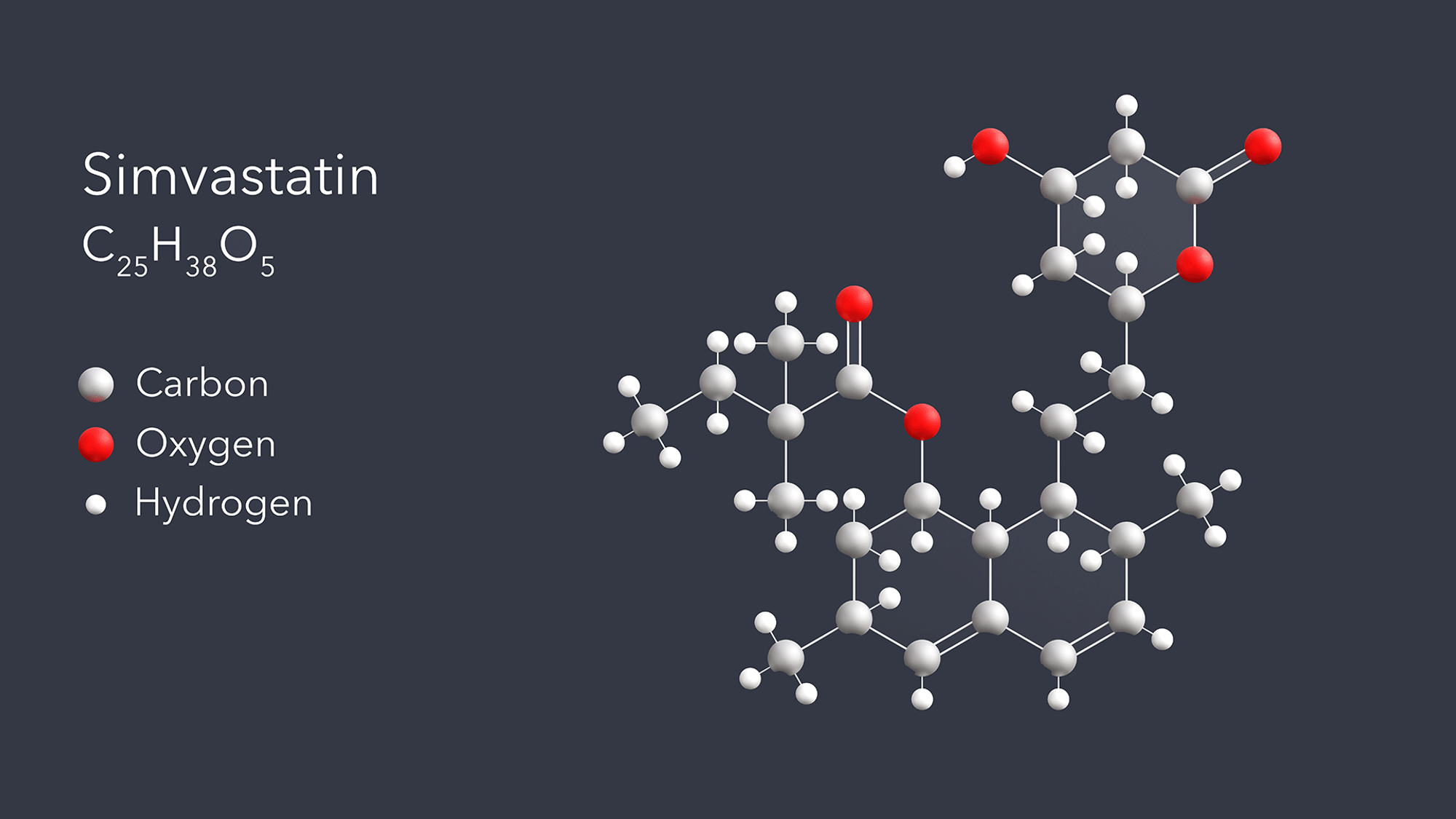
By the way, if you're buying red yeast rice as a natural source of statins to reduce LDL, a few years back, the FDA required the removal of the statin active ingredient, so save your money.
Meanwhile, they also discovered a group of people with very high LDL in Europe. Scientists discovered a gene that caused their bodies to make more of a protein called PCSK9. This protein caused the liver to prematurely retract the filaments into the liver for recycling before the full amount of LDL was collected, leaving more LDL circulating in the blood. This effect is called downregulating the LDL filaments. Pharma quickly developed a molecule that inhibits the PCSK9 protein from downregulating LDL filaments. As a result, more LDL filaments are available to reduce LDL in the blood.
Statins and PCSK9 inhibitors are a billion-dollar market for controlling LDL. The LDL research provides extraordinary insight into how the liver uses these filaments to regulate much of the body's chemistry. This research also revealed very complex processes by which other molecules upregulate and downregulate these filaments. Research is beginning to confirm that the liver functions similarly for almost all of the body's biochemistry.
The deep understanding resulting from the billions spent on LDL research is why we support the insight that the bioreactor creates the body's biochemistry, and the liver regulates it. It's unlikely many other molecules will get this level of research. Still, there is no reason not to believe the liver uses this exact regulating filament mechanism to precisely control the body's chemistry.
Of course, if a liver cell is harmed or crowded out by fat cells, the filaments of liver cells will not regulate the body's chemistry at all. It's also possible that many other chemicals in factory food act on liver filaments of other critical molecules. But at this point, that is just informed speculation, and there are other more proven reasons to avoid factory food.
Stopping Fatty Liver Disease.
Science tells us with a high degree of certainty that unless we're ultramarathoners or planning many days without food, we want to keep fructose, complex sugars, and alcohol from reaching the hepatic portal and getting to the liver to make liver fat. It's worth saying again.
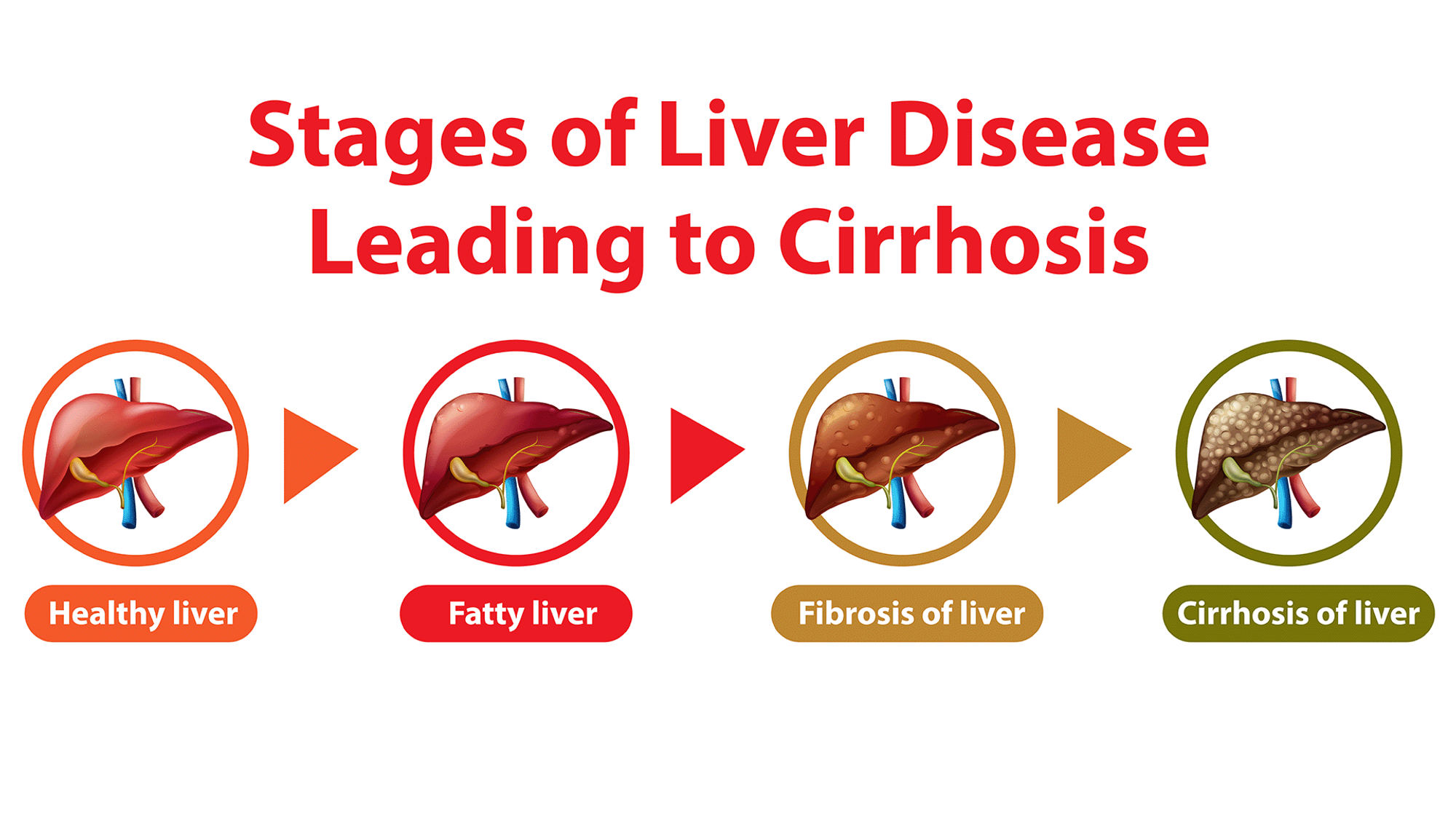
If we reduce Fatty Liver Disease, we reduce insulin intolerance, which reduces metabolic syndrome, obesity, and metabolic disease. To do this, we must have a much better understanding of the bolus, transit times, the bioreactor and microbiome, and thresholds to make sure that by the time the bolus gets to the hepatic portal, all fructose, complex sugars, alcohol, and factory food additives have already been processed by the bioreactor and microbiome.
So far, compelling research has identified the threshold for fructose, but it has yet to be determined for alcohol and other complex sugars. Dr. Richard Johnson's research has determined that, on average, the daily threshold is 7 grams of fructose. Since sucrose (table sugar) is half fructose, that's 14 grams of sucrose or about 4 teaspoons per day. Any more than that, you're likely making excess liver fat and heading toward Fatty Liver Disease.
Since one "healthy" yogurt, sports drink, or fruit smoothie can easily have 14 grams of sugar before all those healthy veggies are converted to sugar and a couple of alcoholic drinks, you can see the problem. As far as the liver is concerned, there is little difference between a pint of craft brew, a shot of liquor, a glass of wine, and a glass 1/3 full of sucrose sugar.
Nevertheless, the issue differs from how much you consume in a day. It's how much reaches the hepatic portal, which requires a different approach. For example, the same 14 grams of sugar in a fast-moving liquid smoothie are far more likely to reach the portal than 14 grams buried deep in a slow-moving food bolus.

A bioreactor with no dysfunction or dysbiosis is far more likely to complete the sugar processing before the portal than a dysfunctional bioreactor with severe dysbiosis. You can see over time how, as you move along the spectrum of metabolic syndrome, obesity, and metabolic disease, the condition begins to accelerate and "feed on itself.”
You must stop feeding the condition and allow the bioreactor and microbiome to heal. Temporary weight-loss diets or even healthy-food diets alone cannot avoid or reverse metabolic syndrome, obesity, and metabolic disease. This is why Nutrimatters is not interested in your appearance, focuses on permanent change, and developed the 6by6Living™ program.
But what if you already have some degree of Fatty Liver Disease? Everything up to this point has focused on not adding to liver fat. Dr. Robert Lustig estimates that 80% of adult Americans are already on the spectrum of metabolic syndrome, obesity, and metabolic disease and, therefore, likely have some Fatty Liver Disease. Do you have to become an ultramarathoner or go on a long fast to reduce liver fat? No, the 6by6Living program can help.
When you eat nothing after 4 p.m. - within 6 hours of going to sleep at 10 p.m. - as described in 6by6Living, and then don't eat until 10 a.m. the next day, you have fasted 18 hours. This fast is long enough to lower your blood glucose and glycogen stocks. So, you reduce liver fat whenever you do a sustained aerobic morning exercise routine with your heart rate under 80% of the maximum.
If you're not adding any liver fat, a regular exercise routine that includes an aerobic portion following fasting will eventually eliminate liver fat.
Actionable Knowledge
- Our answer to how to address metabolic syndrome, obesity, and metabolic disease would be: It's the liver, stupid. Given our focus on the bioreactor and microbiome, this answer might surprise you. However, reduced to its most essential functions, it is explained as follows: The bioreactor and microbes produce the body's chemistry, and the liver controls it. We now understand that the liver reacts to alcohol, fructose, and complex sugars in pretty much the same way. Therefore, Alcoholic Fatty Liver Disease and Non-Alcoholic Fatty Liver Disease are distinctions without a difference.
- The deep understanding resulting from the billions spent on LDL research is why we support the insight that the bioreactor creates the body's biochemistry, and the liver regulates it. It's unlikely many other molecules will get this level of research. Still, there is no reason not to believe the liver uses this exact regulating filament mechanism to precisely control the body's chemistry. Of course, if a liver cell is harmed or crowded out by fat cells, the filaments of liver cells will not regulate the body's chemistry at all. It's also possible that many other chemicals in factory food act on liver filaments of other critical molecules.
- Since one "healthy" yogurt, sports drink, or fruit smoothie can easily have 14 grams of sugar before all those healthy veggies are converted to sugar and a couple of alcoholic drinks, you can see the problem. As far as the liver is concerned, there is little difference between a pint of craft brew, a shot of liquor, a glass of wine, and a glass 1/3 full of sucrose sugar.
- Nevertheless, the issue differs from how much you consume in a day. It's how much reaches the hepatic portal, which requires a different approach. For example, the same 14 grams of sugar in a fast-moving liquid smoothie are far more likely to reach the portal than 14 grams buried deep in a slow-moving food bolus.
Article Top Sponsors

 Donate to Help Improve Articles
 Last Updated 07.16.26 09:55 AM ET