
Top Sponsors of this Article
 Your Name - Your Organization Your Name - Your Organization Your Name - Your Organization Your Name - Your Organization
Table of Contents
When not talking protein or fat, we use terms like sugar, starch, and fiber, but cells can only use glucose.
It's All About Sugar.
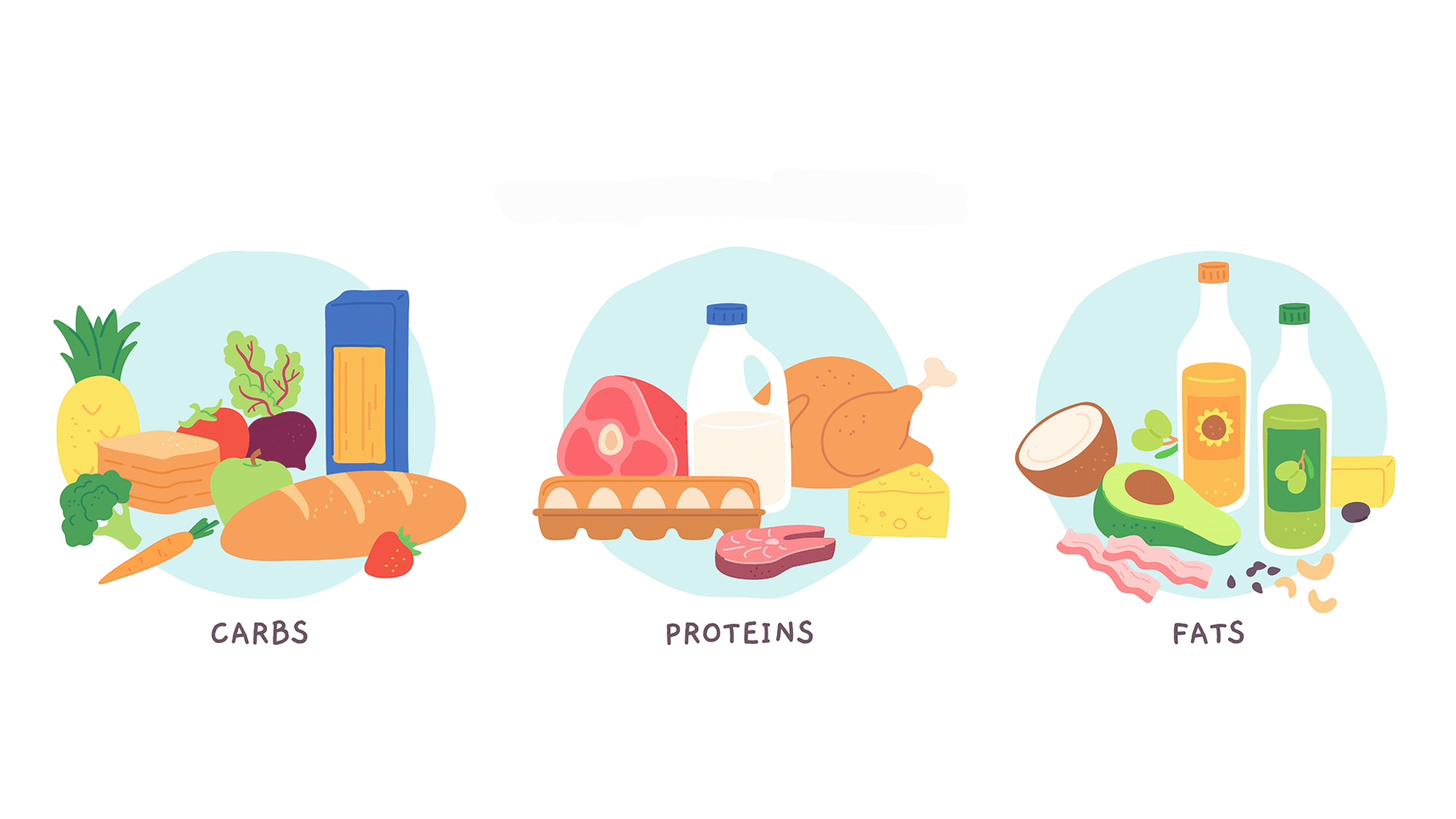
As discussed in the lesson Your Cells Don't Have A Mouth, all food has to be reduced to a few much simpler molecules to pass through the outer cell membrane wall to enter the cells to serve as nutrition. Most of these molecules fall into the following four groups: protein, vitamins, fats, and sugar. All four groups are critical to cell health, and many health problems arise from a deficiency in any one of the four groups. However, for various reasons, most people tend to get an adequate supply of protein, vitamins, and fats. When it comes to metabolic syndrome, obesity, and metabolic disease, it's all about the sugar.
The human body has an elaborate food processing and distribution system to bring protein, vitamins, fats, and carbohydrates directly into contact with the walls of the human cells. When discussing carbohydrates, we use terms like sugar, starch, and fiber. However, all three are just different forms of sugar. That’s right, almost everything, not protein, vitamins, and fats, is sugar. Broccoli? Sugar. Kale? Sugar. Bread? Sugar. Pasta? Sugar. You get the idea.
All carbohydrates, whether called sugar, starch, or fiber, are composed of glucose and must be broken down into glucose before they become nutritious to human cells.
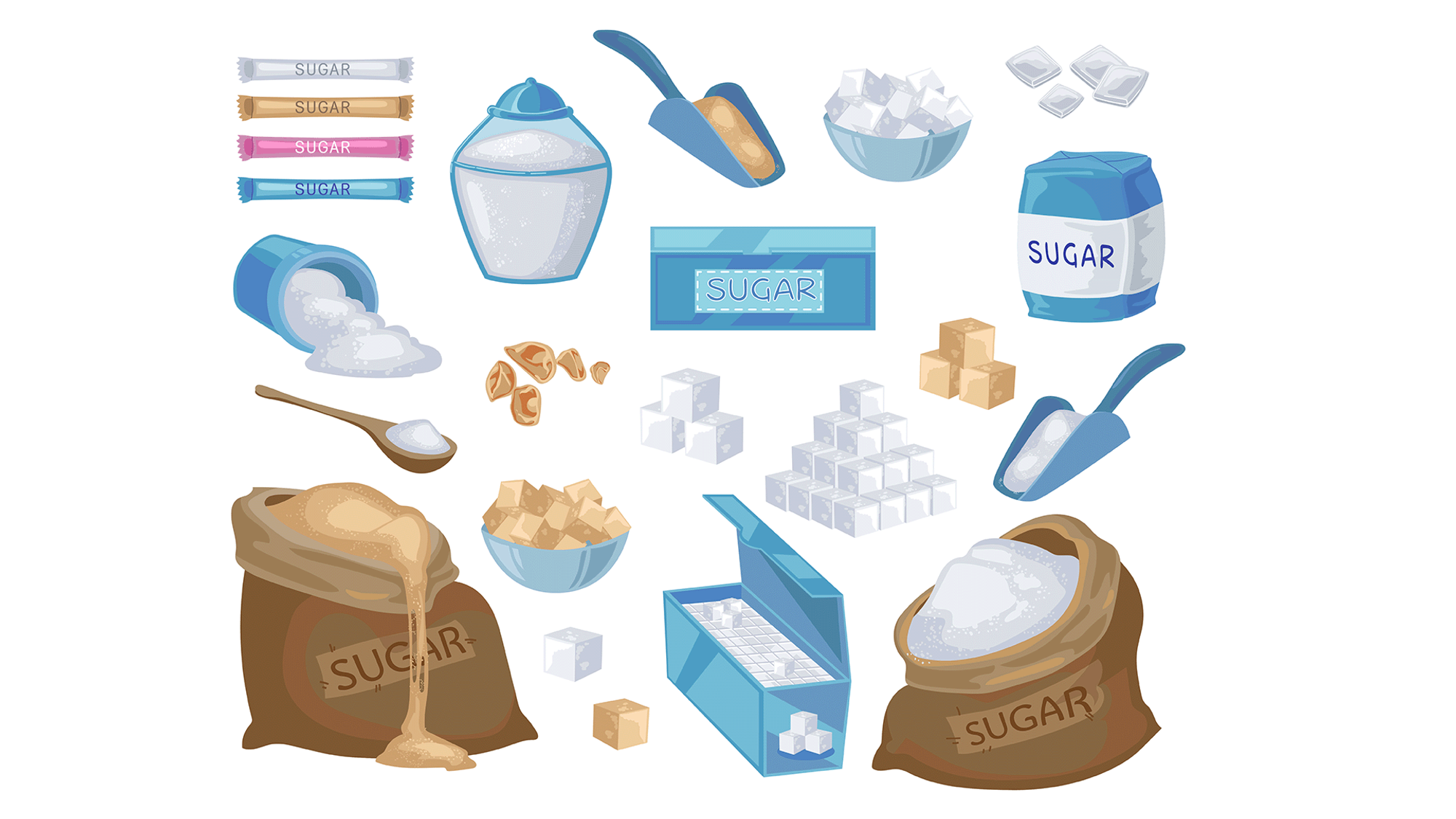
Discussions about sugar typically cause most people to start reminiscing about their high school chemistry class. We're going to keep that to a minimum and admittedly oversimplify. However, the goal is not a good grade on a chemistry test. The goal is to make better nutrition decisions.
Carbon, hydrogen, and oxygen atoms form molecules with distinct characteristics by combining them in various combinations, counts, and configurations. Nature, farmers, and the food industry are the master chemists who put these molecules together, and the human body, its bioreactor, and its microbes are the master chemists who pull them apart.
A basic understanding of how food molecules are put together and how they are pulled apart is essential to making good nutrition decisions. Yes, it's oversimplified, but it's a model that yields the same decisions made with a much deeper understanding.
Generally, carbohydrates exist on a continuum of increasingly complex combinations, counts, and configurations of glucose, collectively called compounds. At various points on this continuum, these compounds are called sugars, starches, and fibers. Sugars are relatively simple compounds of glucose, starches are more complex compounds of glucose, and fibers are very complex compounds of glucose. Notice a trend here? That's right, it's all glucose.
From the point of view of nutrition, sugars, starches, and fibers all break down into primary and secondary molecules. In all types of carbohydrates, the primary molecule is glucose. Scientists call this process of breaking down all types of carbohydrates into glucose hydrolysis.
Regarding nutrition, it is the secondary molecules resulting from hydrolysis that differentiate sugar, starch, and fiber. The more complex the compound of glucose molecules is, the more carbon, hydrogen, and oxygen molecules it has, the more secondary molecules are created by hydrolysis. Some of these secondary molecules are helpful, and some are harmful, and there are a vast number of them. The combinations and permutations of secondary molecules are almost incalculable.
Again, from the point of view of nutrition, primary and secondary molecules of hydrolysis have different effects depending on whether human cells or non-human cells of the microbiome are involved.
The result is a four-by-four matrix of the effects of the primary and secondary molecules on human and non-human cells. Understanding each of the four results of each of the four possibilities of the matrix is critical to good outcomes from nutrition decisions.
Human Cells and Primary Molecules.
As far as human cells are concerned, the principal interest regarding the primary hydrolysis molecule of glucose is how much glucose shows up at your cell membranes at any given time. As discussed in the lesson,Your Cells Don't Have A Mouth, a higher concentration of glucose molecules outside the cell wall will increase the flow of glucose into the cells.
If the inflow of glucose is more than the cells need, it can overload the cells' energy-generating system and cause damage. Scientists call this energy-generating system the mitochondria, and this damage is observable using a microscope as an abnormal shape and size of the mitochondria.
Mitochondrial damage leads to fatigue, a primary indicator of metabolic syndrome, obesity, and metabolic disease.
If the excess glucose exceeds what can pass through the cell wall, the glucose enters fat cells for long-term storage. If there are insufficient fat cells to store the excess glucose, the body makes and fills more fat cells.
Weight gain due to this fat storage is another primary indicator of metabolic syndrome, obesity, and metabolic disease.
Human Cells and Secondary Molecules.
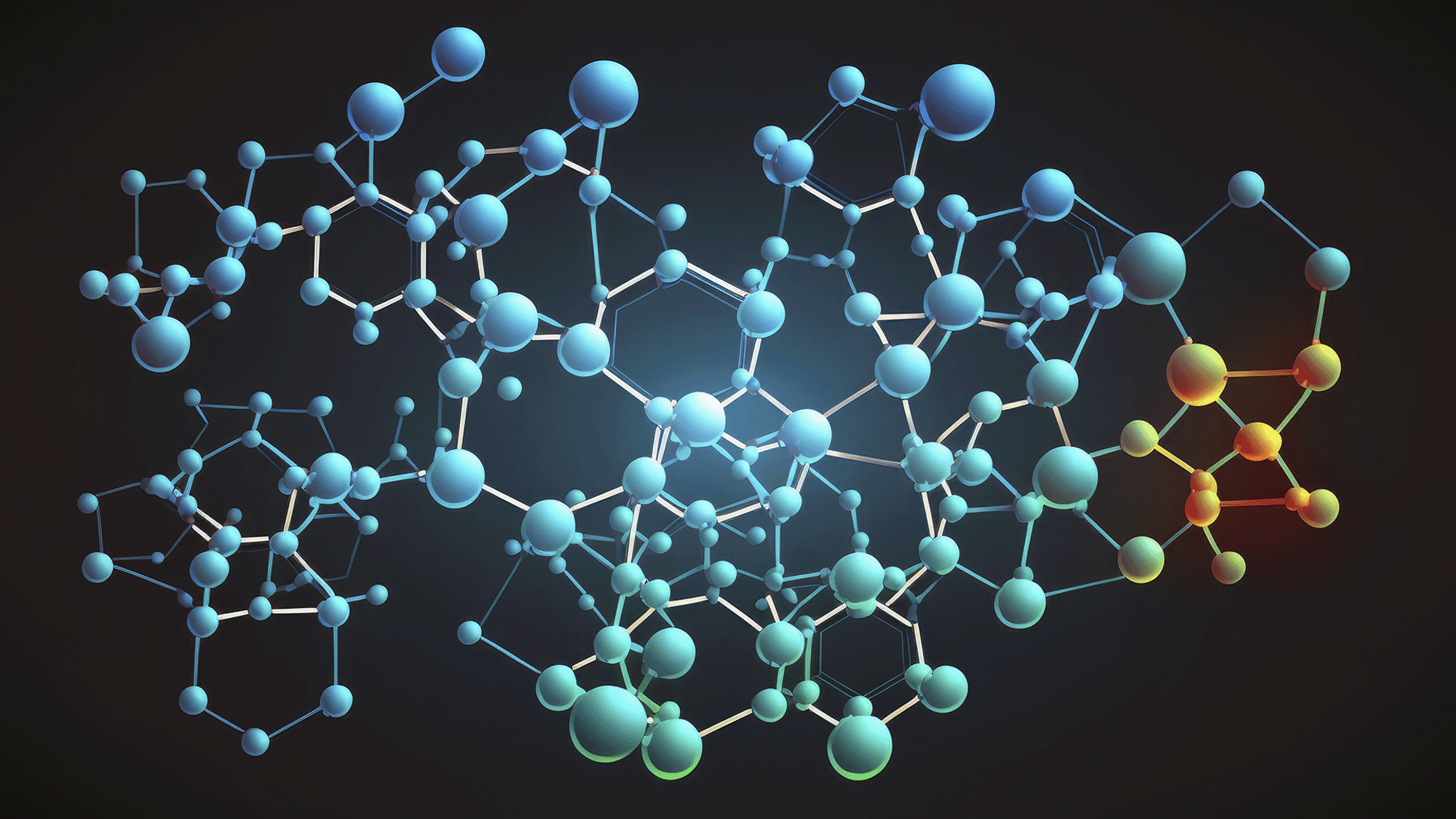
When hydrolysis breaks apart carbohydrates, the secondary molecules refer to everything that is not glucose. Further, hydrolysis may only partially break down these secondary molecules, resulting in other forms of sugars, starches, and fibers that are not yet broken down into glucose. Since they are not glucose, human cells can't use them for nutrition, but that doesn't mean they don't impact human cells.
Many of these secondary molecules consist of the remaining oxygen atoms, which the hydrolysis has caused to contain unpaired electrons. These unpaired electrons make these atoms highly reactive, which means they very much want to recombine with other atoms. In this case, these are primarily atoms of carbon and hydrogen. When these atoms combine because of the unpaired electrons, it is called oxidation. Oxidation often finds the carbon and hydrogen in the human body's tissues. However, combining oxygen with these carbon and hydrogen atoms can damage the tissues. In nutrition, the tissue damage from these chemical reactions is called oxidative stress or damage from free radicals. Therefore, a major source of oxidative stress is the hydrolysis of carbohydrates to produce glucose.
Foods that attempt to prevent or minimize this damage are called antioxidants. When you eat antioxidant food, the theory is that you supply extra carbon and hydrogen in the food, so the oxygen atoms don't try to recombine with carbon and hydrogen from tissues. The challenge of the antioxidant approach is continuously maintaining the balance of secondary molecule oxidation with the supply of antioxidant foods.
It's still being determined whether this theory protects tissues. Promoters of antioxidant foods and supplements seem to suggest this happens in the blood and tissues of the human body. However, since most of these oxidative stress reactions occur in the gut, it needs to be clarified how much antioxidants protect human tissue outside the bioreactor.
Nevertheless, the more complex the carbohydrate, the more hydrolysis must occur to produce glucose, and the more secondary molecules are produced. Many of these secondary molecules cause oxidative stress. Whether or not increased secondary molecules increase oxidative stress depends on whether they are neutralized by antioxidant foods or consumed as food by non-human cells.
If you have bioreactor dysfunction or dysbiosis, eat too many complex carbohydrates, and eat them at the wrong time of day, these secondary molecules are more likely harmful.
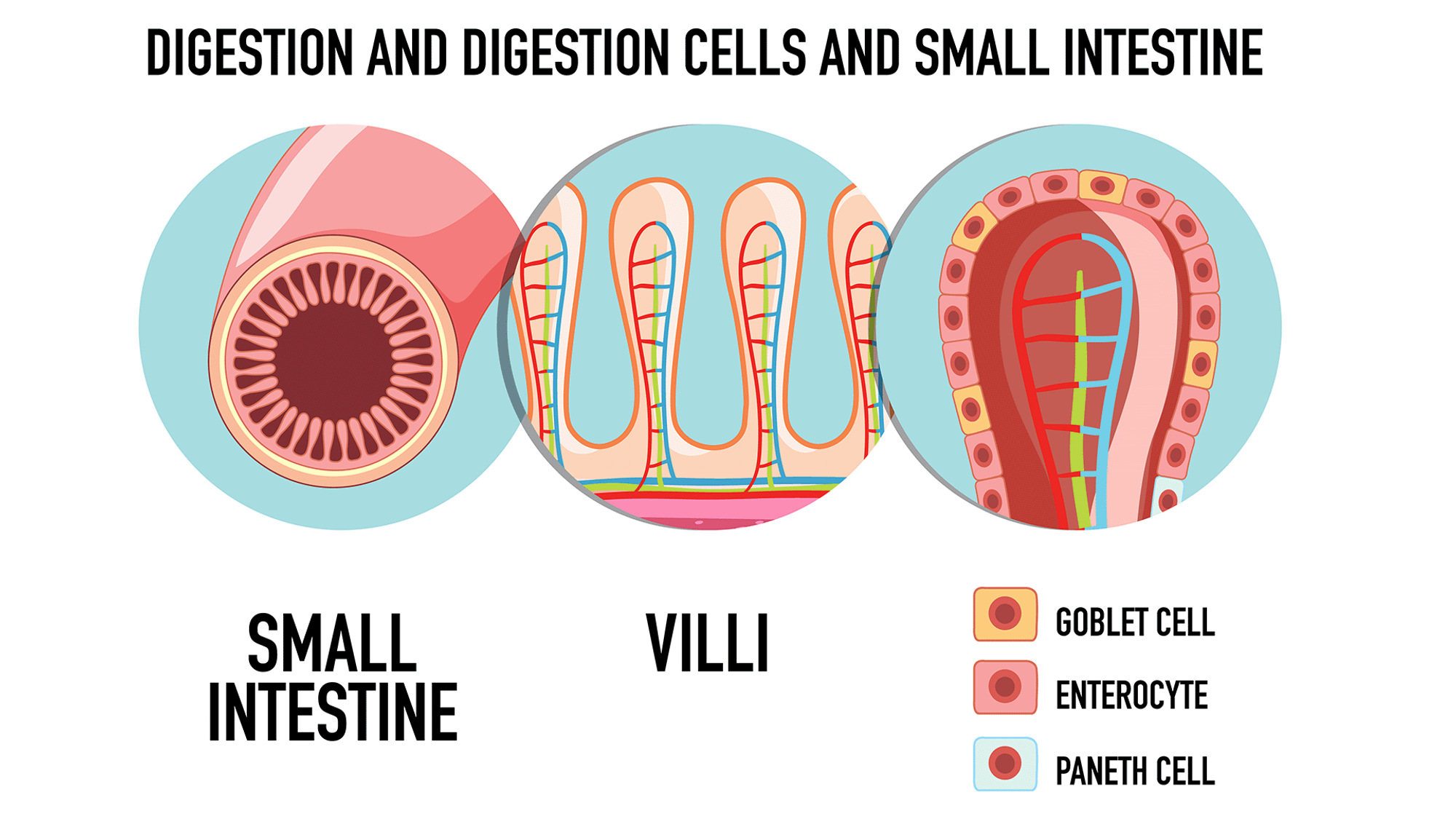
Oxidative tissue damage appears very similar to tissue damage caused by inflammation. Consequently, oxidation and inflammation are often used interchangeably in nutrition. However, nutrition impacts oxidation and inflammation by different processes. Oxidation is tissue damage caused by chemical reactions to sugar hydrolysis. Inflammation is tissue damage caused by the human immune system erroneously attacking human cells.
Nutrition-based oxidation is primarily the result of food choices as they affect sugar hydrolysis and occur mainly in the gut. Nutrition-based inflammation is primarily the result of bioreactor dysfunction caused by food and occurs throughout the body. They are related in that oxidation contributes to bioreactor tissue damage, leading to dysfunction.
Non-Human Cells and Primary Molecules.
Regarding non-human cells, the primary molecule glucose is food to only a tiny population of microbes in the microbiome ecosystem since these microbes compete with human cells for glucose. However, since the modern diet is full of carbohydrates, the bioreactor almost always has too much glucose. This is a severe problem because glucose that exceeds the ability of the bioreactor to deliver to human cells and is not consumed by glucose-eating microbes goes to the liver, where it becomes liver fat.
This liver fat displaces liver cells that remove waste from the blood and is a direct cause of severe liver disease. This resulting build-up of waste causes many health problems, including fatigue, which drives metabolic syndrome because it causes one to become sedentary.
Current estimates are that 80% of American adults have sufficient excess liver fat from this process to meet the standard for metabolic syndrome.
A popular probiotic is an excellent example of the interaction of secondary molecules and the microbiome ecosystem. Brewer's yeast (known as S. boulardii) consumes glucose and produces secondary molecules. Every pound of glucose the yeast consumes produces the secondary molecules of 1/3 pound of vinegar, 1/3 pound of CO2 gas, 1/3 pound of new yeast, and trace amounts of complex chemicals called fusel oils.
The vinegar lowers the pH in the gut fluids, discouraging the growth of some undesirable microbes. The odor-free CO2 helps keep everything mixed and moving, and the body uses the new yeast as protein. The fusel oils may be the building blocks of other chemicals used in the body. The more excess glucose this yeast consumes, the less glucose makes it to the liver to become liver fat.
Brewer's yeast is one of the very few probiotics proven to help avoid and reverse metabolic syndrome through these mechanisms.
Non-Human Cells and Secondary Molecules.
These secondary molecules of glucose hydrolysis provide the full spectrum of nutrition for microbes and create the environment of the microbiome's ecosystem. The ecosystem creates the secondary molecules, with each species of organism breaking the complex carbohydrates further and further into more and more simple sugars until all that remains is glucose and undigestible waste. This is discussed further in the lesson, You Breed What You Feed.
One reason we refer to the bioreactor as an ecosystem is the different species of microbes living in different zones of the bioreactor based on their neighbor microbes creating suitable nutrients for them through hydrolysis. The microbes that feed on the most complex sugars live at the beginning of the ecosystem, where the sugars are most complex.
As each species breaks down the sugars into less complex sugars, a new microbe takes up residence that thrives on the less complex sugars. This population distribution continues over the 22-foot length and 400+ square feet of the bioreactor. The lesson Meet Your New Critical Organ, the Bioreactor discusses this further.
Sugars and Starches and Fibers, Oh My!
When discussing really scary things in the really scary movie (to a 7-year-old anyway) Wizard of Oz, the heroes repeatedly chanted "Lions and Tigers and Bears, Oh My!" to calm their biggest fears. We're repurposing that chant for the really scary things in nutrition.
Any food that is not protein, vitamins, and fats and is a non-glucose carbohydrate undergoes hydrolysis and is potentially harmful and toxic above a threshold typically routinely exceeded in the American diet. But this is NOT to say a Keto, Low-Carb, or Paleo diet is good. It's to say that too much sugar, starches, and fiber is bad (yes, fiber, too!).
On the continuum of increasingly complex glucose molecules, scientists use naming conventions of chemistry to classify molecules as sugars, starches, and fibers. However, from the point of view of the microbiome ecosystem, these naming conventions are somewhat arbitrary.
For example, the simplest sugar is glucose, comprised of a single glucose molecule. The next more complex molecule is dextrose, which consists of two glucose molecules, which, regarding the microbiome, is a distinction without a difference. The sugar molecules get increasingly complex with sucrose (table sugar), maltose beer, lactose (dairy), fructose (fruit), natural combinations like maple syrup and honey (glucose and fructose), and so on.
The first thing to learn about all sugars is that they are threshold toxins. Sugar is safe and beneficial up to a threshold. After that threshold, sugar is toxic. These thresholds differ by sugar type and quantity, but they apply to all forms of sugar, including pure glucose.
This toxicity comes in many forms, including liver fat and tissue damage due to secondary molecule oxidation and inflammation. Science is working hard to define these limits more precisely, but the average American diet is clearly well into the toxic zone for sugars.
One sugar, fructose, has been the subject of extensive study because its toxic threshold has proven easy to identify and quantify. Fructose is often referred to as fruit sugar because it occurs mostly in nature in fruit. Throughout evolution, the human body uses this sugar, in particular, to store fat for an upcoming seasonal nutrition deficit. Fruit is energy-dense and seasonal, and its availability precedes winter, a season characterized by nutrition shortages.
The genes that favored turning fruit into fat that allowed survival through a time of nutrition scarcity were certainly favored by evolution. The human ability to store fat also allowed traveling from nutrition-scarce regions to new nutrition-abundant regions, again favoring survival.
As a result, fructose tends to get past the gauntlet of microbes in the bioreactor and get to the liver, where it is stored as liver fat. This is good if you do extreme physical activity during a time of nutrition scarcity. But if you're sedentary at a time of nutrition abundance, fructose's tendency to become liver fat is a health disaster. And there is more bad news about fructose and the liver. If you give the body too much glucose, it will make its own fructose and send it to the liver.
With a healthy bioreactor and no dysbiosis, research indicates the microbiome can process up to seven grams of fructose a day and does not become liver fat. Ordinary table sugar (sucrose) is ½ fructose, meaning 14 grams (or less than four teaspoons) of table sugar (which is seven grams of fructose), is toxic to the liver. One sugar-sweetened soft drink, fruit juice, sports drink, or single-serving cup of "healthy" yogurt can exceed this toxic threshold.
Seven grams is the toxicity threshold for fructose with a healthy bioreactor and no dysbiosis. The threshold lowers as bioreactor dysfunction and dysbiosis get worse. You can see the vicious circle we can get caught up in.
The more we exceed the fructose threshold, the more damage to the bioreactor and microbiome, and the lower the safety threshold becomes because less fructose is processed in the gut, and more gets to the liver to become liver fat.
But I Thought Fruit Was Good For You.
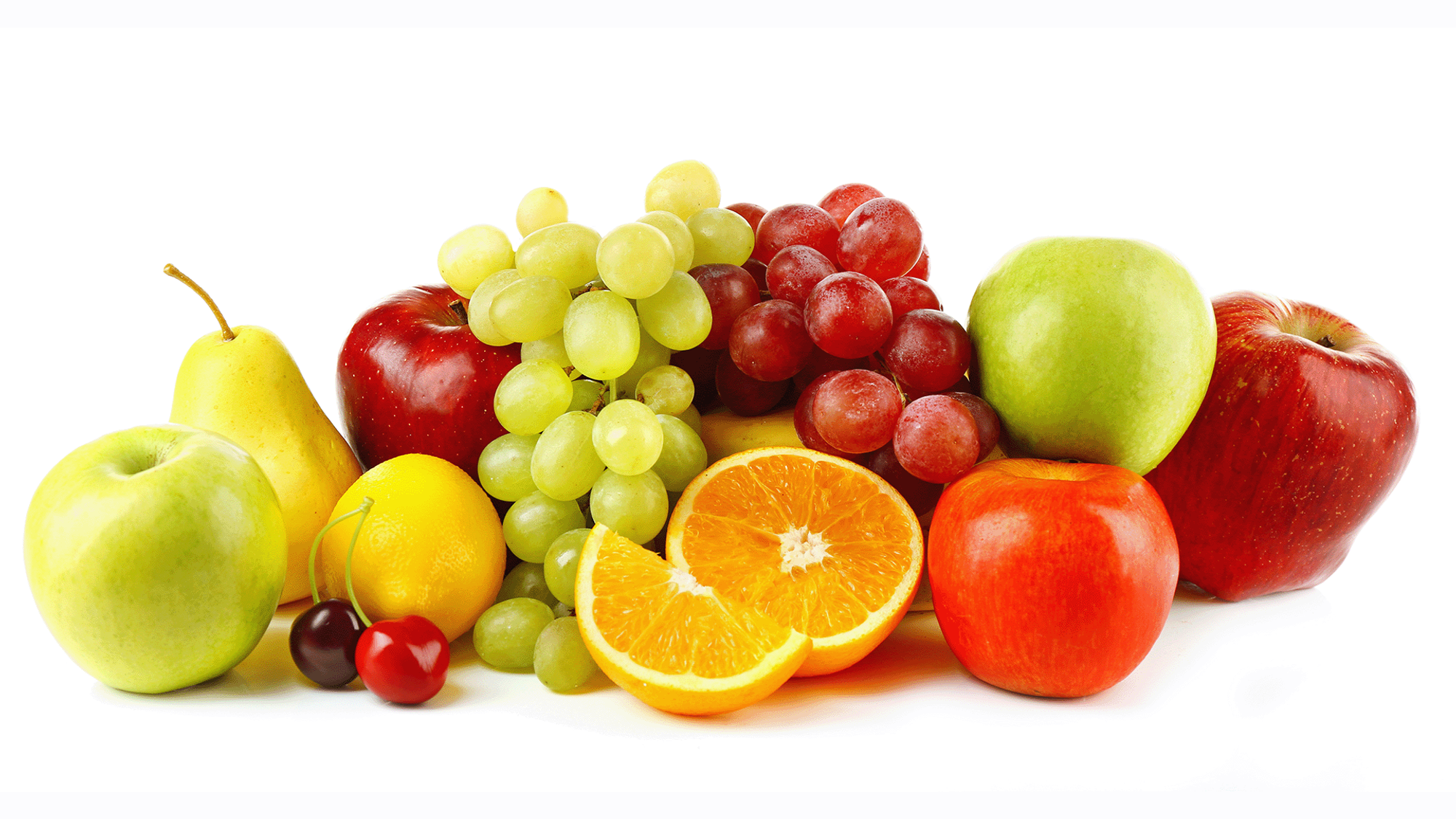
It is. Fructose is the fruit sugar, and fruit is healthy, right? Surely you mean only the high fructose corn sugar in factory food is bad, and not fruit. Yes and no. Fructose is fructose whether from an orange or made in a factory from corn. If you exceed the toxicity threshold, fructose is harmful. Full stop.
However, there is more to exceeding the toxicity threshold than just the absolute amount of fructose consumed. It's also about how well fructose is processed in the bioreactor so it doesn't get to the liver. When the fructose is delivered slowly with fiber and other nutrients, the microbes have much more time and support to process the fructose. When fructose is delivered as a liquid in a beverage or smoothie, it passes through the bioreactor much more quickly and is less likely to be processed by the microbes and as a result, get to the liver. Fructose in baked goods, creams, and sauces is not as good as fruit, but not as bad as liquids.
A safe amount of fructose for someone with a healthy bioreactor and no dysbiosis who consumes fructose as a solid in natural food has a much higher toxicity threshold than someone with bioreactor dysfunction and dysbiosis who consumes fructose as a liquid in a smoothie, fruit juice, or sports drink.
Remember that in the American diet, most fructose comes from sucrose (table sugar) and high fructose corn sugar added to factory food. But it wasn't always like this. Americans started consuming a majority of their calories from factory food in the 1950s.
In the twenty years between the mid-1950s and the mid-1970s, the rates of metabolic syndrome, obesity, and metabolic disease did not rise significantly, even though factory food consumption did rise significantly. However, between the mid-1970s and now, metabolic syndrome, obesity, and metabolic disease have skyrocketed with no significant change in eating patterns.
What has changed? Factory food has changed. There were many changes, many of them bad. But the elephant in the room was that factory food changed the type of sweetener they added to food.
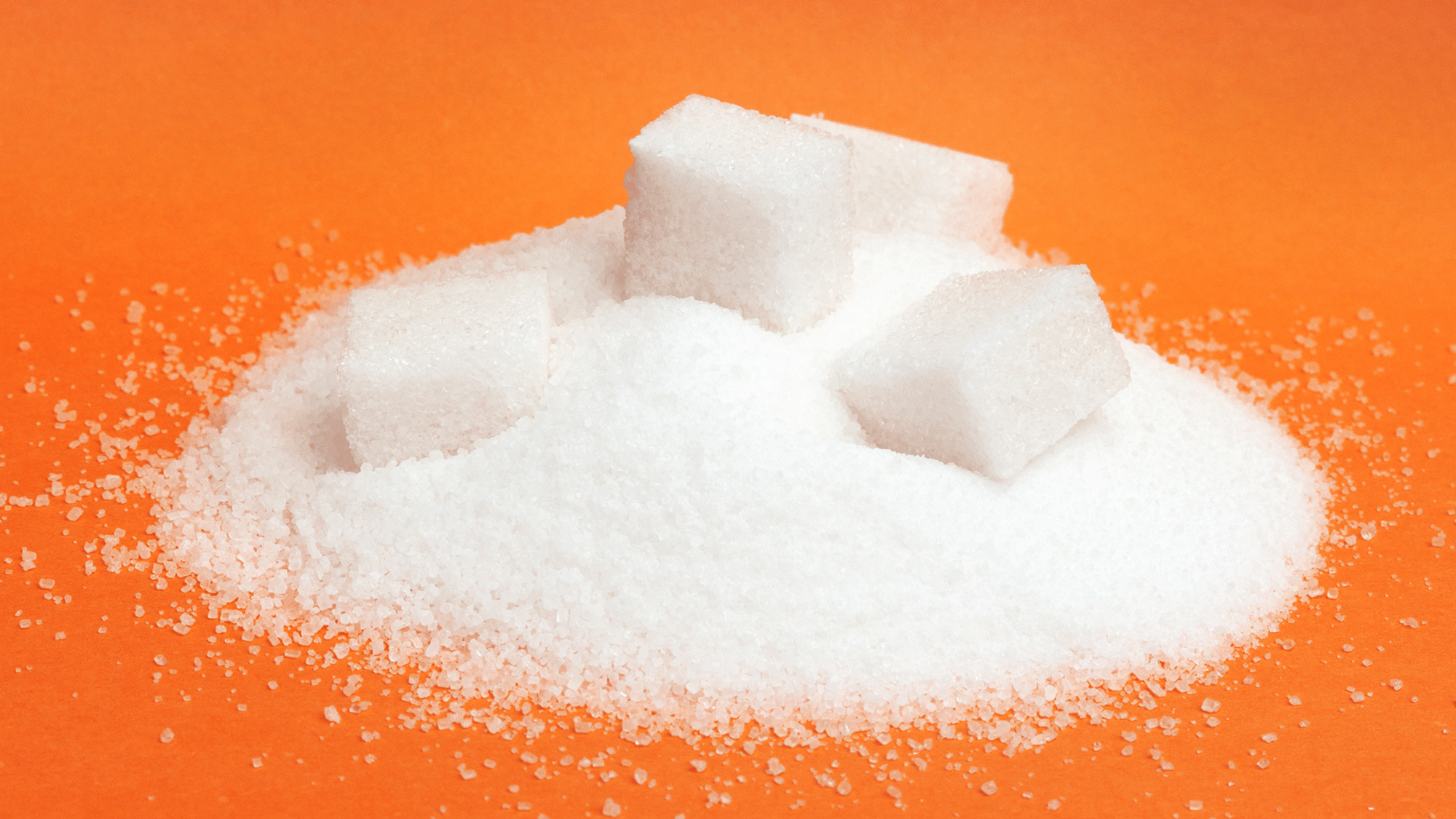
Until the mid-1970s, the primary sweetener in factory food was dextrose, which is basically powdered glucose. After the mid-1970s, the primary sweetener became fructose and sucrose, which is half fructose.
Why the switch? The obvious answer is fructose and sucrose taste sweeter per dollar of production cost. Less obvious and more compelling is that dextrose is a material handling nightmare in a factory setting. It is a very fine powder, much like confectioners' sugar, and it loves to combine with water, making it very subject to clumping in high humidity. As the food factories moved south for lower labor costs, the high-humidity climate became an increasing problem for dextrose.
While science has made great strides in proving the harm of fructose, there is likely more wrong with our food than just fructose, given the severity of metabolic syndrome, obesity, and metabolic disease. Since the mid-1970s, there has also been an extraordinary increase in the use of other complex sugars, additives, thickeners, emulsifiers, preservatives, and harmful oils in factory food.
Nevertheless, it is not an exaggeration to say the metabolic syndrome, obesity, and metabolic disease crisis today is the result of factory food improving the materials handling of their factories. It is also not an oversimplification to say that the single most impactful change that could be made to stem the metabolic syndrome, obesity, and metabolic disease crisis is to return all factory food back to using dextrose, a simple sugar made entirely of glucose significantly reducing the secondary molecules of hydrolysis.
When you start to understand the bioreactor, microbiome ecosystem, and hydrolysis, it seems very reasonable to eliminate other complex sugars, additives, thickeners, and emulsifiers, which are often very similar to very complex sugars and starches.
But I Thought Fiber Was Good For You.
It is, but fiber is a two-sided coin. Fiber comes in two forms: soluble and insoluble. Soluble fiber can be broken down by hydrolysis into secondary molecules, while insoluble fiber cannot be broken down in the bioreactor.
On the good side, soluble fiber is a preferred nutrient for the microbes that make the all-important small-chain fatty acid molecules that make up some of the body's most vital chemistry. The secondary molecules from the fiber hydrolysis are also the preferred nutrients of many of the other microbes of the bioreactor ecosystem.
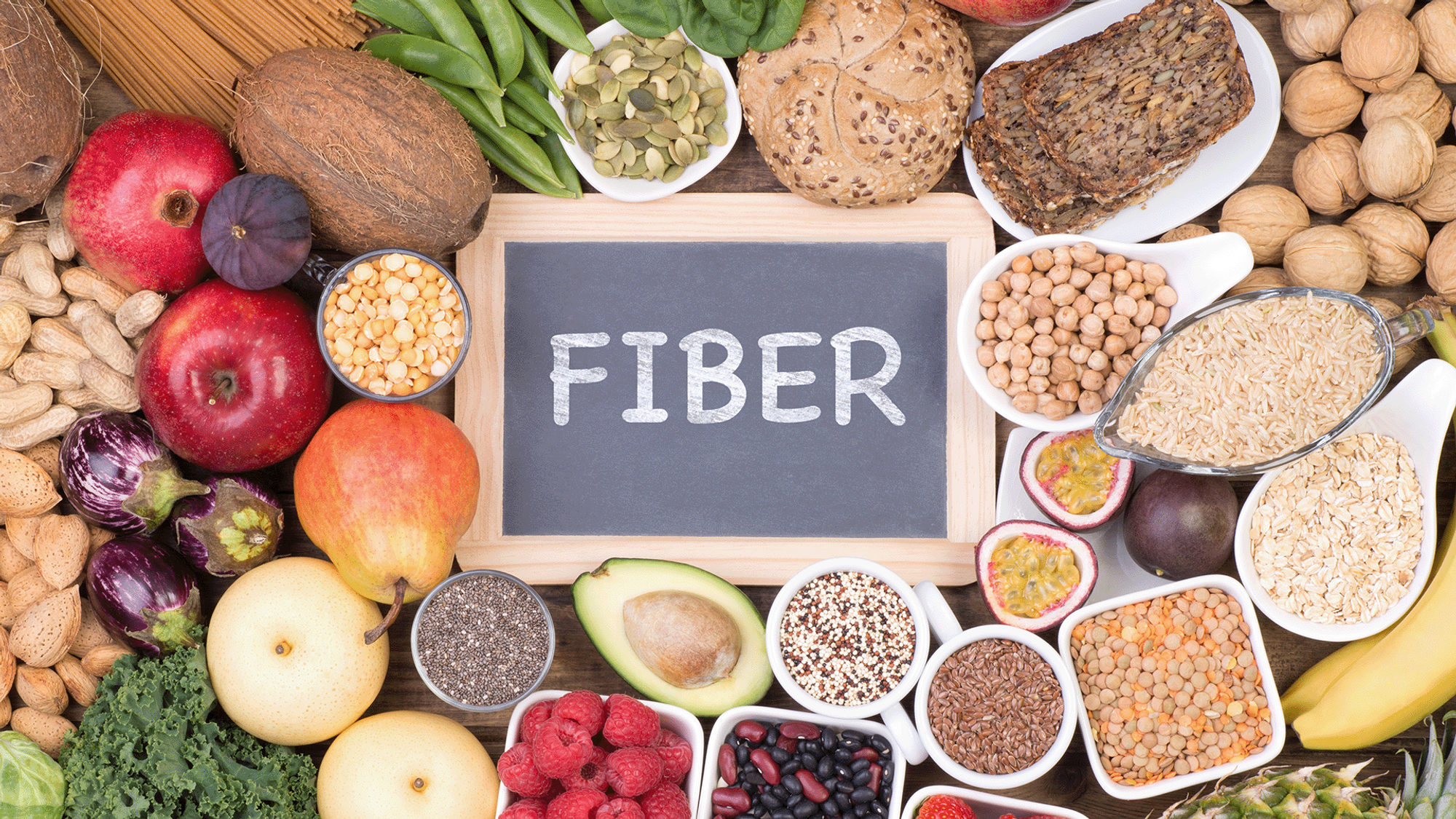
Also, on the good side, insoluble fiber is used by the bioreactor to form the critical mucus layer that regulates the movement of fluids and nutrients through the bioreactor wall membrane to the capillaries and prevents the gut fluids from continuing into the bloodstream. Insoluble fiber is also a basic building block of the lattice structure that critical microbes use to attach to the bioreactor.
On the bad side, not all the secondary molecules of soluble fiber are beneficial. Many secondary molecules of the hydrolysis of soluble fiber add to the oxidative stress on tissue and are the preferred nutrition of harmful microbes. Until science completes the Human Microbiome Project, we are limited to using experience to try to determine the optimal use of fiber in nutrition. The lesson You Breed What You Feed will discuss this in more detail.
Sweet Is The Spice Of Life.
Nutrimatters does not believe an answer to metabolic syndrome, obesity, and metabolic disease is to give up the joys of sweetness in food. Nature gave us the ability to taste sweetness for a reason. Sugar is pleasurable and the fastest and simplest means to get energy into the body. However, the type of sugar, the quantity of sugar, and when you eat the sugar make a significant difference in whether consuming sweetened food is harmful or beneficial.
The most common sugars in the American diet are sucrose (table sugar), maltose beer, lactose (dairy), fructose (fruit), and natural combinations like maple syrup and honey (both are roughly half glucose and half fructose).
When adding sugar to food, substitute dextrose (100% glucose) for sucrose and fructose. Eat fruit, but recognize it is adding to your overall fructose load, so eat less of the sugars that contain fructose in other foods. Since syrup and honey are roughly 50% glucose and 50% fructose, they should be used sparingly and account for their use in avoiding the fructose toxicity threshold. Maltose and lactose are complex sugars and should be avoided.
However, there is a significant exception with lactose, the dairy sugar. A microbe of the microbiome produces an enzyme called lactase that breaks down 100% of the complex lactose sugar into simple glucose sugar. Many people lack this microbe in sufficient quantity to make enough lactase, making it hard to hydrolyze the lactose. This causes illness and discomfort called lactose intolerance.
Everyone benefits from hydrolyzing lactose to glucose, even if they feel no symptoms of lactose intolerance. Lactose-free dairy is simply dairy where the producer has added the lactase enzyme for you. Therefore, the sugar in lactose-free milk is converted to glucose from lactose, making dairy eligible as a simple glucose sugar food.
There are dozens of other sugars, nutritive sweeteners, and sugar alcohols. Not enough is known about how these sugars impact secondary molecules and which microbes consider them their preferred food. With the low cost, sweetness, deep understanding of dextrose, and decades of use by millions, it just doesn't make sense to experiment with the other complex sugars.
Actionable Knowledge
- All carbohydrates, whether called sugar, starch, or fiber, are composed of glucose and must be broken down into glucose before they become nutritious to human cells.
- Generally, carbohydrates exist on a continuum of increasingly complex combinations, counts, and configurations of glucose, collectively called compounds. At various points on this continuum, these compounds are called sugars, starches, and fibers. Sugars are relatively simple compounds of glucose, starches are more complex compounds of glucose, and fibers are very complex compounds of glucose. Notice a trend here? That's right, it's all glucose.
- Any food that is not protein, vitamins, and fats and is a non-glucose carbohydrate undergoes hydrolysis and is potentially harmful and toxic above a threshold typically routinely exceeded in the American diet. But this is NOT to say a Keto, Low-Carb, or Paleo diet is good. It's to say that too much sugar, starches, and fiber is bad (yes, fiber, too!).
- When you start to understand the bioreactor, microbiome ecosystem, and hydrolysis, it seems very reasonable to eliminate other complex sugars, additives, thickeners, and emulsifiers, which are often very similar to very complex sugars and starches.
Article Top Sponsors

 Donate to Help Improve Articles
 Last Updated 07.16.26 09:38 AM ET