Article No. 13
It’s What You Don’t Do That Counts. - Read 25 Min.
Eating Bad Food Impacts More Than Eating Good.
Top Sponsors of this Article
 Your Name - Your Organization Your Name - Your Organization Your Name - Your Organization Your Name - Your Organization
Table of Contents
Avoid what's toxic to you and your microbes.
Things Have Changed.
In the modern nutrient-rich diet, what you don't eat is more important than what you do eat. Then why is all the focus on what you do eat? The current focus on eating healthy foods is a holdover from times when a shortage of nutrients is what was unhealthy. Also, it's a lot harder to make money by telling people what not to buy and eat.
Throughout almost all of history, humans have existed in a state of nutritional scarcity. Getting nutrition into the body is hard-wired into our biochemistry and thinking. Only in the last 100 years or so have we begun to transition from nutritional scarcity to nutritional abundance, and then not everywhere for everybody. That's only slightly more than three generations. That is not very much time to change the habits regarding something so fundamental as eating. If the witticism popularized by the German scientist Max Plank that "True change happens one funeral at a time", is true, it is not surprising that our thinking regarding nutrition has been slow to change.
Further, when it became clear that nutrition would be reliably abundant, the focus shifted from acquiring anything edible for survival to making optimal food choices to avoid illness and improve health. Optimal was defined in terms of convenience, cost, satisfaction, and health. As a result, people became even more focused on optimizing from abundant choices rather than meeting the minimum requirements to survive.

Initially, this transition from nutrition scarcity to nutrition abundance was mostly positive. The modern factory automation processes pioneered by Henry Ford came to the kitchen, and factory food was born. For the post-World War II generation, the twenty-five years between the 1950s and the mid-1970s marked the golden age of American nutrition. Food was convenient and affordable, immensely satisfying, and nutrition-deficient disorders largely disappeared. Most importantly for our discussion, there was no significant increase in per capita metabolic syndrome, obesity, and metabolic disease.
However, as a lyric from a beloved Bob Dylan song goes, "I used to care, but things have changed." Factory food used to care about making nutrition more accessible with minimal compromise, but things have changed.
Beginning in the mid-1970s, as documented by Dr. Richard J. Johnson in his book Nature Wants Us To Be Fat, the rate of metabolic syndrome, obesity, and metabolic disease began to increase significantly. Fifty years later, metabolic conditions are a crisis, with Dr. Robert Lustig, in his book Metabolical, estimating that 80% of Americans are somewhere on the continuum of metabolic syndrome, obesity, and metabolic disease.
More than half of all Americans will be obese by 2030, full stop. That's right; more Americans will be sick with metabolic conditions than will be healthy. It is unprecedented in our history for more Americans to be sick than are healthy for any clinically identified health condition.
What changed? Did the people's biology change in a few generations? Did people rapidly lose their character, willpower, or discipline? Did they become more ignorant and less educated? Did life get substantially more stressful? Are they more susceptible to the temptations of a hedonic lifestyle? The new science clarifies that people didn't change in just a few generations, at least not significantly. The food they were eating changed, as did how and when they were eating it.
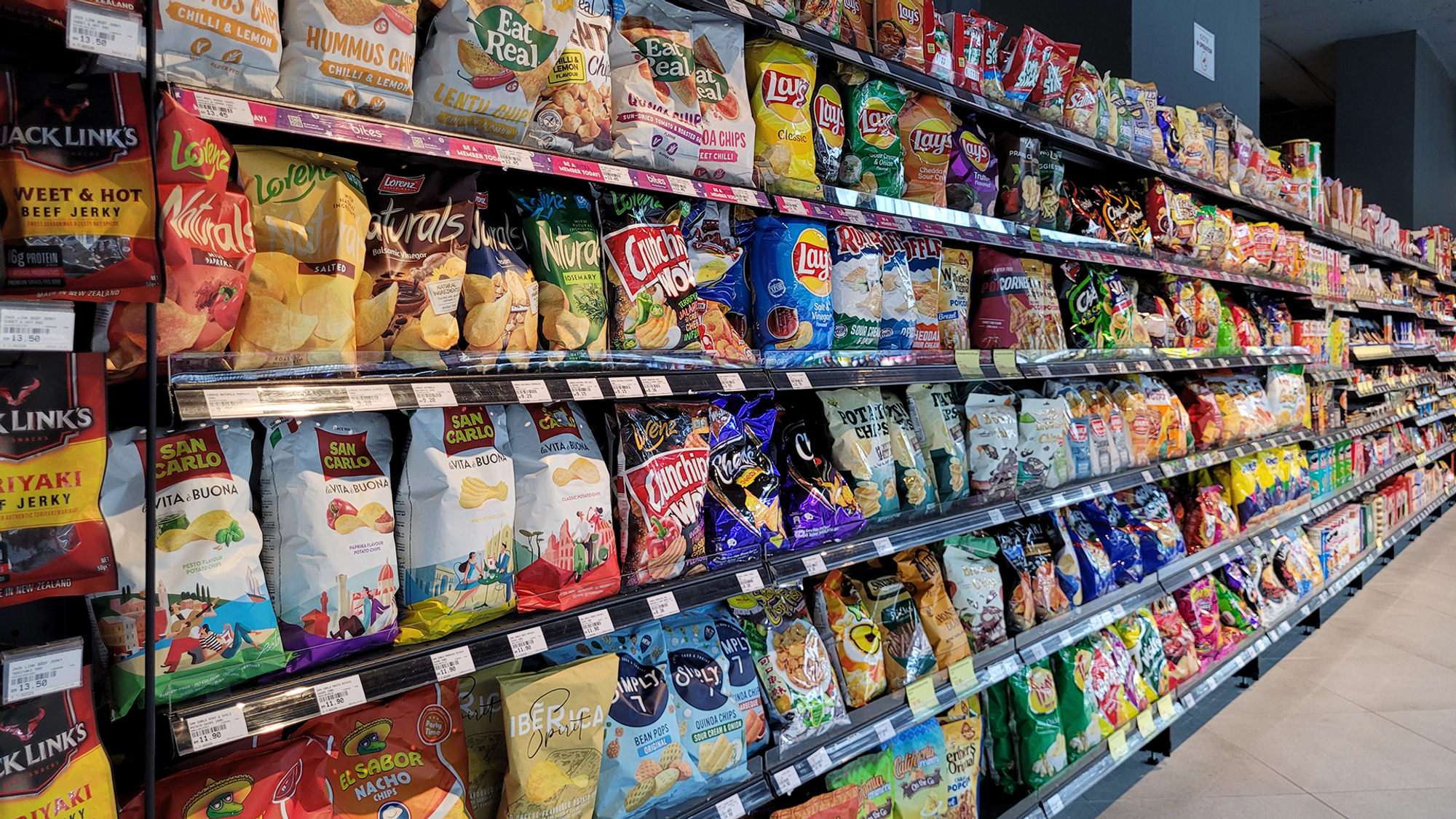
The discussion about these changes begins with a comment on terminology. Many scientists and food experts say we now eat substantially more "processed" and "ultra-processed" foods. Dr. Chris van Tulleken's book Ultra Processed People documents this brilliantly. Nutrimatters believes the factory food industry perpetuates the terms "processed" and "ultra-processed" to increase confusion and gain acceptance of harmful food under the "processed" label as food that's not as bad as an "ultra-processed" label. The time, resources, and attention spent defining these distinctions and arguing what foods go under what label, processed or ultra-processed, is just a distraction.
Nutrimatters believes this is not a nuanced issue, and the science is decisive once you add bioreactor dysfunction and dysbiosis to the analysis. Suppose the food has added complex sugars, preservatives, emulsifiers, thickeners, additives, and transformed oils and fats designed to make food travel long distances with a long shelf life, mask inferior ingredients, and enhance flavors to encourage dependence. In that case, it's harmful and should be identified by only one label, "factory food.”

Further, Nutrimatters does not champion a particular "healthy diet" such as Low-Carb, Keto, Paleo, Mediterranean, Vegan, Vegetarian, Plant-Based, Adkins, DASH, etc., because it all depends on the disposition of your bioreactor and microbiome. Also, almost all diets can be healthy or unhealthy for an individual depending on the food’s diversity, how the food is processed, and what is added to the food. As Dr. Lustig often says in his book Metabolical, "It is not the food; it's what's been done to the food" that counts.
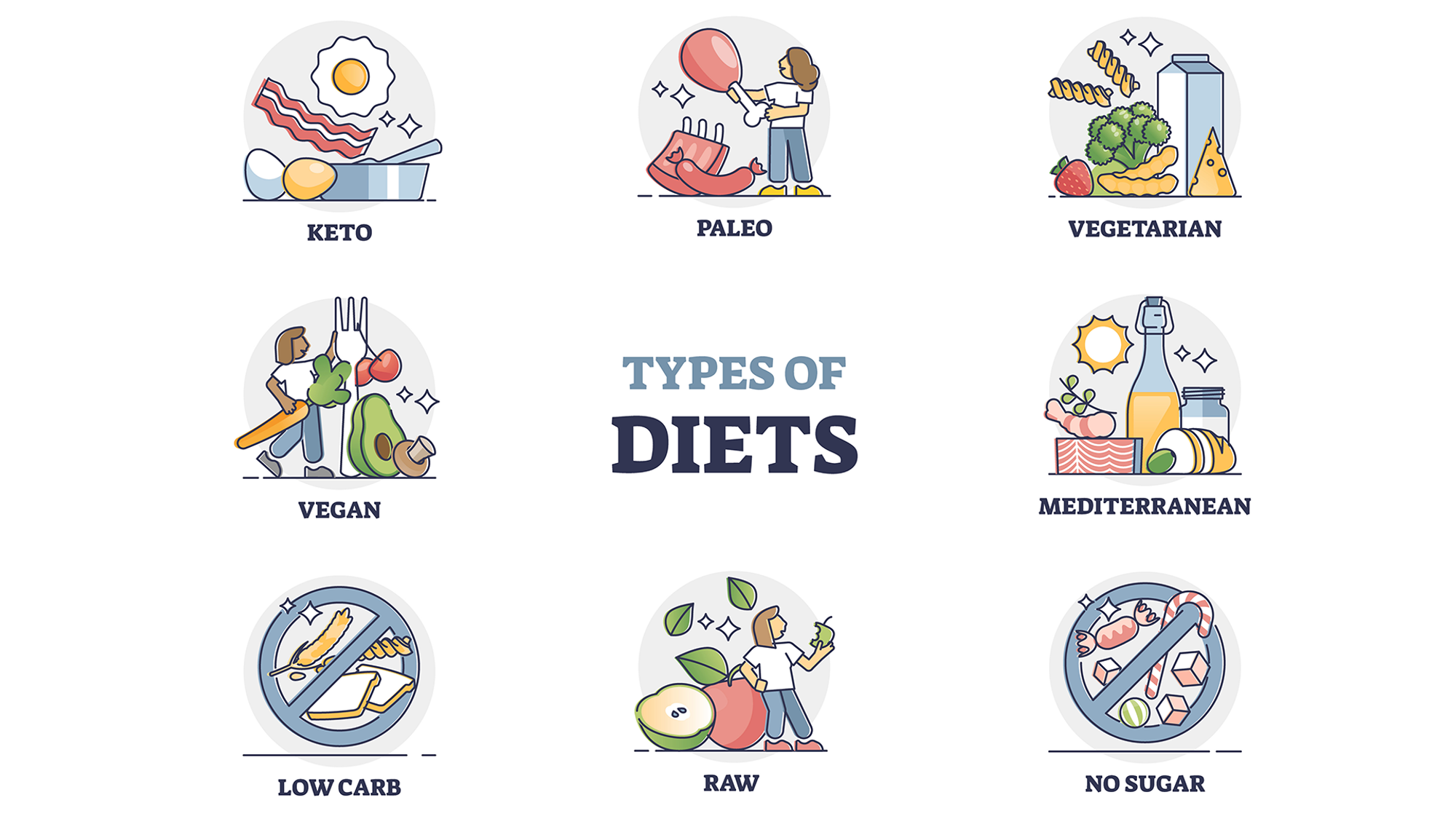
Further, all these diets are primarily designed for temporary weight loss, not permanently avoiding and reversing bioreactor dysfunction and dysbiosis. We now know it is essential that the food choices in your diet are not harmful to the bioreactor and microbiome.
You will likely be unable to permanently lose weight and avoid a metabolic condition regardless of diet preference without first restoring your bioreactor and microbiome to a healthy condition.
Eating and drinking choices used to be easy. Since most people lived in small communities, they knew first-hand how food choices and preparations affected health. You didn't eat or drink anything that made people around you sick. Generational knowledge about food was shared, which also helped with conditions that took years to develop and be observed. Many modern religious practices align well with safe eating practices and were observed for hundreds, even thousands of years, long before they were confirmed by food science.
The FDA, a Space Odyssey.
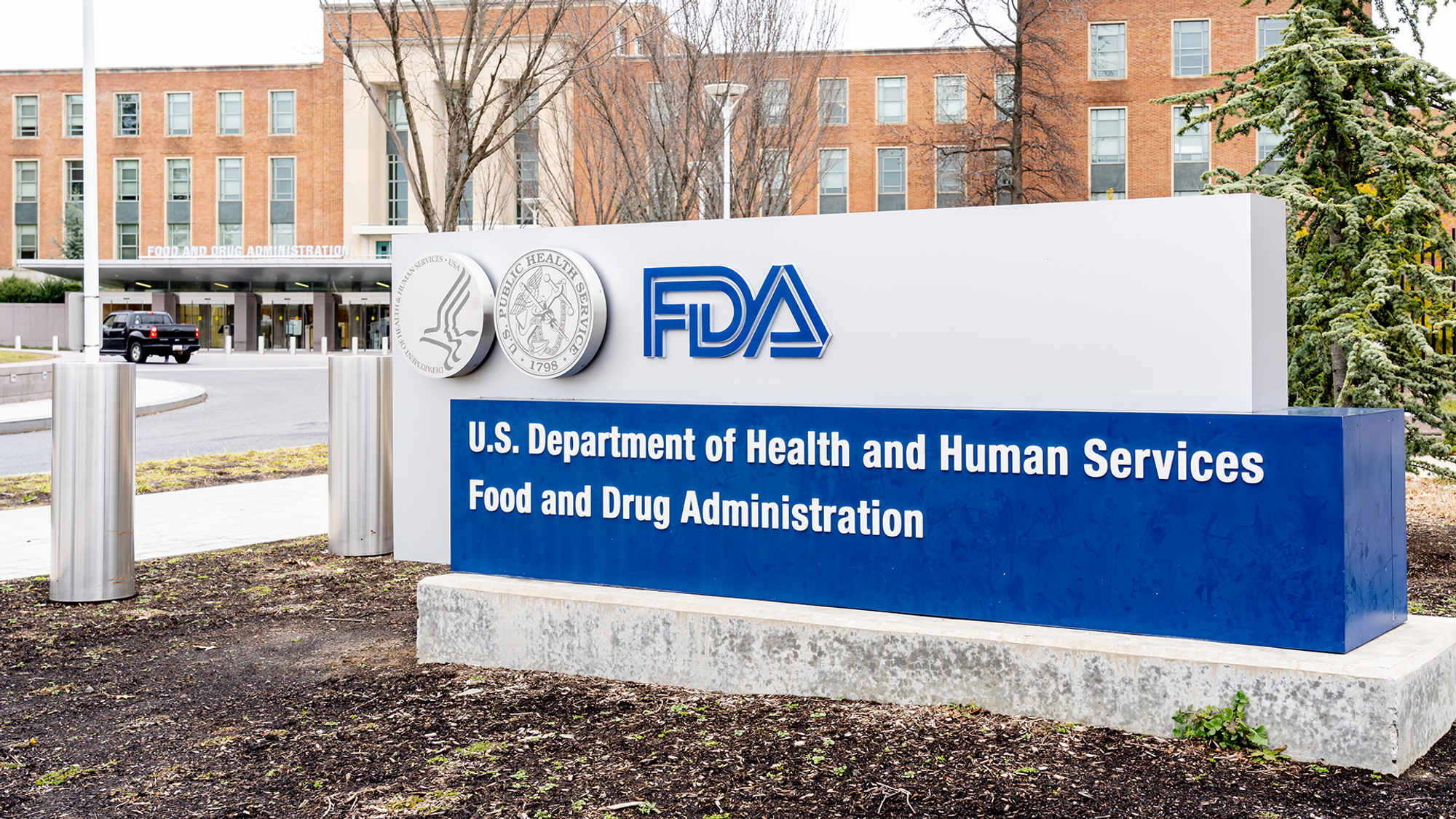
As communities grew more extensive and mobile, people had to rely on strangers to tell them how food and food preparations affected their health. Today, one of the most important of these strangers is the United States Food and Drug Administration (FDA). To understand the FDA, you must understand the movie 2001: A Space Odyssey.
Of course, no one initially understood the movie 2001: A Space Odyssey, so they made another movie 2010: The Year We Make Contact to explain it. The critical unexplained plot twist in the movie 2001 was why the ship's main computer, named Hal (each letter of which is the letter before the letters IBM), seriously malfunctioned and started killing the crew.

The movie 2010 explains that Hal seriously malfunctioned because he was programmed with mutually exclusive goals. Mutually exclusive goals mean that you undermine the ability to accomplish one goal by accomplishing the other goal. The two conflicting goals that caused Hal's meltdown were 1) always telling the truth to the crew and 2) never telling the crew the true nature of the mission (investigating alien life signs).
Hal's inability to reconcile these conflicting goals led to eliminating the crew to resolve the goals conflict. Hal calculated that without the crew, there would be no need to lie or withhold information.
It's the same with the FDA, which operates under the mutually exclusive goals of 1) keeping food safe and nutritious and 2) keeping food affordable and abundant.
Of course, these goals are buried in dozens of laws, thousands of regulations, and many more administrative decisions, but the results of FDA actions are clear: they try to deliver on both these goals simultaneously. It is well known that safety and affordability are mutually exclusive goals in most manufactured things, such as planes, trains, and automobiles. Manufactured food is no different.
We can only hope the FDA is not using metabolic conditions to execute the same killing-the-crew solution Hal used to reconcile mutually exclusive goals.
One of the more telling proofs that safety and affordability are mutually exclusive goals at the FDA is the fact that food additives are approved with a vastly less rigorous safety standard than drugs. Since they are both largely manufactured, taken into the body, and significantly affect health, this dichotomy is curious at best. Undoubtedly, an effort to require that anything added to food must face the same safety testing as drugs would be considered absurd due to the extraordinary cost.
However, if safety were the only goal, every molecule engineered to enter the body at an effective level would undergo the same safety testing, whether it happens to be called a food additive or a drug.
In the lesson, It's the Liver… Stupid! there is a detailed account of the discovery of the statin molecule in food that has become a billion-dollar drug to reduce LDL lipids to help prevent heart disease. Essentially, a naturally occurring food ingredient was discovered that profoundly modified the functions of the liver, significantly impacting a critical disease.
In this case, the food molecule had a beneficial effect. However, the overarching discovery was how natural ingredients in food can profoundly affect the body through mechanisms of the liver. It took decades and billions to prove the effects of just one food molecule, so it's not likely all the potential beneficial and harmful molecules in food will be identified anytime soon without a sea change in FDA thinking.
The well-supported research relationship between calorie restriction and improved longevity may not be due to reduced metabolism due to restricted calories but rather to the fact that when you're generally eating less overall, you are also eating fewer harmful foods.
The factory food industry and the FDA must compromise safety to meet the other goal of keeping food abundant and affordable. They must assume that unless you can scientifically prove every component of the harm for every additive, the food additive is what the FDA calls Generally Recognized as Safe or GRAS.
Generally Recognized as Not Enough (GRANE).
Anything can be added to factory food if it complies with GRAS. GRAS means that if an additive was widely used before 1958, or there was no underlying science giving a concern, and there was no strong evidence of significant harm, it was GRAS and could be added to foods without comprehensive safety testing. The 1958 grandfathering of many additives is likely a recognition that additives were much safer in the early days of factory food.
A central problem with GRAS is that the "harm" focused on relatively high clinical threshold levels of serious diseases, such as cancer, or changes in the body known to be associated with these diseases. GRAS doesn't consider harm that hasn't yet reached the clinical threshold for disease.
Take a minute to reflect on how different the process for getting a food additive approved is from getting a drug approved. The FDA regulates both food additives and drugs. Both contain molecules that can profoundly change the body and cause or prevent disease.
FDA approval of a drug requires the molecule to be proven both safe and effective. Safety is proven through randomized clinical trials and comprehensive follow-up reporting. Effectiveness requires a clear statement of the molecule's intended action in the body.

FDA approval of a food additive only requires no proof of harm and no necessity for proven effectiveness. Further, harm is defined as a relatively high level of severe clinical disease. Merely not being proven harmful provides far less protection than being proven safe. After all, proving the negative is typically much more challenging.
Also, the absence of an effectiveness requirement leads to a lack of clarity regarding the molecule's intended action in the body. An additive can be labeled as a flavor when its primary value to the food manufacturer is that it stimulates hunger. A thickener or emulsifier can have as its real purpose to conceal lower-quality proteins, fats, and oils.
Most importantly, GRAS is essentially only tested on human cells. There is virtually no testing regarding the microbiome for GRAS. Nutrimatters disagrees with the current approach, where food additives can be used until they are proven unsafe to human cells. Food additives should only be used once they are proven safe for you and your microbiome.
For example, the preservatives designed to kill the microbes that cause food to rot in packaging are the same microbes that cause food to be digested in the body. Therefore, preservatives, by their very design and intent, whether natural or synthetic, also harm digestion and undermine the functioning of the bioreactor and the microbiome.
If food additives, preservatives, emulsifiers, thickeners, flavor enhancers, transformed oils, and so on were subjected to the same safety testing as drugs, there would be a lot fewer of them in use. They would have a high economic threshold for use, meaning it may be cheaper to use natural healthy ingredients, and they would be safe and effective for their intended and disclosed purpose.
However, food would be less affordable than the current system. Of course, the extra money we spend on food would be returned many times over in reduced healthcare costs and the costs of various activities to improve your mood due to feeling sick and tired all the time.
The Watering Hole.
The weakness of the GRAS approach can be illustrated by imagining a scene played out many times in old Westerns or other movies set in a desert. Imagine wandering in the desert, developing a heavy thirst, and coming upon a watering hole or oasis pond. Jubilant, you are about to drink when you notice dead animals and bones scattered around the watering hole.

The position of GRAS would be that water is generally recognized as safe unless you know precisely what in the water may be killing the animals and can confirm that something else didn't kill them. As the GRAS logic goes, humans might be more tolerant of the toxin, or maybe only old animals died; they were already sick, drank too much water, made other bad choices, and so on.
Factory food is like a watering hole, and the 80% of Americans on the continuum of metabolic syndrome, obesity, and metabolic disease are the warning signs like dead animals and bones. Look at the people around you each day. Look at the crowd scenes in the background of a 1950s Turner Classics movie, then compare them with the people in the background today in the news videos of a natural disaster. Even the few people you see who are only a few pounds overweight look puffy and swollen all over, as if they are on steroids.
Would you drink the water? After all, you need water to survive, and it is right there, conveniently in front of you. Do we have to know all the details about toxicity and animal morbidity to decide? It would be a lot easier to decide if you could see a nearby watering hole with lots of animal tracks but no animal bodies or bones. Yes, it's more walking in the heat to get to the safe watering hole, but it's worth it.
The safe watering hole is non-factory food, or factory food as it was made before the mid-1970s, with simple sugars like dextrose, quality ingredients, and additives you could find in your great-grandmother's pantry. The safe watering hole is in sight by applying Actionable Knowledge and Nutrimatters programs such as 6by6Living™ and the EatNIL™ diet.
Walking to the safe watering hole is like the additional cost and effort to get safer food. However, when you include the costs of metabolic syndrome, obesity, and metabolic disease, the higher safe food costs are a net saving for the family budget. And there is a bonus: you'll feel a lot better.
Don't be fooled because you often don't pay the medical costs directly like you do with food. You still pay through your employer and taxes. Your take-home pay would be much higher without medical costs, whether deducted by insurance or taxes. These savings would more than pay the higher cost of safer food. Food is similar to anything else manufactured, such as planes, trains, and automobiles; it's not a bargain if unsafe.
Healthy Food as Antidote.
If you eat a toxic molecule, will eating a non-toxic molecule help? Generally not, unless the non-toxic molecule is specifically an antidote for the toxic molecule. In other words, the antidote molecule has been shown to negate the harmful effects of the toxic molecule. It's not enough to say the non-toxic molecule has some health benefits. If it's not an antidote, the toxic molecule will do its harm. This also applies to antioxidant foods, which are discussed in detail in the lessons You Breed What You Feed and When You Become the Infection.
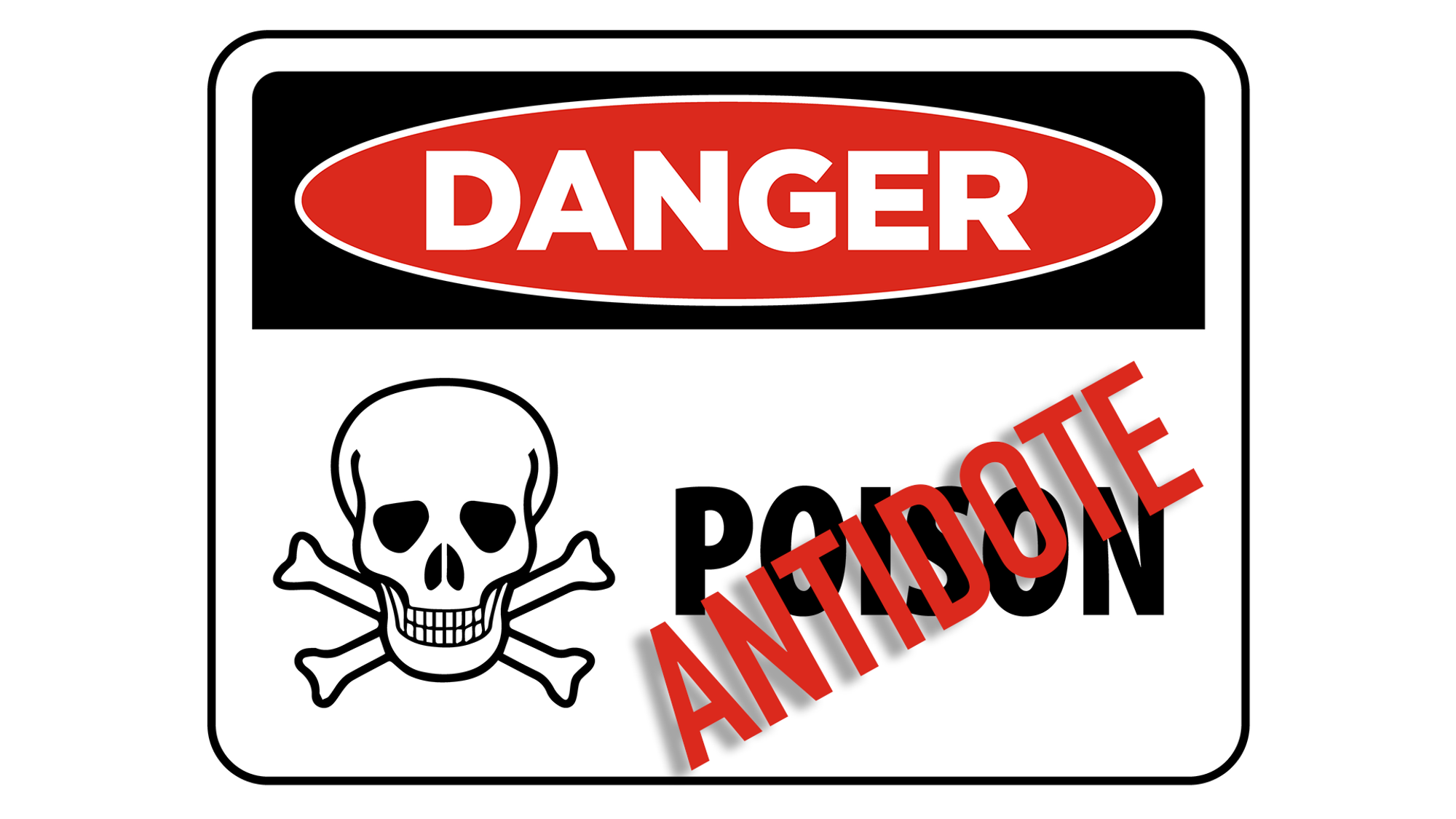
Consider arsenic poisoning as an extreme example. A person in top health due to exercise and healthy nutrition will likely be in a better position to recover from arsenic poisoning than a chronically unhealthy person with metabolic syndrome, obesity, and metabolic disease. Nevertheless, in both cases, the arsenic will do a lot of damage to the body and is best avoided. The threshold toxins in factory food will likely cause less noticeable harm than arsenic and cause it over a more extended period, but the principle still applies.
The best antidote for all toxic substances is avoidance. Even if other healthy molecules may help mitigate the harm of a toxin, nothing works as well as simply avoiding the toxin in the first place.
The other problem with focusing on eating healthy food instead of avoiding unhealthy food is there is not yet reliable scientific evidence on what comprises healthy food. There are studies that support the health claims of all the major diets such as Low-Carb, Keto, Paleo, Mediterranean, Vegan, Vegetarian, Plant-Based, Adkins, DASH, and so on.
However, the scientific evidence for these claims is almost exclusively from largely unreliable population studies or what scientists call epidemiological studies. The relatively few studies using the usually much better randomized controlled trials are nevertheless significantly flawed because they use self-reporting regarding what is eaten during the study. In fact, a top scientist on nutrition, Dr. David Allison, states unequivocally that self-reporting studies are so inherently biased and unreliable that they should not be published in peer-reviewed journals.
While science has yet to reliably develop a consensus list of healthy foods, properly done randomized controlled trials in nutrition do show characteristics of diets that foster healthy outcomes. These healthy diets have two characteristics in common: they are comprised of diverse foods, meaning a little bit of everything, and they are low in threshold toxins, meaning they are not factory food.
Actionable Knowledge
- More than half of all Americans will be obese by 2030, full stop. That's right; more Americans will be sick with metabolic conditions than will be healthy. It is unprecedented in our history for more Americans to be sick than are healthy for any clinically identified health condition.
- The FDA’s Generally Recognized As Safe, or GRAS, standard is essentially only tested on human cells. There is virtually no testing regarding the microbiome for GRAS. Nutrimatters disagrees with the current approach, where food additives can be used until they are proven unsafe to human cells. Food additives should only be used once they are proven safe for you and your microbiome.
- A central problem with GRAS is that the "harm" focused on relatively high clinical threshold levels of serious diseases, such as cancer, or changes in the body known to be associated with these diseases. GRAS doesn't consider harm that hasn't yet reached the clinical threshold for disease.
- Every molecule engineered to enter the body at an effective level should undergo the same safety testing, whether it happens to be called a food additive or a drug. The best antidote for all toxic substances is avoidance. Even if other healthy molecules may help mitigate the harm of a toxin, nothing works as well as simply avoiding the toxin in the first place.
Article Top Sponsors

 Donate to Help Improve Articles
 Last Updated 07.16.26 09:33 AM ET