
Top Sponsors of this Article
 Your Name - Your Organization Your Name - Your Organization Your Name - Your Organization Your Name - Your Organization
Table of Contents
The body has a second nervous system with more nerve cells than the brain and spinal cord.
Misadventures In Publishing.
One of the most significant causes of the current system's failure to adequately address metabolic syndrome, obesity, and metabolic disease is the direct result of medical book publishing idiosyncrasies. A few editors and publishers largely controlled medical school textbook publishing early in the 20th Century. In describing human anatomy, the publishers overlooked an entire system with staggering consequences.
The human body has the following five nervous systems:
- Central
- Peripheral
- Sympathetic
- Parasympathetic
- Enteric
However, mainly through the oversight of one powerful editor, the medical textbooks for years described only four nervous systems of the human body, rarely mentioning the enteric nervous system.

A brief nervous system overview helps put this misadventure in context. The central nervous system refers to the brain and spinal cord. The peripheral nervous system is the nerves that control the skeletal muscles, primarily for movement and stability. The sympathetic nervous system is the nerves that control the systems that trigger the body's "fight or flight" responses. The parasympathetic nervous system refers to the nerves that control the body's "rest and digest" responses primarily through the organs.
The enteric nervous system is the nerves that control the body's digestive system, including the esophagus, stomach, bioreactor, and colon. However, the vast majority of the enteric nervous system is in the bioreactor, which can also be called the nervous system of the small intestine.
The editors likely failed to understand the importance of the enteric nervous system because it was hard to see. At the time, most of what was known about the structures of the human body came from autopsies of cadavers. Because the nerves of the enteric nervous system are relatively transparent and embodied in the thin layers of the bioreactor tissues, they were difficult to identify. The result was the erroneous conclusion that the digestive system beyond the mouth and stomach was little more than a transport tube. Nothing could be further from the truth.
As a result, except for a few common illnesses such as acid reflux, stomach ulcers, diverticulitis, and intestinal diseases like Crohn's and Celiac disease, doctors rarely considered the enteric nervous system. Since doctors weren't trained in it, they did not focus on it, and as a result, there was little research on it.
However, there are more nerve cells in the enteric nervous system than in the central nervous system. That's right, there are more nerve cells in your digestive system than in your brain and they are just as busy and important.
Further, other than consciousness, the enteric nervous system conducts almost all of the same complex command and control functions as the brain. The body can continue to function without the brain but cannot continue to function without the enteric nervous system.
The Second Brain.
Serious efforts to correct the neglect and raise awareness about the importance of the enteric nervous system began with the 1999 publication of the landmark book The Second Brain by Dr. Michael Gershon, PhD. This book should be required reading for anyone with a stake in nutrition and metabolic syndrome, obesity, and metabolic disease, which is just about everyone.
It's taken nearly 25 years for Dr. Gershon's remarkable science to catch the attention of a broader group of scientists, researchers, and doctors, a testament to the impact of the initial omission of the enteric nervous system from the medical curriculum.
The first two-thirds of The Second Brain explains in relatively comprehensible terms all of the wide-ranging and extraordinary functions of the bioreactor. The bioreactor is the engine of practically all the body's biochemistry, either through outright creating mission-critical chemicals or creating their components and precursors.
Other critical functions include regulating the immune response, maintaining the intestinal barrier, detecting nutrients, activating digestive processes, and microvascular blood transfers. The enteric nervous system exhibits complex behaviors of a neuro network in the same way as in the brain and spinal cord.
The last third of The Second Brain gets a bit dense and describes Dr. Gershon's decades-long research to cure a life-threatening digestive system disorder. Although this has little to do with nutrition, it is a convincing tale about how challenging it is to conduct scientific research on the digestive system, how far science has recently come, and how far it has yet to go.
This last part of the book also makes you highly skeptical of results from one study that reveals a possible insight extrapolated into a whole new line of supplements, prebiotics, probiotics, and so on. It should also make you want to know more about sentences that start with "Studies show…”
Studies are essential to validating nutrition understanding, but the answers to how many studies are there, authored and published by whom, and what are the potential conflicts and confounders should always be part of the studies discussion. The factory food industry funds nearly half of the research on some critical nutrition topics.
One of the enteric neuro network's primary functions is processing the sensory signals of nerve endings embedded in the bioreactor. These signals include such varied information as how much tension is there in a muscle cell holding the wall membrane together to regulate intestinal permeability or leaky gut. Other signal information includes acidity, oxygen availability and other environmental conditions, and the tracking of essential molecules.
Sensory signals are decoded by the enteric neuro networks to generate output signals that adjust the workings of other systems in the bioreactor, digestion, and the whole body. The result is an enteric neuro network capable of exhibiting complex behaviors, just like the brain and spinal cord.
The enteric nervous system is tightly integrated into the peripheral nervous system. The enteric sensors and neuro network communicate the composition of gut contents and the degree of distention of the gut, which communicates the position of the food bolus to the peripheral nervous system, and then activates other systems to move and process the bolus.
The enteric nervous system is also tightly integrated into the parasympathetic nervous system, which controls the functioning of and communications between the body's organs. For example, the enteric nervous system detects the sugar concentration in the bolus, and its neuro network calculates the right amount of insulin. Then, using the parasympathetic nervous system, the pancreas is instructed to secrete that amount of insulin into the bioreactor. Something very similar happens with fats, the gall bladder, and bile.
Hey Kid, Where's Your Helmet?
When initially published, Dr. Gershon's title, The Second Brain, was accused of being a bit presumptuous based on the belief that no other part of the body is as complex or as important as the brain. However, as scientific knowledge grew, perhaps the more apt title would now be "Another Brain." The similarities in the functioning neuro networks are remarkable. However, there are essential differences in the structure of the brain and the enteric nervous system.
The brain primarily exists in three dimensions as a single, roughly egg-shaped mass. The enteric nervous systems exist primarily in two dimensions as a thin layer embedded in the wall of the bioreactor. The brain is isolated from the outside, even having a barrier between it and the body's blood supply with little or no direct contact with the body's chemistry. If you remember from the lesson Meet Your Critical Organ, The Bioreactor, the enteric nervous system is only a few cell layers away from the outside world and constantly in direct contact with the body's chemistry.
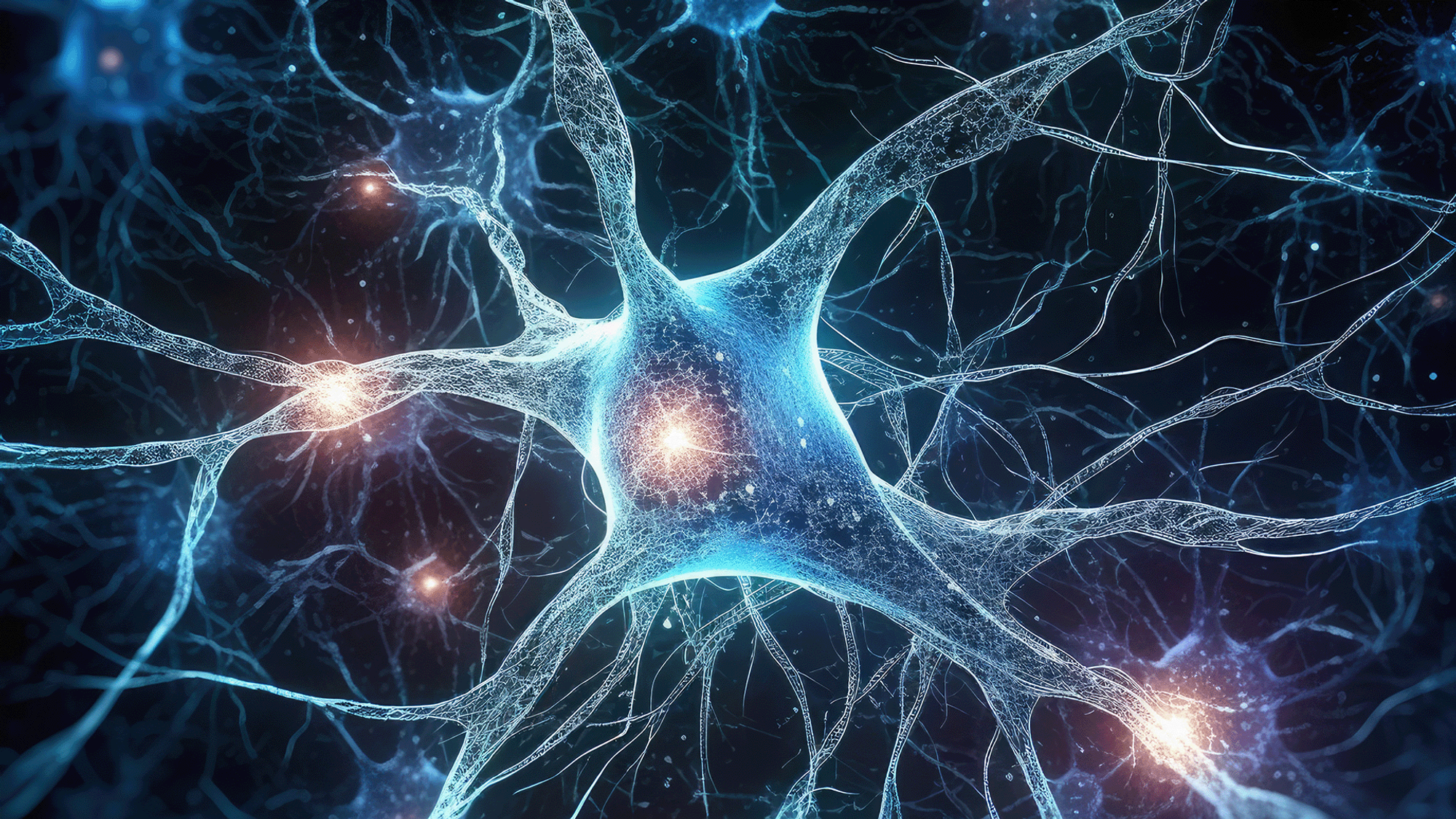
The difference in the arrangement of nerve cells is essential in how the brain and enteric nervous systems neuro networks respond to nerve cell injury or loss. In the brain, each nerve cell is surrounded in all dimensions by other nerve cells. These surrounding cells are often not utilized and are immediately available to take over for an injured or lost nerve cell.
This ability to take over is called neuroplasticity and is critical because lost nerve cells generally cannot be replaced by a new nerve cell. Their function must be assumed by an existing nearby cell. However, in the enteric nervous system, the nerves are not surrounded by cells in all dimensions, ready to take over. Science has yet to determine if neuroplasticity exists in the enteric nervous system. It is reasonable to believe the enteric nervous system is less resilient to injury and loss of nerve cells than the central nervous system.
The brain is protected by a natural helmet made of bone called the skull. Under the skull are special fluids and structures to cushion and protect the brain from impact injuries. Further, we go to extraordinary lengths to protect the brain by requiring a second helmet in situations likely to cause brain injury such as riding bikes and motorcycles, skiing, car racing, and most sports. All this and more because we recognize the vulnerability and importance of the brain's neuro networks.

Our focus on protecting the brain is not limited to helmets. How many brain-healthy foods, supplements, rest, recovery, activities, and good night's sleep habits occupy our daily thinking and actions? Yet, we do none of this for our equally important, and perhaps even more vulnerable second brain, the enteric nervous system of the bioreactor.
Up All Night.
Until you get to the colon, the food bolus moves through the mouth, esophagus, stomach and bioreactor at a remarkably consistent transit time for most people. It's only a few minutes for the mouth and esophagus, about 15 to 30 minutes for the stomach, and 3 to 4 hours for the bioreactor. It also takes about an hour for the bioreactor to clean up and shut down.
From the moment you put something in your mouth, and it signals to activate the digestive system, until the food bolus enters the colon, and the bioreactor shuts down, it is at most 6 hours later. Therefore, the enteric nervous system is in full processing mode, doing everything it does for 6 hours after putting any food in your mouth. That's right, even one mouthful activates and requires the full processing and operation of the enteric nervous system for the full 6 hours.
Eating before sleeping by putting any food in your mouth before bedtime has the same effect on the second brain as drinking a caffeinated beverage before bed has on the brain.

As discussed in other lessons, virtually all living cells thrive and survive under the 5Rs: Response, Rest, Repair, Recovery, and Repeat. Nerve cells are no different, wherever they appear in the body (although only for nerve cells, Repair is debatable). There is a reason eight hours of quality sleep is unquestionably critical to brain health, and therefore the rest of the body. What we call sleep is simply the time it takes for the nerve cells of the brain to complete the three middle steps: Rest, Repair, and Recovery of their 5Rs cycle.
Yet, if you eat a snack before bed at 10 p.m., your second brain's nerve cells don't get to start their Rest, Repair, and Recovery, or "sleep," until 6 hours later at 4 a.m. If you eat again at 8 a.m., your second brain only gets four hours of sleep. So how good do you think you'd feel and how healthy would you be only getting four hours sleep every night?
The most important benefit of the second brain getting enough sleep is that it can more effectively repair the intestinal barrier across its 22-foot length and 400-square-foot surface area. The integrity of this barrier is critical to limiting the translocation of intestinal fluids into the body, which triggers chronic systemic inflammation, as discussed in When You Become the Infection.
This intestinal barrier is also where much of the body's biochemistry magic takes place, where thousands of different species of trillions of microbes make the body's most essential chemicals, including neurotransmitters, hormones, and virtually all the nutritional elements that fuel thinking and movement, and completes the Rest, Repair, and Recovery for all the other cells of the body.
Also, due to the circadian rhythm, the metabolic chemistry that processes food changes significantly when the brain sleeps, and that changed chemistry favors producing fat, not energy, muscle, or repair. So, you don't want the second brain to process food while the brain sleeps. It is far better that they both sleep at the same time.
Overworking All Day.
One of the major functions of the enteric nervous system is to move the food bolus through the 22 feet of the bioreactor in four hours. This transit requires a complex choreography of enteric nervous system sensors and signals to activate muscles through the peripheral nervous system. The enteric nervous system senses the position of the bolus based on the extension or pressure on the wall of the bioreactor. Then, the enteric neuro networks issue the correct location, extent, and timing of the muscle contraction through the peripheral nervous system to squeeze the bolus forward.
The electromechanics of food movement through the bioreactor works best with a large, concentrated bolus, preferably two or three times daily, associated with meals. Imagine how tired your hands would be if you tried to squeeze a squishy ball through 22 feet of rubber tubing. You would certainly want a few hours between efforts to recover. Now imagine doing this constantly throughout the day without rest on a small soft bolus. This exhausting effort is precisely what we are asking the enteric nervous system and bioreactor to do when we snack all day between meals.

As discussed in the lesson When Is As Important As What You Eat, overworking the bioreactor is an unintended consequence of concepts like body homeostasis and the body as a chemostat. Homeostasis is a self-regulating process by which biological systems maintain stability while adjusting to changing external conditions. A chemostat is a device in which cells are kept uniformly suspended in a culture medium that is constantly renewed and maintained chemically unaltered by a continuous flow of new medium.
Body homeostasis and the body as a chemostat manifest itself in nutrition by trying to keep key nutrition variables, such as blood sugar, energy levels, hunger, and hydration, at the same level throughout the day. Homeostasis and chemostats are preferred production processes at pharma, labs, and factory food, but not for the human body. Nutrimatters will make the case for this in future lessons. However, regardless of other harm or benefit, running the bioreactor all day on small soft boluses certainly makes the enteric nervous system work harder and get less Rest, Repair, and Recovery.
The prevalent characteristics of the bolus and the adequacy of the bioreactor's Rest, Recovery, and Recharge can impact the speed with which the bolus moves through the digestive system. This movement is called gastrointestinal motility.
There is very little variance allowed in gastrointestinal motility in the healthy bioreactor. If the bolus moves too slowly, its lengthened contact time with the bioreactor wall can damage critical tissues, including the enteric nerves. If it moves too fast, it can fail to complete the critical molecular processing to supply the body's biochemistry. Too fast or slow can change the microbiome ecosystem's characteristics, favoring undesirable microbes and discouraging desirable ones.
As the adverse effects of lack of sleep, overwork, and toxins accumulate, gastrointestinal motility generally slows down, further damaging the bioreactor and causing dysbiosis. The additional bioreactor damage and dysbiosis contribute to metabolic syndrome, obesity, and metabolic disease.
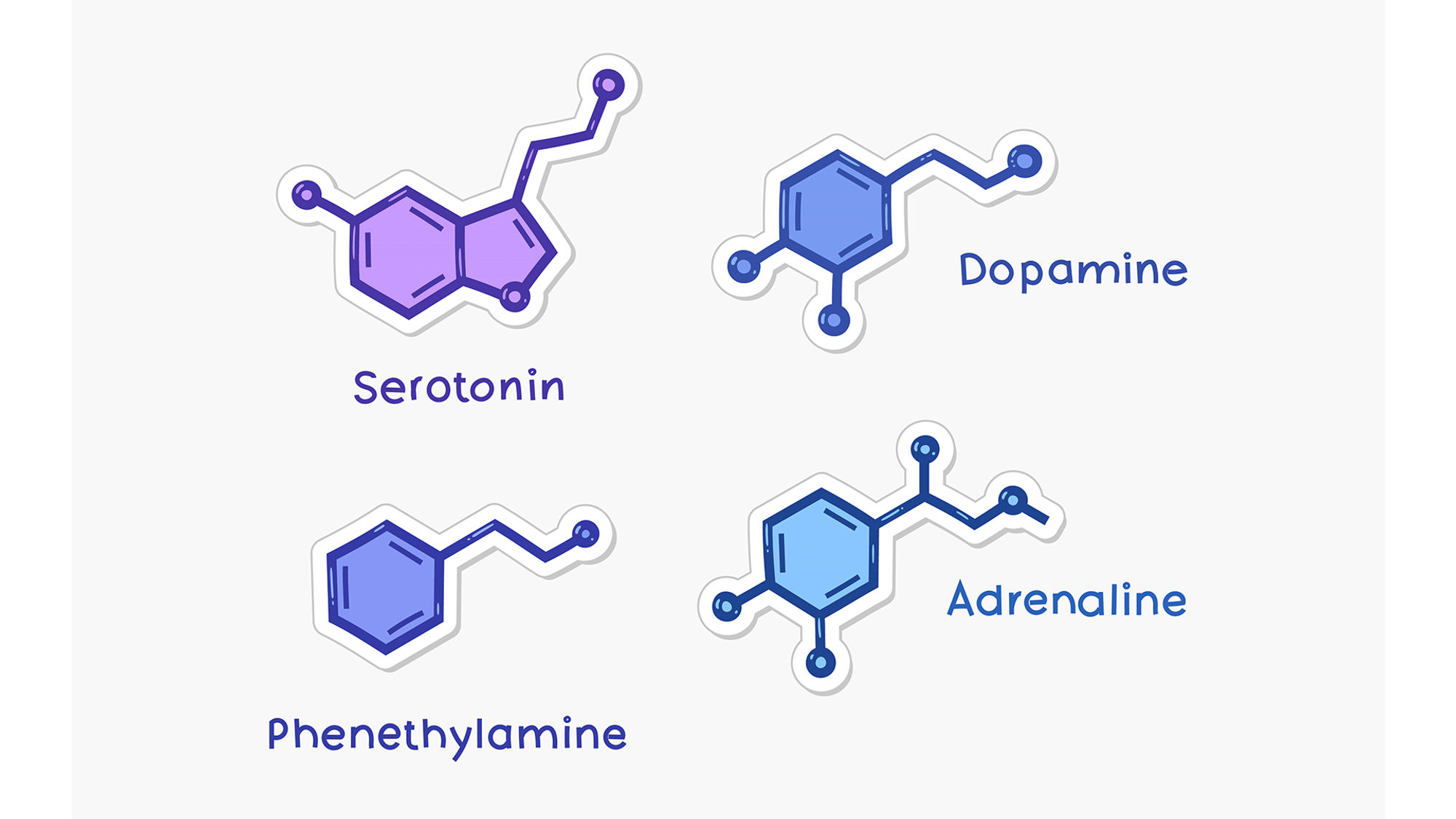
Further, reduced gastrointestinal motility is associated with severe neurotransmitter diseases such as Parkinson's. This association makes sense now that we know the bioreactor is essential to producing critical neurotransmitters such as dopamine and serotonin. For many years, the reduced gastrointestinal motility was thought to be a symptom of these diseases. Now, science is taking a hard look at whether reduced gastrointestinal motility is actually a cause of these diseases. Reduced gastrointestinal motility can also result in painful and dangerous conditions like bowel blockages.
Take This Job and Shove It!
So, let's get this straight. Over the last few decades, we have steadily reduced the sleep (by late eating), increased the workload (by snacking), and increased the exposure to toxins (through factory food) of the enteric nervous system, bioreactor, and microbiome. It's a small wonder we have an epidemic of bioreactor dysfunction and dysbiosis leading to a metabolic syndrome, obesity, and metabolic disease crisis.

The overall impact of these fundamental changes in nutrition patterns is to undermine the 5Rs critical to the health of the enteric nervous system, bioreactor, and microbiome. Some diets, supplements, medications, and procedures may temporarily improve individual conditions, such as weight gain, but they will all be Band-Aids. The only solution to the metabolic syndrome, obesity, and metabolic disease crisis is to permanently eliminate the causes of bioreactor dysfunction and dysbiosis.
The bioreactor and enteric nervous system need the same eight hours of sleep as the brain and other nervous systems, which means nothing in your mouth (except water) within 4 to 6 hours of sleeping. The bioreactor and enteric nervous system accomplish more with less effort processing two or three concentrated food boluses daily, which means no snacking. Finally, the enteric nervous system, bioreactor, and microbiome must avoid threshold toxins such as preservatives, additives, emulsifiers, thickeners, fructose and complex sugars, and harmful oils in factory food.
Actionable Knowledge
- There are more nerve cells in the enteric nervous system than in the central nervous system. Further, other than consciousness, the enteric nervous system conducts almost all of the same complex command and control functions as the brain. For example, the enteric nervous system senses the position of the food bolus based on the extension or pressure on the wall of the bioreactor. Then, the enteric neuro networks issue the correct location, extent, and timing of the muscle contraction through the peripheral system to squeeze the bolus forward. The electromechanics of food movement through the bioreactor works best with a large, concentrated bolus, preferably two or three times daily, associated with meals, rather than eating constantly by snacking.
- Virtually all living cells thrive and survive under the 5Rs: Response, Rest, Repair, Recovery, and Repeat. Nerve cells are no different, wherever they appear in the body (although only for nerve cells, Repair is debatable). There is a reason eight hours of quality sleep is unquestionably critical to brain health, and therefore the rest of the body. What we call sleep is simply the time it takes for the nerve cells of the brain to complete the three middle steps: Rest, Repair, and Recovery of their 5Rs cycle.
- Yet, if you eat a snack before bed at 10 p.m., your second brain's nerve cells don't get to start their Rest, Repair, and Recovery, or "sleep," until 6 hours later at 4 a.m. If you eat again at 8 a.m., your second brain only gets four hours of sleep. So how good do you think you'd feel and how healthy would you be only getting four hours sleep every night?
- Over the last few decades, we have steadily reduced sleep (by late eating), increased the workload (by snacking), and increased exposure to toxins (by factory food) in the enteric nervous system and bioreactor. It's a small wonder we have an epidemic of bioreactor dysfunction and dysbiosis leading to a metabolic syndrome, obesity, and metabolic disease crisis.
Article Top Sponsors

 Donate to Help Improve Articles
 Last Updated 08.19.26 10:51 AM ET