Top Sponsors of this Article
 Your Name - Your Organization Your Name - Your Organization Your Name - Your Organization Your Name - Your Organization
Table of Contents
The cells of microbes processing food in your digestive system outnumber your human cells.
We Are Not Alone.
Sci-fi enthusiasts have a saying, "We are not alone," and they are certainly right about that. But it's not aliens from other planets that we are just now discovering are among us; it is that the human body is a symbiotic organism that absolutely depends on a trillion microorganisms and vice versa. That's right, if you count all the cells of the human body, 47% have human DNA, and 53% do not have human DNA.
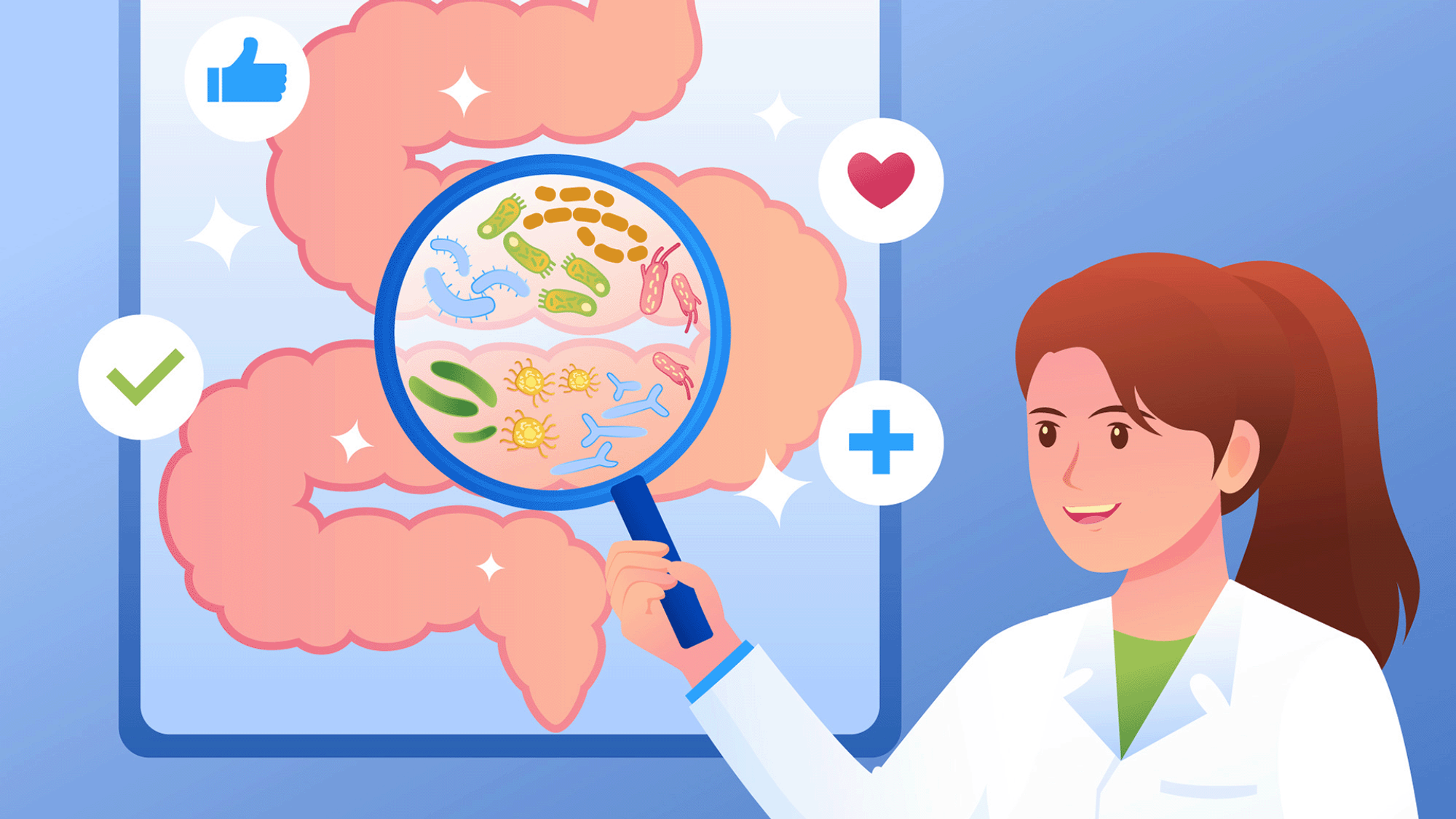
These microbes aren't just going along for the ride. The human body could not function without them. Scientists call these non-human microbes the microbiome. They also do important work on the skin and throughout the body. But typically, when we talk about the microbiome, we talk about the microbes in the digestive tract, including the mouth, esophagus, stomach, and small and large intestines. However, as discussed in the lesson Meet Your New Critical Organ, The Bioreactor, the vast majority of the microbiome operates in the small intestine, which is why we call it the bioreactor.
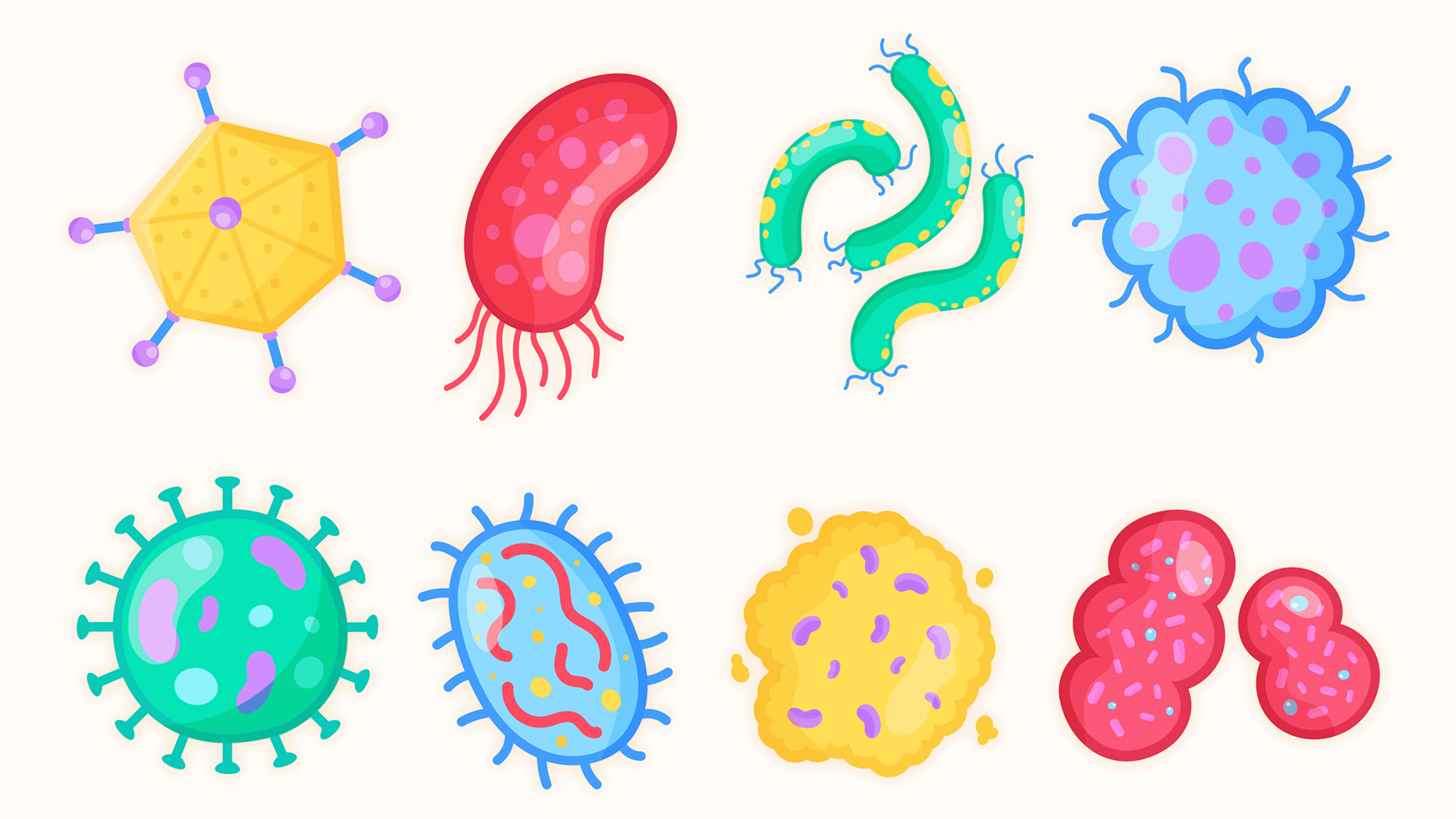
These microbes include many different species of microbes, including bacteria and viruses in the form of bacteriophages, fungi, archaea, and protozoa. They produce much of the chemistry to operate the human body. Scientists are just now discovering that they either outright manufacture critical molecules that run the human body or make the building blocks of these molecules. These include the neurotransmitters that operate the brain and nervous system, such as serotonin and dopamine, which allow us to sleep, move effortlessly, and feel great. Other critical molecules that microbes produce include short-chain fatty acids (SCFAs), bile acids, neuropeptides, vitamins, secondary metabolites, and endotoxins.
When scientists discovered the importance of DNA to health and humanity, a multi-year, multi-billion dollar effort called The Human Genome Project was undertaken to learn everything about the human genome. The Human Genome Project dramatically changed our understanding of the functioning of the human body and how to keep it healthy. As a result, medicine and the treatment of disease have had the most significant changes since the discovery of microbes and vaccines.
A similar program by the US National Institutes of Health called the Human Microbiome Project is starting to map the human microbiome, and it's likely to have a similar profound impact on health. At last count, nearly 4,000 species, each with unique non-human DNA, have been identified as likely to be metabolically active, meaning they play a role in nutrition and health. And there are over a trillion cells of all species in each human body. This Human Microbiome Project will map every species of organism, what they eat, what they need to thrive, what they produce, and their role in human health.
The Human Microbiome Project is at its very early stages, and science has only scratched the surface of understanding only a handful of metabolically active microbes. However, even this tiny insight has been compelling about the role of the microbiome in the body.
The Elephant In The Room.
Once you realize the critical importance and sheer quantity of the microbes, the elephant in the room is that virtually none of the testing done on food health and safety is done on the microbiome.
"Generally recognized as safe," or GRAS substances, are considered safe for human consumption by the United States Food and Drug Administration. However, they are ONLY tested for safety against human cells, which represent less than half of the cells critical to your health.
Nutrimatters advocates that no preservatives (natural or synthetic), additives, emulsifiers, thickeners, added complex sugars (fructose, sucrose, etc.), harmful oils, flavor enhancers to make food addictive, or other threshold toxins be added to food unless and until they are proven safe for you AND your microbiome. Not only does the cellular test population have to be doubled, but the standard for safety also needs to be changed.
Before adding something to food, the standard must become whether it is proven safe to you AND your microbiome, rather than the current standard of not yet proven harmful to human cells.
A Story Of Discovery.
The entire history of medicine was resistant to the very existence of microbes. When microbes were finally recognized, it was almost exclusively in the context of a cause of death and disease. It's a small wonder the importance and benefits of the microbiome have faced headwinds from the beginning. However, other professions like farming, baking, and brewing have long seen microbes as essential partners.
Wines, beers, spirits, vinegar, and many other beverages and foods depend on microbes as the primary production mechanism. All the grinding, mashing, mixing, pumping, cooking, distilling, and filtering equipment is used to support the microbes. For example, microbes known as brewers yeast make alcoholic beverages and vinegar.
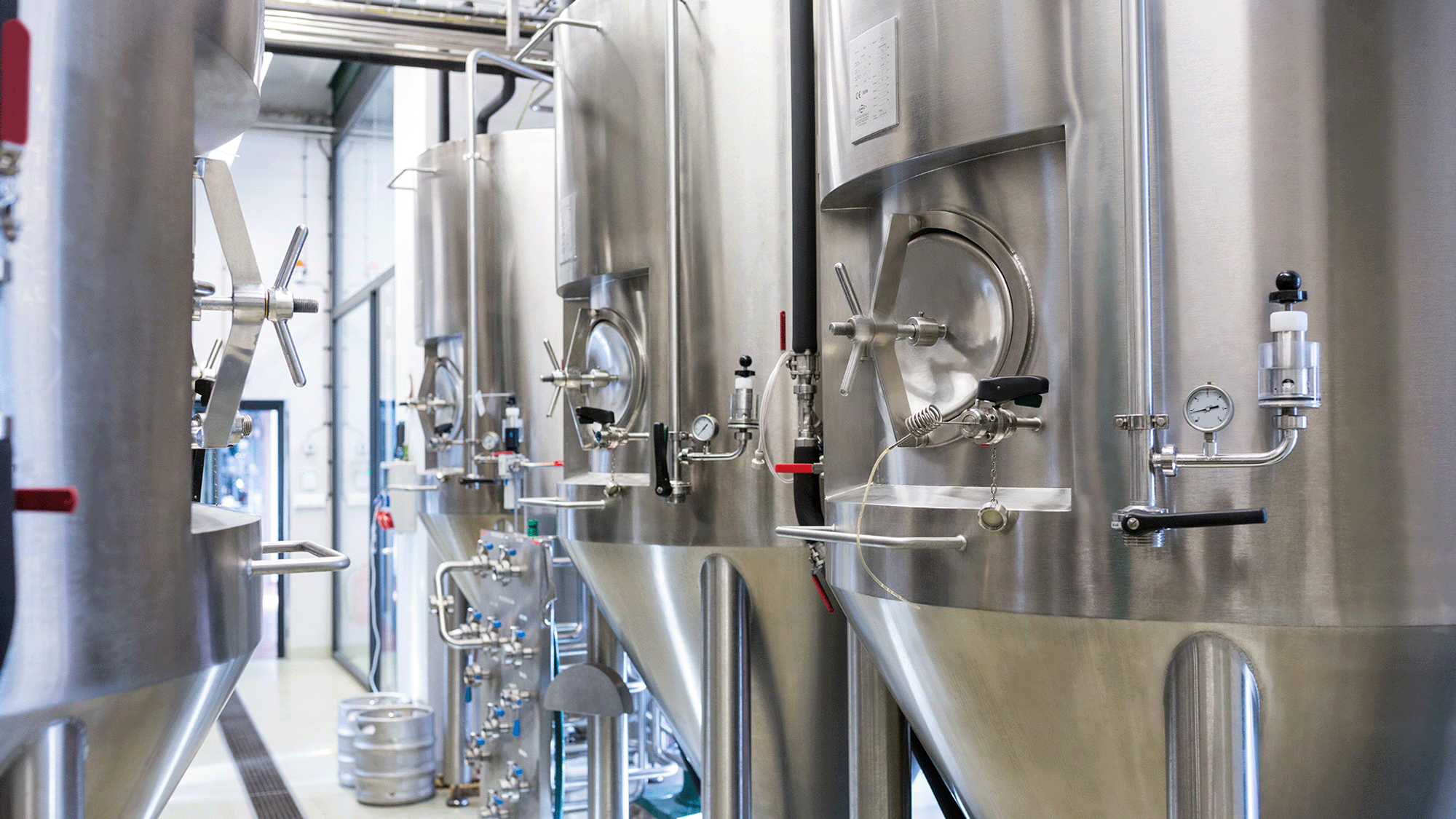
Feeding brewers' yeast 1 pound of simple sugars (like glucose) will produce roughly 1/3 pound of ethyl alcohol (or vinegar), 1/3 pound of CO2 gas, and 1/3 pound of new yeast. All the tanks, pumps, pipes, cookers, mashers, grinders, mixers, filters, distillation, controllers, and everything else that happens in the brewery work to feed glucose to yeast, keep the yeast happy and healthy and manage the alcohol or vinegar and by-products they produce.
It is very much the same with bakers, except they are interested in the CO2 to help raise the bread. The alcohol burns off in the oven, creating that fabulous smell, and the new yeast adds a little protein. Microbes help farmers in many ways, but some of the most important is to break down complex forms of nitrogen into simpler versions that plants and farm animals can use.
Farmers, bakers, and brewers have known these basics for thousands of years. Some strains of brewer’s and baker‘s yeasts have been nurtured, continuously cared for, and passed down for many generations over hundreds of years.
Brewers were among the first to see that these yeasts made more than alcohol, vinegar, gas, and protein. Alcoholic beverages can have a strong taste and smell of other complex molecules. Today, we say it tastes like gasoline, solvents, or petrochemicals and call it rot-gut whiskey or stinky beer.
Many techniques exist to prevent this, including special recipes for the yeast food called mash, particular strains of yeasts, unique cooking, special aging, distilling, and filtering to remove these tastes and smells. It turns out that yeast also makes small quantities of very complex, almost petrochemical-like molecules called fusel oils. To the brewer, fusel oils must be avoided or removed. However, scientists studying the role of microbes in the human body found it fascinating that microbes could derive such complex molecules.
We've Been Here Before.
In the early 1980s, petroleum was expected to be too scarce to burn as fuel by the late 1990s. What petroleum was left was trapped in oil shale, a soft rock type that required devastating environmental damage to recover through strip mining. Along came a new technology called fracking that could recover petroleum from oil shale without strip mining. The oil shortage was averted, at least for the ensuing decades.
However, during the 1980s shortages, there was extraordinary interest in making petrochemicals from microbes. In fact, as a legacy of those days, nearly 10% of the US gasoline supply is currently made from microbes. Whenever you see “Contains 10% Ethanol” on a gasoline pump, some of your fuel comes from yeast eating glucose sugar.
Furthermore, since these yeasts eat glucose from plants grown last season, this biologically derived fuel is carbon neutral. It is carbon neutral because existing carbon is being absorbed by plants and released by burning biofuel yearly rather than introducing “new” carbon to the atmosphere that was sequestered over millions of years in petroleum. While biofuels don't reduce carbon in the atmosphere, they don't add to it either. The net result is preventing over 30 million metric tons of sequestered carbon from being dumped into the atmosphere each year. Biofuels remain one of today's most impactful and successful climate change prevention programs.

But in the 1980s, the problem was much bigger than running out of gasoline. Petroleum shortages also threatened hundreds of thousands of critical chemicals. Scientists quickly realized that brewer’s yeast wasn't the only microbe making petroleum-like molecules. Almost every microbe makes trace amounts of fascinating molecules.
The scientists also realized that if microbes were going to replace petroleum, they would have to be produced in much larger quantities and much more efficiently than what brewers were doing. The answer to reaching this scale was bioreactors. We'll only touch on bioreactors here since there is a lesson dedicated to them, but they are a significant improvement on the traditional approach of placing microbes in a big tank as they do in a brewery.
Bioreactors can be very complex designs that maximize the number of microbes in a compact area. They are held in a position on a structural matrix to receive food and recover the products of their metabolism as efficiently as possible, allowing them to thrive and be productive. Bioreactors take a high degree of mechanical design, fluid mechanics, biotechnology, materials and membrane science, and process control. Often, a bioreactor will host several different types of microbes, each playing a role in preparing the molecule for further processing by the next microbe.
Generally, anything that can be made from petroleum in a refinery can be made by microbes in a bioreactor. But nothing made by man can match the elegance, sophistication, and efficiency of the human bioreactor known as the small intestine.
This Feels Familiar.
At the time, a Nutrimatters founder was very involved in bioreactor and biofuel technology and considered an industry leader and innovator. By the late 1980s, primarily due to fracking, petroleum was cheap and abundant again. Interest in bioreactors and microbes as sources for complex petrochemical-like molecules dissipated. However, to this day, one major petroleum company, 40 years later, continues to run a branding commercial touting its bioreactor that makes fuel from algae.
Nevertheless, years later, when scientists started to describe the intricate structure of the small intestine and its microbes making trace amounts of very interesting molecules, Nutrimatters quickly caught on and started paying close attention. Others in health and nutrition? Well, not so much.
We, and many doctors, were always taught in school that the small intestine had all these tiny hair-like structures or filaments filled with tiny blood vessels called capillaries. The nutrition in the food is just soaked through the membranes of these filaments and directly into the blood. It now turns out that these membranes are packed deep in microbes that first convert the nutrients into essential molecules of life before they get to the blood.
Microbes' role in preparing molecules for use by the human body is so pervasive that it's fair to say that without microbes, we would starve to death in the abundance of food.
In The Beginning, There Was Dirt.
So, where did all these microbes come from? As plants and animals died and fell into the soil for millions of years, evolution developed microbes that could feed on the plant and animal material. These microbes broke down these foods into increasingly simple molecules, which could then serve as food to plants and animals. Plants and animals would put molecules together and build complex forms of life, and microbes would break down molecules back into their component parts. The cycle of life was complete.
As humans began to forage for food by digging plants out of the dirt, they also took in the microbes in the dirt on the plants. The microbes took up residence in the gut and continued breaking down complex molecules into simpler molecules. Over time, the human body also developed uses for the complex molecules produced by microbes as byproducts of their metabolism.
Humans and their gut microbes evolved together over hundreds of thousands of years and are now inseparable, creating one symbiotic organism.
Digestion Is A Team Sport.
An important realization is that while a separate microbe produces each molecule, microbes don’t all eat the same molecules. They often feed on the molecules produced by other microbes. Much of the food available is in the form of very complex sugar molecules that must be broken down into smaller molecules before particular microbes can eat them. Food passes from microbe to microbe, each further reducing the complexity of the food molecules as it passes through each microbe. The result is an enormously complex ecosystem with as many existential interdependencies as any in nature.

It is precisely the same ecosystem concept we know from nature, such as what happens if all the bees die. Many plants can’t pollinate and die out, causing other life to starve. Harming the microbe that breaks down the complex carbohydrates into simple sugars threatens the microbe that feeds on the simple sugar. That microbe might be the one that makes dopamine, essential to avoiding a horrible disease called Parkinson's.
When the healthy microbe ecosystems in the bioreactor are out of balance and critical molecules are no longer made, that’s called dysbiosis. Dysbiosis is a major element of metabolic syndrome, obesity, and metabolic disease.
In the 1960s, a compelling book called The Silent Spring taught humanity the peril to their very existence of destroying the natural balance of the outside ecosystem. Among other revelations, the book showed how just one chemical pesticide, DDT, which was widely used in agriculture and horticulture, harming just a few species, puts the entire planet in jeopardy. We need to quickly realize the exact same thing is happening with our inside ecosystem of microbes.
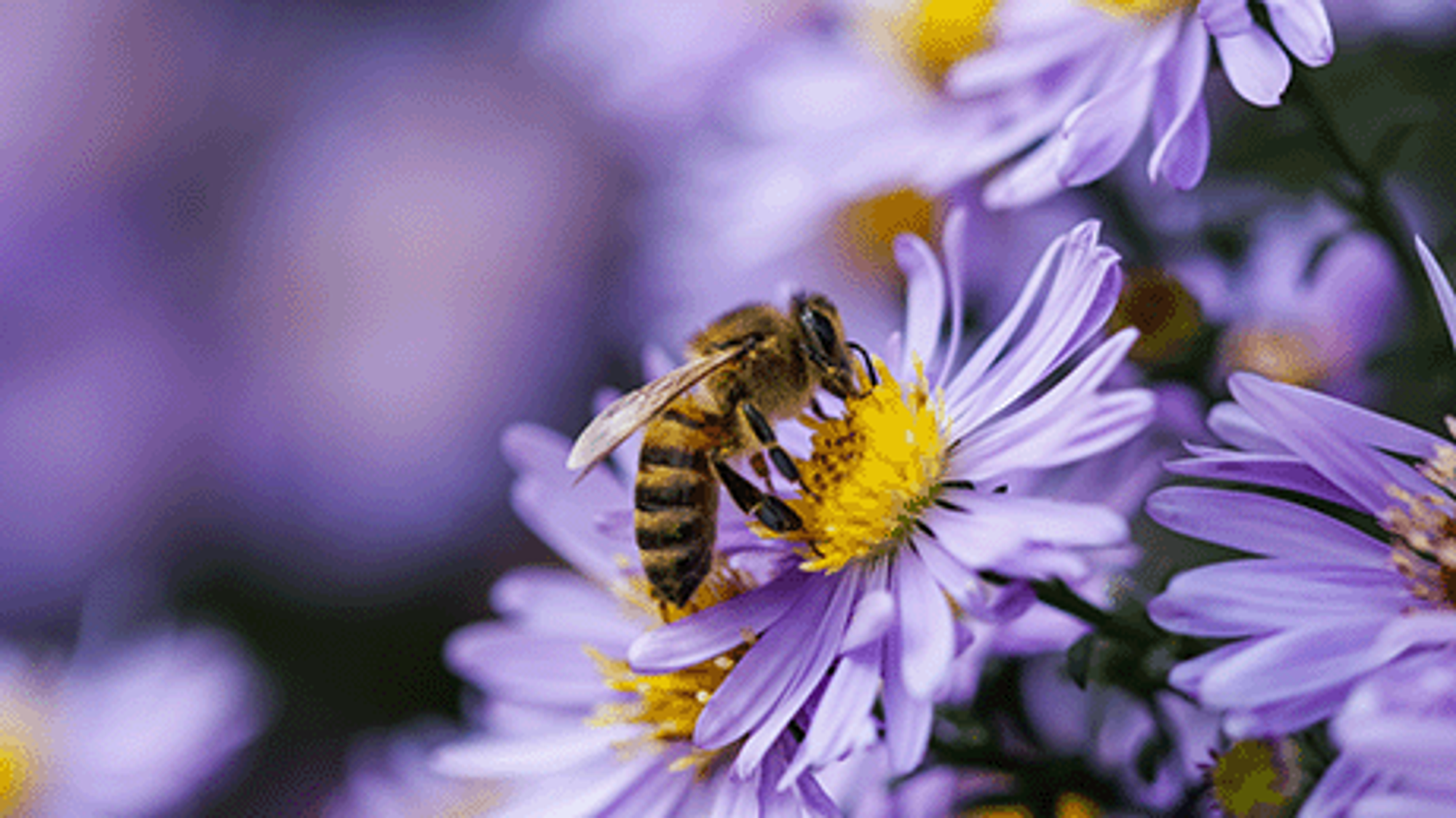
After the Silent Spring was published, pesticides, herbicides, and environmental chemicals came under strict scrutiny and regulation to protect the outside ecosystem. Now again, we need to do the same with complex sugars, additives, thickeners, emulsifiers, preservatives, and harmful oils to protect our inside ecosystem.
Actionable Knowledge
- If you count all the cells of the human body, 47% have human DNA, and 53% do not have human DNA. Over a trillion cells of nearly 4,000 species, each with unique non-human DNA, have been identified as likely to be metabolically active, meaning they play a role in nutrition and health.
- "Generally recognized as safe," or GRAS substances, are considered safe for human consumption by the United States Food and Drug Administration. However, GRAS substances are ONLY tested for safety against human cells. Before adding something to food, the standard must become whether it is proven safe to you AND your microbiome, rather than the current standard of not yet proven harmful to human cells.
- Scientists are just now discovering that microbes either outright manufacture critical molecules that run the human body or make the building blocks of these molecules. These include the neurotransmitters that operate the brain and nervous system, such as serotonin and dopamine, which allow us to sleep, move effortlessly, and feel great.
- When the healthy microbe ecosystems in the human bioreactor are out of balance, and critical molecules are no longer made, that’s called dysbiosis. Dysbiosis is a major element of metabolic syndrome, obesity, and metabolic disease.
Article Top Sponsors

 Donate to Help Improve Articles
 Last Updated 07.16.26 08:57 AM ET