
Table of Contents
Something for Everyone.
Nutrimatters' core curriculum is based on the new science of nutrition and the founders' outcomes and experience in avoiding and reversing metabolic syndrome, obesity, and metabolic disease. We present this core curriculum at different levels and through different means, such as courses, articles, and programs, because people have different preferences for learning and thresholds for action. Essentially, we’ve reduced hundreds of hours of audiobooks, expert videos, and peer-reviewed research to a curriculum that takes only a few hours to complete.
However, for some people, even a few hours are too much. They are simply fully consumed with the demands of modern living. Possibly, they have already tried and failed at everything and simply are willing to try something new that has low risk and expense. Perhaps they just want a new diet to try and determine from their own experience if it’s likely to work for them.
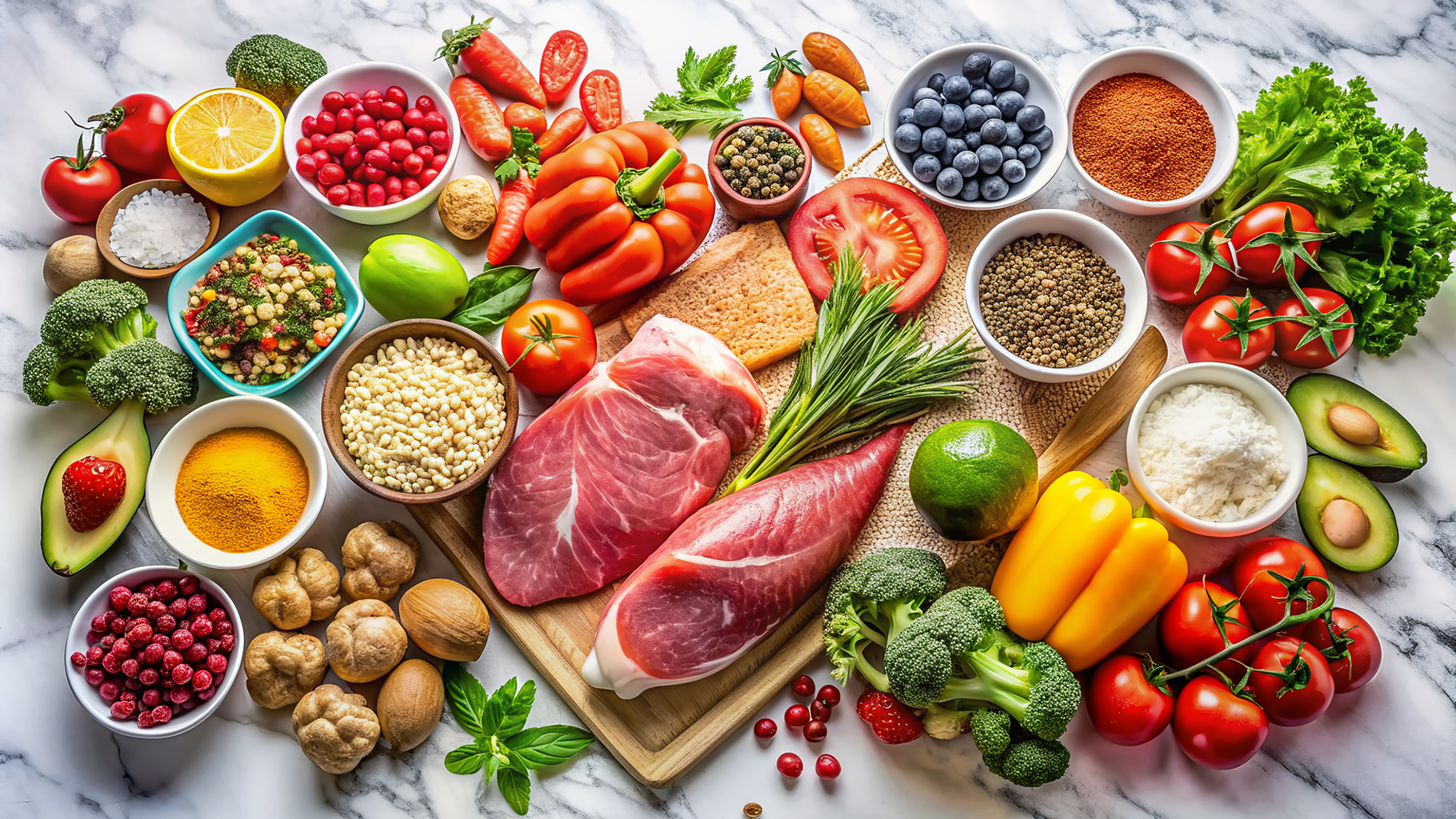
Regardless of the reason, the Nutrimatters EatNIL® Program is for them. EatNIL® is a “just do this” program that will likely start to show positive results within six weeks. These results are typically in the form of feeling better overall, less hunger, better sleep, more energy, and less effort required not to gain weight (weight loss is not likely this early in the program).
When you start to experience these improvements, then you can decide to commit further to other Nutrimatters programs such as 6by6Living™, SnackNix™, SitNix™, and TrustedEating™. EatNIL® will stop fueling the bioreactor dysfunction and dysbiosis, and the 6by6Living™, SnackNix™, and SitNix™ programs can start healing the bioreactor and microbiome. TrustedEating™ will allow you to safely expand your food choices beyond EatNIL®.
The Meaning of it All.
Nil means nothing, so Eat Nil means don’t eat. Right? Well, eating nothing may seem like the bottom line regarding today’s nutrition advice. Certainly, there seem to be studies, experts, and groups advocating against virtually every food. And eating nothing will certainly cause you to lose weight. If only it were that simple.
Unfortunately, you can only eat nothing for so long before eating becomes involuntary, and there are really bad things that start to happen to the human body without food for extended periods. Fortunately, in this case, NIL refers to No Ingredient Label. The EatNIL® program encourages eating food that doesn’t require an Ingredient Label, or any other kind of label advising that there may be something in the food you should know about, such as being processed in a factory that may have contaminated the food with allergens. These labels are reliable identifiers that this food has been manufactured in a factory.
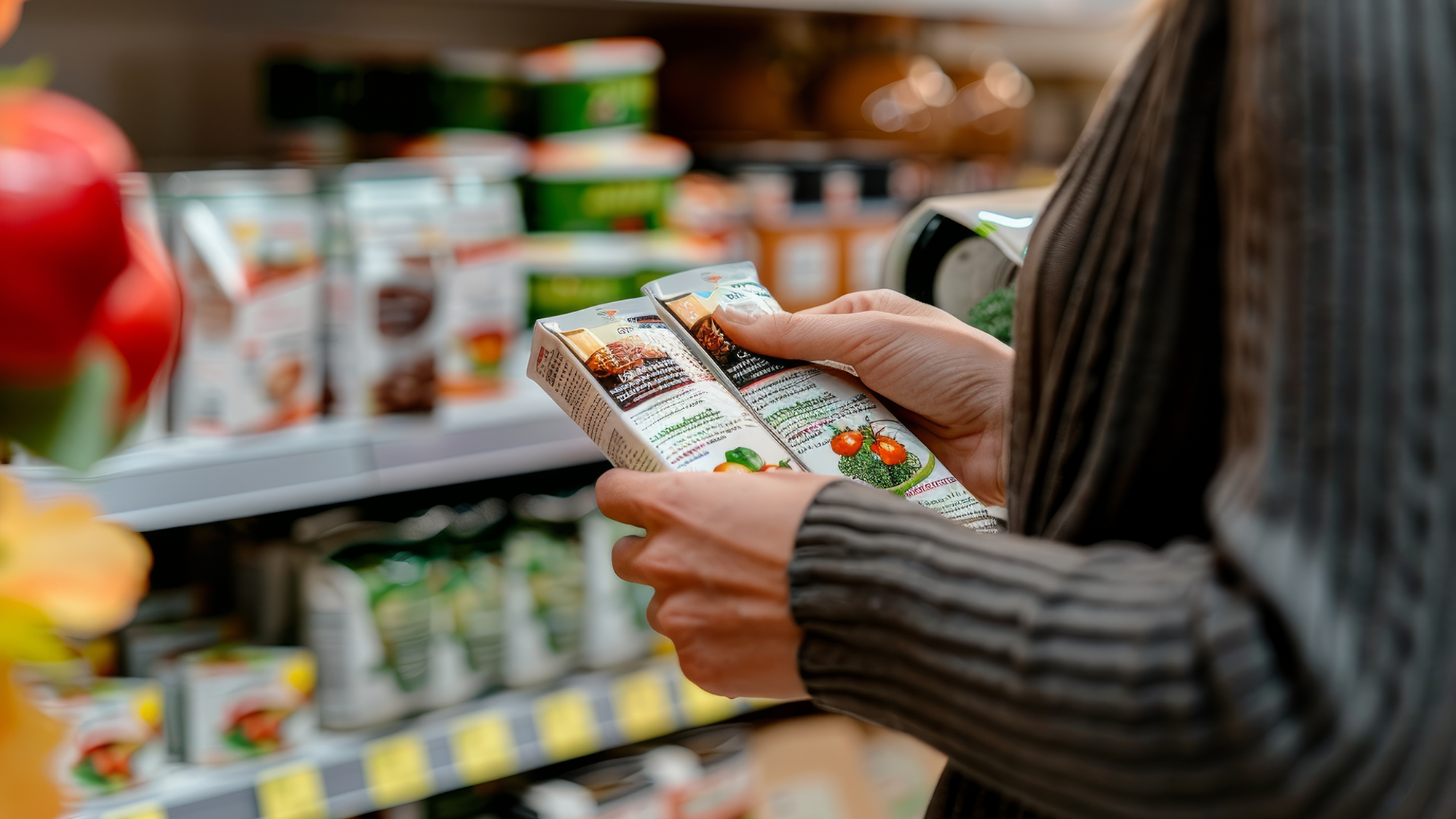
The Nutrimatters Courses and Articles make a strong case that factory food, as it has been predominantly manufactured since the mid-1970s, is a significant contributor to metabolic syndrome, obesity, and metabolic disease. EatNIL™ is simply a way to identify factory food so you can stop eating it.
The vast majority of nutrition advice is telling you what to eat rather than what not to eat. This is because most of this advice has a commercial bias. It’s hard to monetize not doing something. It is far easier to sell you something that you think will help you rather than telling you to stop doing something that is harming you.
Therefore, there is an overwhelming volume of messages telling you to eat this and that because there is some evidence it is good for you. And that may be true. But the pertinent question is, not is it good for you, but is it an effective antidote for the other food you just consumed at a level that reached its toxic threshold? Since there is virtually no research on food antidotes, the best move is to avoid the toxic levels in the first place.
Just Tell Me What to Eat.
The overwhelming commercial messaging advocating healthy food has also made it difficult to choose since the messages are often mutually exclusive and contradictory. This has led to the popular mindset of “Just Tell Me What to Eat!” As a result, an entire diet industry has emerged that groups food into diets, such as Vegetarian, Vegan, Low-Carb, Paleo, Keto, Mediterranean, Gluten-Free, etc.
All of these can provide temporary relief from weight gain. None of them alone are proven to provide more than single-digit permanent relief from metabolic syndrome, obesity, and metabolic disease. All of them are widely practiced in greater frequency, yet the rates of metabolic syndrome, obesity, and metabolic disease continue to rise.
Nutrimatters also believes that many of these diets' benefits include eating less factory food when practicing them, although there are factory foods catering to each of these diets. Unfortunately, all of these diets also tend to reduce the diversity of the food eaten. A diverse diet is the one clinically proven diet that supports a diverse microbiome for better health.
OK Then, Tell Me What Not to Eat.
Don’t eat factory food. What is factory food? Factory food is manufactured to be transportable over long distances, be stored for long periods of time, be addicting, and mask inferior ingredients. All these design objectives of factory food are accomplished by adding preservatives, additives, emulsifiers, thickeners, flavor enhancers, complex sugars, harmful oils, and manufacturing processes that change food molecules.
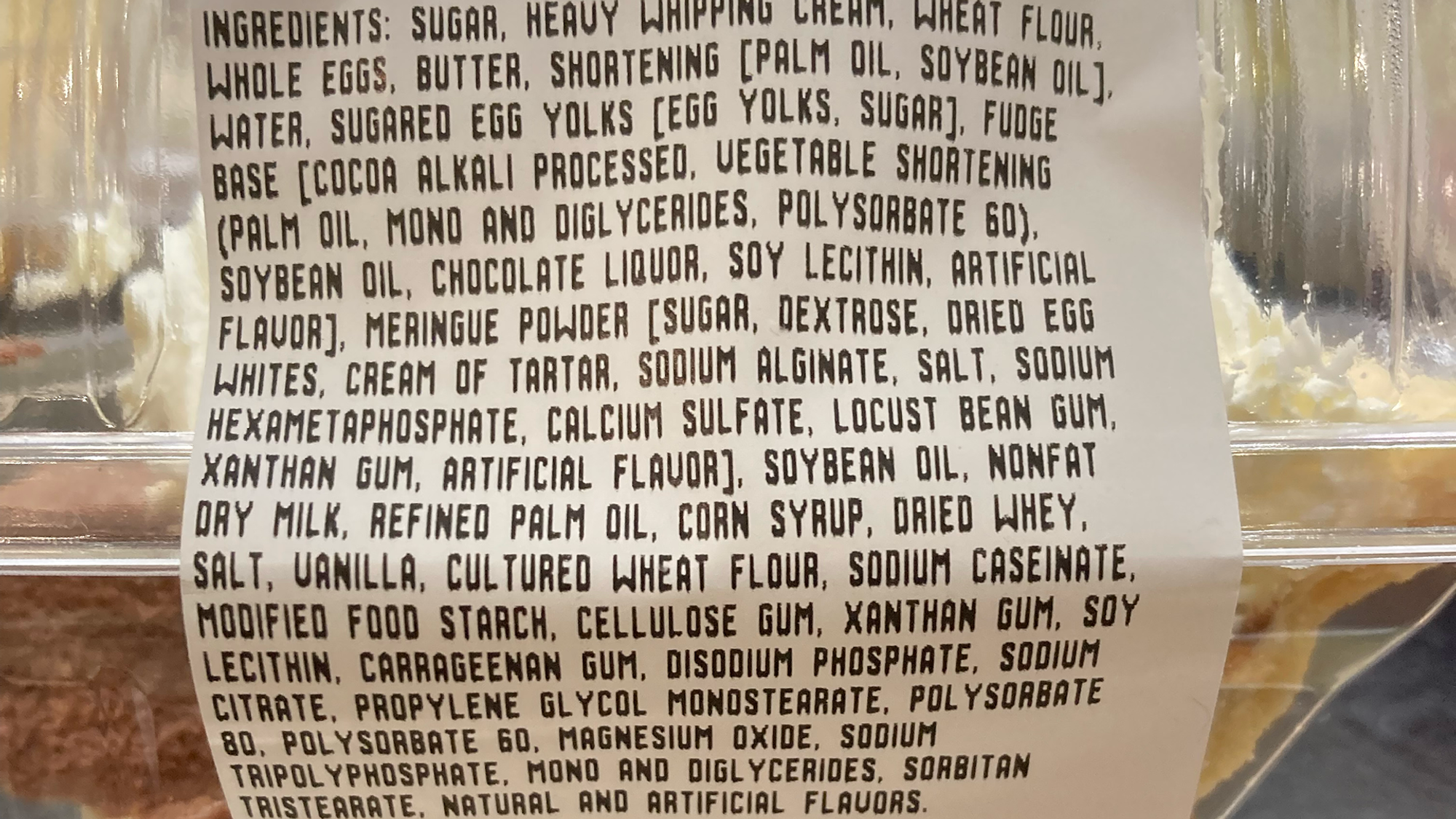
Accomplishing these manufacturing objectives leads to special nutrition, ingredient, and risk-disclosure labeling. Avoid the labeling, and you avoid factory food. Yes, it’s that simple.
Most of these factory food ingredients have only been tested on human cells and only to a degree that has not yet been identified as causing harm, reaching a clinical threshold for disease, such as cancer. Virtually none, except perhaps fructose, have been tested for long-term effects on metabolic syndrome, obesity, and metabolic disease. Basically, if they don’t directly cause cancer or heart disease, they are GRAS, Generally Recognized As Safe. Worse yet, virtually none have been tested for harm to the essential microbes of the microbiome.
The trillion-dollar factory food industry sees this coming and is arguing that some factory food is safe, while others not so much. They are championing the efforts to classify factory food as processed and ultra-processed. Processed food is a necessary evil for convenience and low cost, while ultra-processed food is a harmful indulgence that can be consumed sparingly. Nutrimatters believes these are distinctions without differences and are designed to perpetuate the status quo.
If it has a nutrition, ingredient, and risk-disclosure label, it’s factory food, and it has not been proven to be safe for human and non-human cells. Further, there is considerable evidence in the form of widespread and increasing metabolic syndrome, obesity, and metabolic disease that factory food is not safe.
Food Labeling Primer.
The best-case scenario for maintaining a No Ingredients Label diet is when it’s obvious that no Ingredients Label is required to know what you’re getting. We begin with food that doesn’t have any packaging to affix an ingredients label, such as fresh fruits and vegetables, unpackaged nuts, and so on. In fact, you do the packaging by grabbing a produce or bulk bag.
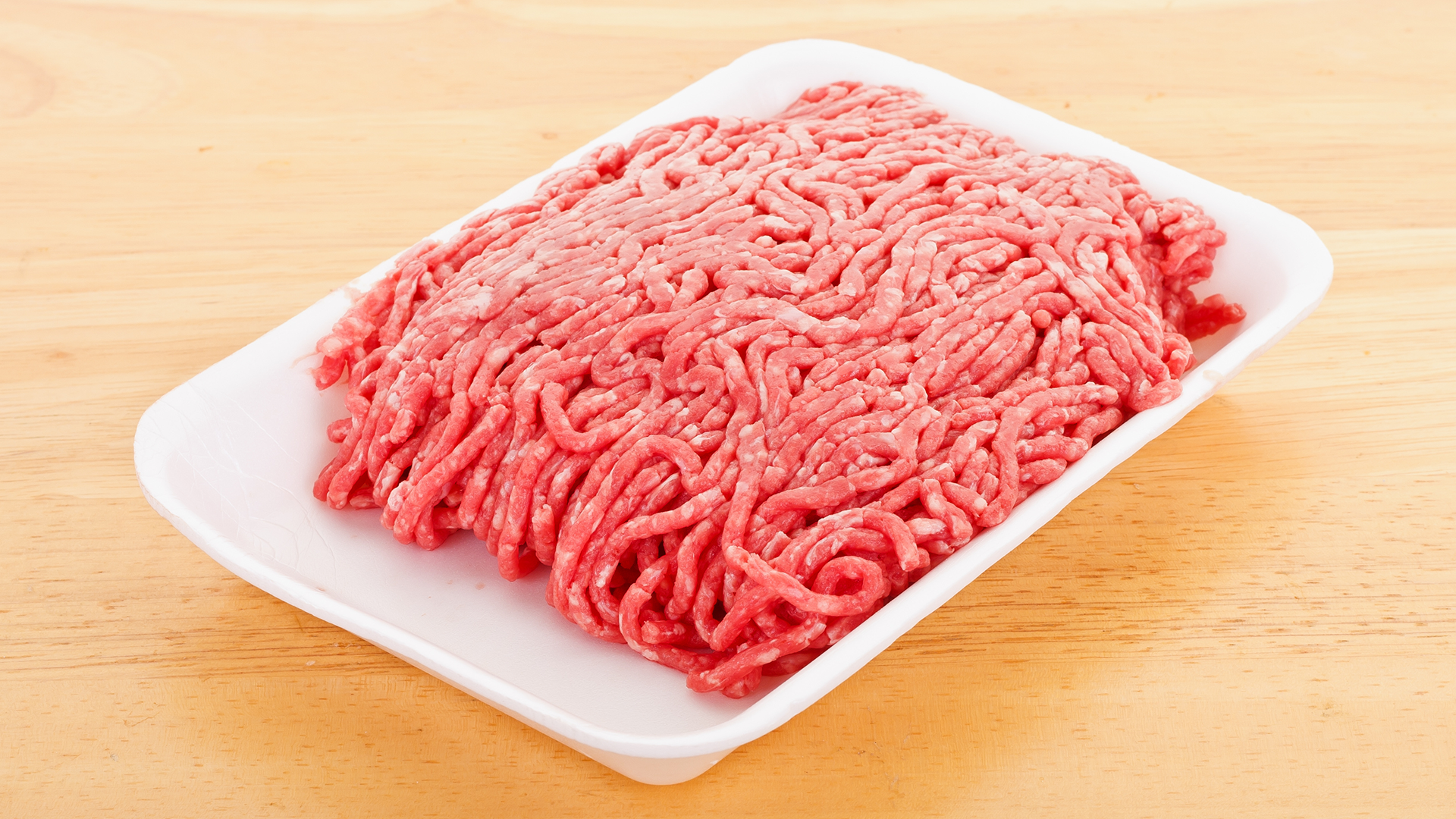
Then we move to food, where there is typically clear or accessible packaging but virtually no information about the food beyond a very recent packaging date and weight or count. These are typically fresh eggs, meats, poultry, and fish. Dairy can get more complicated and because of its packaging it requires an Ingredients Label, but look for one where the label only lists the components of dairy that cows and goats make (lactase enzyme to make lactose-free dairy is OK).
The FDA does not require an Ingredients Label for food, including handcrafted food, that is directly supplied by the manufacturer of small quantities of products to the final consumer, or to local retail establishments directly supplying the final consumer, foods served or delivered for immediate consumption, and foods prepared, processed, and sold onsite by delis, bakeries, or salad bars.
Sadly, restaurant food and food prepared in grocery stores are typically factory food even though they do not have Ingredient labels as they are given to the customer. This is due to many of their ingredients being supplied by major food distribution companies, such as US Foods and Sysco, who add all the same factory food additives to the food components that the restaurant and store will prepare. Unless you can confirm that the components do not come with ingredient labels, it's not EatNIL® just because it was prepared locally in a restaurant or store.
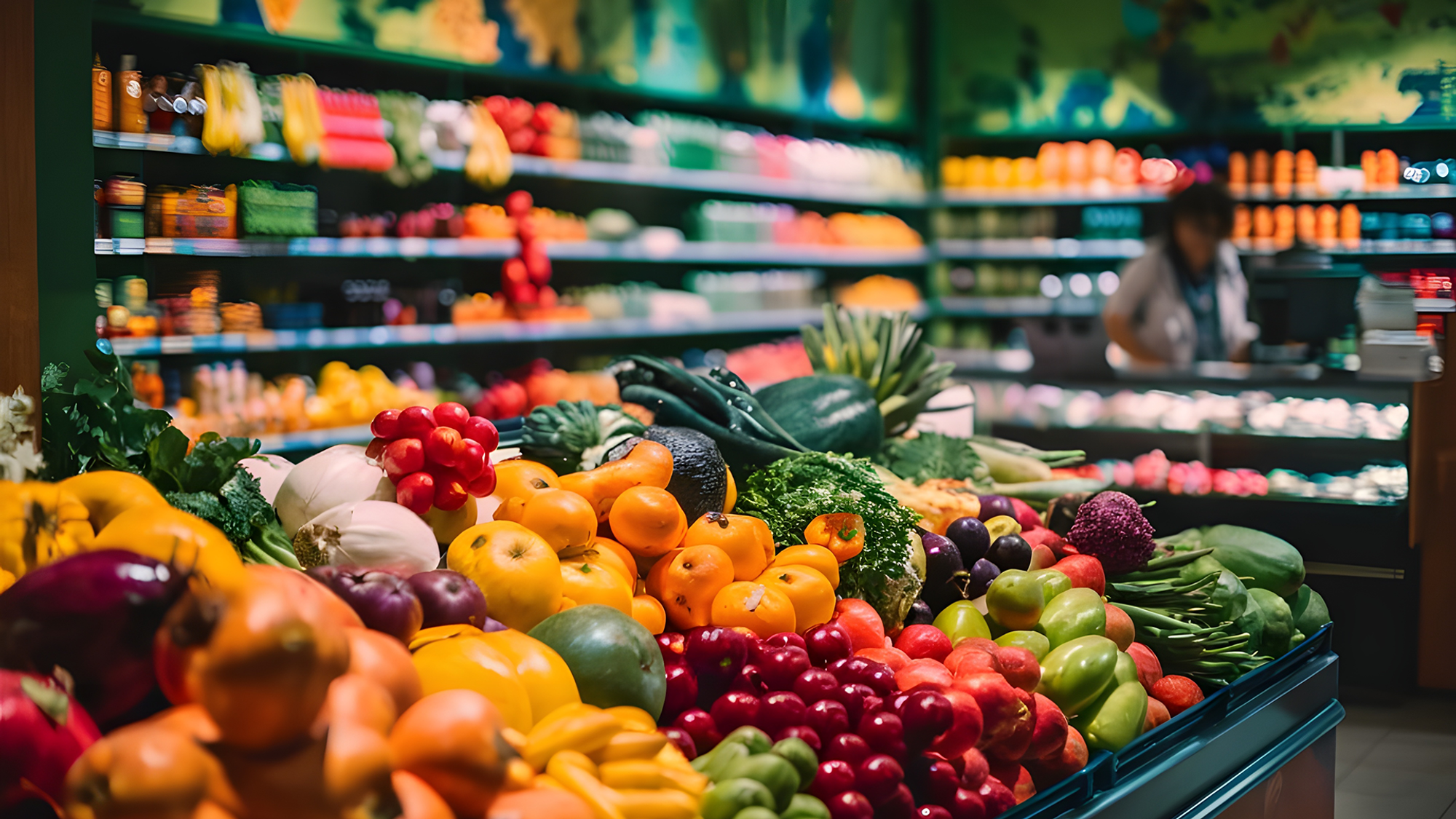
There is a considerable amount of high-quality, tasty food available that comes without, or very limited, packaging or Ingredient Labels. If you want to keep it simple and get the maximum benefit from the least amount of time invested in learning about nutrition and how the new science says the body works, then EatNIL® is the Nutrimatters Program for you.