
Table of Contents
What is 6by6Living
6by6 Is The Fix describes 6by6Living, a program developed and supported by Nutrimatters, that is the single most effective change you can make to fix your nutrition and lifestyle to avoid and reverse obesity and metabolic disease. The 6by6Living program intends to work with individuals, organizations, and the hospitality, restaurant, and food & beverage industry to change the culture and commerce of late-night eating of harmful factory food through education, persuasion, and positive consumerism.
Nutrimatters has undertaken an exhaustive review of the most recent scientific research and applied it to its own experience at successfully avoiding and reversing obesity and metabolic disease. This new research includes significant new findings about how the human body functions. This research also contains numerous cohort studies and randomized controlled trials on the gut, the microbiome, and eating schedules, such as Time Restricted Eating and Intermittent Fasting.
6by6Living addresses the inescapable conclusion of the new science that “When” you eat is just as important as “What” you eat. Another inescapable conclusion is that the new science undoes the widely held belief that obesity causes metabolic disease; it’s the other way around. These two conclusions alone change everything and reveal a new way forward that has a much higher probability of success than current approaches, which are failing miserably.

Symptoms Are Not Causes
Nutrimatters knows blaming obesity is just another blame-the-victim campaign by those people and organizations responsible for the incredibly low single-digit success rate at avoiding and reversing obesity and metabolic disease without medicine and surgery.
Nutrimatters believes it all begins with damage and dysfunction in the gut and the microbiome, not desire, willpower, discipline, character, etc. Obesity is just one of the more noticeable symptoms of this damage and dysfunction that started much earlier. However, many early symptoms of this damage and dysfunction often go unnoticed or are not commonly associated with the gut, such as fatigue, mood and cognitive changes, skin, nail, and hair changes, sore joints and muscles, insatiable hunger, becoming sedentary, etc.
Nutrimatters concludes from the new science that people without gut damage and microbiome dysfunction generally do not overeat, are not always hungry, are not naturally sedentary, do not easily put on weight and find weight impossible to take off, and worse when they eat the right food on the right schedule.
Therefore, 6by6Living is first and foremost about permanently avoiding and reversing damage and dysfunction in the gut and the microbiome, which often happens well before any symptoms appear. 6by6Living was not designed to directly address one of the most common search terms, such as “How to lose weight? or “How to lose weight fast?”
6by6Living is not about temporarily losing those 20 vanity pounds to get into that little black dress or tux for the big night out. Appearance is not a focus of Nutrimatters because, in the long run, vanity is a very poor motivator for real change (unless you’re a teenager).
6by6Living is not about temporarily losing those 20 vanity pounds to get into that little black dress or tux for the big night out. Appearance is not a focus of Nutrimatters because, in the long run, vanity is a very poor motivator for real change (unless you’re a teenager).

The new science reveals that losing weight temporarily vs. permanently are two completely different biological processes with totally different approaches required to affect change. Simply put, temporary weight loss is about filling and draining fat cells and permanent weight loss is about first not creating fat cells, and if created, destroying fat cells.
Further, Nutrimatters believes the obesity and metabolic disease health crisis is unfolding much like the smoking health crisis did over the past 50 years. At first, no one knew that such a common everyday practice as smoking could be so harmful and was even considered healthy.
Early on, there were a lot of denials, confusion about the science, misinformation, and protection of self-interest as the research findings grew about the harm of smoking. For decades, parties with a self-interest in the smoking status quo held to the excuse that they just didn’t know. But over time, their ignorance became clearly willful and self-serving.
What will be the response to the discovery that another common everyday practice of sitting, snacking, and late-night eating of factory food is as harmful as smoking, perhaps more so? Will there again be a lot of denials, confusion about the science, misinformation, and protection of self-interest as the research findings grow about the true causes of obesity and metabolic disease? Will there once again be persistent willful and self-serving ignorance? Nutrimatters is committed to NOT repeating the tragedy of the prolonged ineffective response to smoking’s harm. Nutrimatters intends to get everyone focused on the root causes of obesity and metabolic disease as soon as possible.
The New Approach - 6by6Living
Nutrimatters understands we must do a lot of explaining to support 6by6Living and our other programs, which will be the focus of the coming new online curriculum. But as a nonprofit, Nutrimatters doesn’t see any reason to delay at least releasing the bottom line of our findings to help people prepare for a sea change in nutritional thinking.
We simply believe that every day of the 17-years it takes on average until the established institutions adjust to the new proven science is another day too many to fix today's most significant health crisis.
The following is the fundamental principle of 6by6Living, which gives it its name:
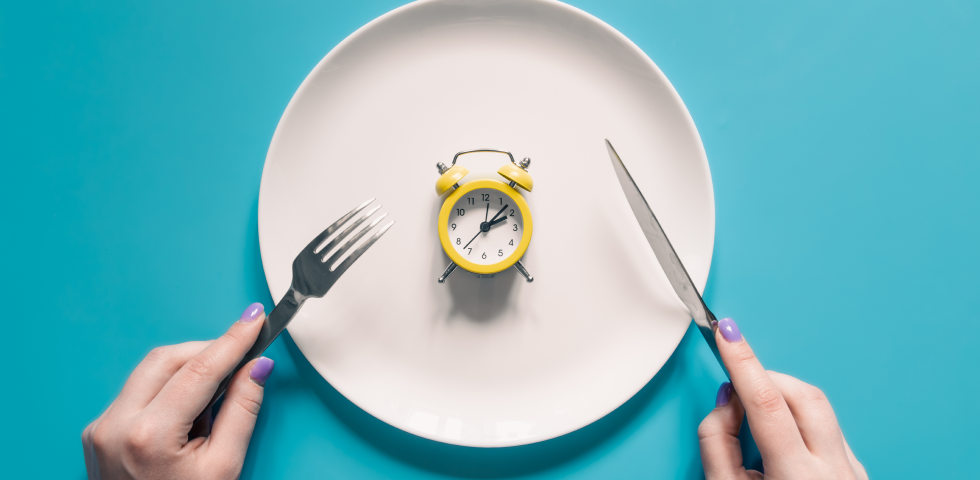
Take in all your nutrition every day in one 6-hour period, and that period must end no later than 6 hours before sleeping.
Scientists call this Time Restricted Eating (or Feeding when discussing lab research), which refers to daily eating timing. This is not the same as Intermittent Fasting, which changes by day of the week. Intermittent Fasting may have some benefits, but it’s much like Intermittent Sleeping, which would put the benefits at odds with your body’s daily needs. We believe it’s what you do every day that’s most important. Here are some examples of how 6by6Living works based on what time you go to sleep:
- If you fall asleep at 10 pm - Every day, start eating at 10 am and end eating at 4 pm.
- If you fall asleep at 11 pm - Every day, start eating at 11 am and end eating at 5 pm.
- If you fall asleep at 12 midnight - Every day, start eating at 12 noon and end eating at 6 pm.
With 6by6Living, you can still socialize and eat great food with friends and family but do it at a different time of day. Nutrimatters knows you have a life and that it’s almost impossible for any nutrition plan to work if it requires giving up the joys of living. The new online curriculum will be full of tips for making 6by6Living easier to accommodate.
6by6Living should not be confused with the 6:18 Intermittent Fasting Diet, which also separates eating and non-eating times into the same time blocks, but 6:18 does not reference late eating near bedtime. The fact that the 6:18 Diet allows eating up to bedtime is exactly why its results are variable and unremarkable depending on whether the person happens to establish their 6-hour eating period early or late. The time for the gut to rest and recover resulting from not eating late is critical to 6by6Living’s effectiveness.
If you must modify the 6by6Living eating period, start eating earlier rather than eating closer to sleep. If you must eat closer to sleep, try an 8-hour eating period ending no later than 4 hours before sleeping (8by4). Keep in mind the benefits of 6by6. Living dissipates significantly when you eat much later than within 4 hours of sleep. Generally, 6by6 is for improving obesity and metabolic disease, and 8by4 is for maintaining the current level of obesity and metabolic disease. Just think of 6by6Living as meaning The Late Lunch is the New Dinner.
Additional Essential Elements to Success
Another reason Nutrimatters doesn’t call it the “6by6Diet” is because there is more to it than recommending certain food choices. While the online curriculum explains all the reasons why, here are the Six Essential Elements to get the best results from 6by6Living:
1. Nix The Snacks
Eat two or three, depending on your age and activity level, separate complete meals in the 6by6-eating period, with about two hours between meals if eating three meals and more time between if eating two meals. The gut and microbiome work better on full meals processed at widely separated intervals where nutrition is presented as a concentrated food bolus. An optimal food bolus better supports the fluid mechanics of osmosis through membranes of the gut wall and cells and the neuromuscular movement of the material through the length of the gut. Spacing an optimized bolus also better aligns with the charge, discharge, and recharge process of the food processing hormones, enzymes, hydraulics, chemistry, biochemistry, and microbes.
Sports drinks and real fruit smoothies are also snacks in this context. As we'll show in detail later, fruit fructose and sucrose are threshold toxins, safe in modest doses and harmful in larger doses. The threshold occurs when the amount exceeds, typically, more than four teaspoons, the limit of what the microbes in your gut can process. This varies greatly by individual based on the health of your gut and microbes. The excess fructose and sucrose are transferred directly to the liver, where it is turned into very harmful excess fat. This threshold is also affected by the material's concentration, liquidity, and flow rate through the gut. When these complex sugars are in Sports drinks and real fruit smoothies, they are much more prone to get to the liver for the same amount of complex sugars in solid food.
It's best that liquids have no calories. But if you must have sugar in your coffee or tea, then drink it in the morning just after fasting so it's largely replacing your blood glucose and drink it with your food to slow down its absorption and transit time through the gut.
And yes, any form of alcohol is also a snack with the same threshold issues and equivalent impacts on the gut and liver. Regarding gut and liver health, there is little difference between a glass of any alcohol and an equal glass of complex sugar. The science is finally conclusive that nutritionally, no amount of alcohol is healthy. But there is more to life than nutrition. Wine is better than whisky, and whisky is better than beer. Drinking in moderation over time, as early in the day as possible, and with food helps stay below the harmful threshold.
But this doesn’t mean you should order sliders to have some food with your late-night beer. This means you can have a modest glass of wine with your early dinner. If you do drink alcohol, do it thoughtfully and emphasize the other essential elements of 6by6Living. For example, relatively healthy cultures eat late and drink plenty of wine, but they always drink slowly with food, walk everywhere, and never ever eat factory food.
6by6Living should not be confused with the 6:18 Intermittent Fasting Diet, which also separates eating and non-eating times into the same time blocks, but 6:18 does not reference late eating near bedtime. The fact that the 6:18 Diet allows eating up to bedtime is exactly why its results are variable and unremarkable depending on whether the person happens to establish their 6-hour eating period early or late. The time for the gut to rest and recover resulting from not eating late is critical to 6by6Living’s effectiveness.
Snacking makes the gut run continuously and minimizes both immediate and long-term rest, recharge, and recovery time. Computers and machines run well as a continuous process, but life is a daily batch process. Therefore, absolutely no snacking in or out of the 6by6-eating period.
Check out the Nutrimatters SnackNix™ program to learn more about how Nutrimatters intends to encourage an end to snacking.
Food must be processed non-stop through the entire 25+ foot length and nearly the 350 square feet (32+ sq meters) of microbe-infused surface area of the gut once put in the mouth, even if it’s only a mouthful.

2. No Calories, No Help
Nutritionally, only put unflavored water in your mouth outside the 6by6-eating period. No-calorie foods and calorie-free sweeteners are also NOT allowed in the 6by6 no-eating period. Why? Because it’s not just about calories. It’s about rest and recovery of the gut and the microbiome. Any eating, regardless of calories outside the 6by6-eating period, disrupts the gut’s critical rest and recovery cycle, much like late-night caffeinated drinks disturb the brain’s crucial rest and recovery cycle. How many bad nights’ sleep due to late-night caffeine is OK before you damage your health? It’s the same with eating outside the 6by6-eating period.
Further, something tasted in the mouth, even without calories, triggers the release of food-processing hormones into the gut, such as bile salts and insulin. Once in the gut, these hormones expect to find calories, and if they don’t, the body releases calories from storage in the muscles and liver (to be replaced later the next time you overeat, even slightly). This is why study after study shows people who replace calories with calorie-free foods do not lose weight and why the calories-in/calories-out approach to weight loss generally does not succeed in the long run. The physics is right, but the accounting is wrong. The body “cooks the books” and tricks you into not properly counting the calories.
Unlike poor sleeping, where you are quickly aware of its ill effects, you only know you’re harming your gut and microbiome when you start noticing the early symptoms of obesity and metabolic disease, such as excessive hunger, weight gain, and fatigue.
3. Outsmart Hunger
Understanding hunger is essential to avoiding and reversing obesity and metabolic disease. For example, never eat until you are full (i.e., no longer hungry) at the table. Eat a quantity of food so that you are full 30 minutes after eating. There is a 30-minute delay in the body’s systems that signals you have eaten the right amount. This is the time it takes for quantities of food to enter the small intestine and trigger the satisfaction circuit. If you eat until you are full at the table, you will always overeat. This is a much more effective means of avoiding overeating than trying to count calories.
If you are still hungry 30 minutes after leaving the table, eat more, but always wait before consuming more. You will find, more often than not, if you wait, the hunger will dissipate. You will soon figure out the exact right amount of food to serve to ensure you feel full 30 minutes after finishing your meal.
Also, when practicing 6by6Living, you will experience a hunger spike 3 to 4 hours after you last put nutrition in your mouth. This is the time it takes for quantities of food to leave the small intestine. The hunger spike is typically masked by snacking but will be very obvious when practicing SnackNix. Do NOT put anything in your mouth now, or you will worsen the hunger. This hunger will start to subside in 30 minutes and typically be gone by bedtime. The longer you practice 6by6Living, the less severe this hunger spike becomes, with it becoming almost unnoticeable after a few months.
It can be true that eating before bedtime helps you get to sleep, but the reason is proof that you are harming your health. Over time people who eat to sleep come to believe hunger will keep them awake. However, alcohol, complex sugars like fructose and sucrose, and most factory food in the bedtime snack interfere with the body’s energy conversion systems (ATP & Krebs cycle), making you feel momentarily tired about 30 minutes after consumption. If you time it right, you feel like the snack helped you fall asleep. However, when the system recovers and bounces back a few hours later, you often wake up or have restless sleep the rest of the night. This is very much like smoking to stay thin. It may work, but is it worth it? There are better ways to help you get to sleep and stay asleep. Use them.
Another way to outsmart hunger is not eating the factory foods described below. Many of these foods are specifically designed to stimulate hunger and create cravings, making it much harder to outsmart hunger.
Generally, hunger will always be part of the early phases of retraining the body to use nutrition in a healthier manner, especially if you’ve been eating factory food. Therefore, another benefit of 6by6Living is that most of your hunger occurs while sleeping. You may dream more about food, but mostly, you’ll sleep through it and be unaware you’re hungry.
You can’t defeat hunger, but you can outsmart it

4. Lead With Carbs Finish With Protein
In the modern nutrient-rich diet, what you don’t eat is much more important than what you do eat. The current focus on eating the right foods comes from the fact that you can’t make money by telling people what not to buy and eat. This also is a holdover from times when a shortage of nutrients was the main problem.
Today, the problem is rarely insufficient nutrients; the problem is almost always too many harmful ingredients. For example, avoiding added fructose sugar and other high molecular weight sugars. Seven grams or less of fructose is safe because it is digested in the gut. Over seven grams of fructose goes to the liver through the hepatic portal and is stored as liver fat, displacing liver cells and reducing the liver’s filtering ability. Common table sugar (sucrose) is ½ fructose, meaning 14 grams (or less than four teaspoons) of table sugar (sucrose) is toxic to the liver. Some single-serving cups of “healthy” yogurt exceed this toxic level.
Nutrimatters does not champion a specific “best diet” such as Low-Carb, Keto, Paleo, Mediterranean, Vegan, Vegetarian, Plant-Based, Adkins, DASH, etc., because it all depends on the health and composition of your gut and microbiome. Also, all diets can be healthy or unhealthy depending on how the food is processed and what has been added to them. As Dr. Lustig says often, it is not the food; it’s what's been done to the food that counts.
Further, all these diets are primarily designed for temporary weight loss, not permanently avoiding, and reversing the damage and dysfunction to your gut and microbiome. We now know it is essential that the food choices in your diet are gut and microbiome-friendly, independent of your personal diet preferences. You will likely be unable to permanently lose weight and avoid metabolic disease regardless of diet preference without restoring your gut and microbiome to full health. This is because the body works differently than we were taught.
What we were taught in school, that nutrients in food seep through the intestinal wall and enter the blood through capillaries, has been proven wrong by the new science. The nutrients in food almost exclusively have to be preprocessed through microbes before the human body can use them. In fact, microbes are responsible for most of the body’s source biochemistry.
At last count, nearly 4,000 different species of a trillion microbes are metabolically active in the human body (more cells than those with human DNA). The combinations and permutations of microbes are virtually incalculable, making everyone’s nutrient conversion systems unique. Science now makes it clear that you want as diverse a population of microbes as possible when it comes to the microbiome.
Therefore, since you breed what you feed, your food choices must be diverse, and everything must be consumed in moderation. Too much of a particular food will breed too much of a particular microbe, undermining diversity.
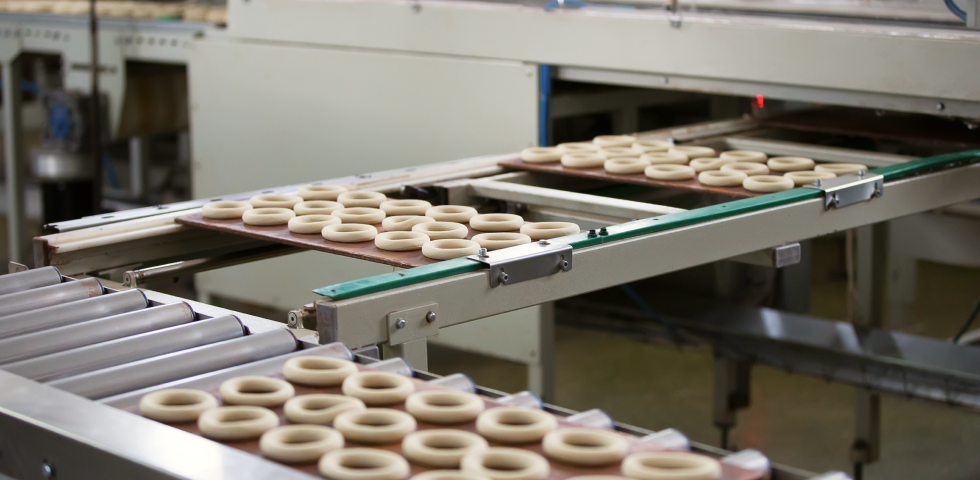
Maintaining microbiome diversity also means your food choices do not come from a factory where high concentrations of certain additives lessen microbial diversity and favor fewer desirable microbes. Nutrimatters defines factory food as food with added complex sugars (sucrose, fructose, lactose, maltose, etc.), preservatives, emulsifiers, thickeners, and additives designed to make food travel long distances with a long shelf life.
The high concentrations of these fundamental components that define factory food are virtually never tested for harmful effects such as favoring harmful microbes that compete with the beneficial microbes important to good health. Generally, if they don’t cause cancer or damage to human cells, they are what the FDA calls GRAS or Generally Recognized as Safe and allowed without restrictions or monitoring into the American food supply. There is no testing regarding the microbiome for GRAS. We disagree with the current approach where food additives can be used until proven unsafe to you. Food additives should not be used until they are proven safe for you AND your microbiome.
For example, the preservatives designed to kill the microbes that cause food rotting in packaging are the same microbes that cause food digesting in the body. Therefore, preservatives, by their very design and intent, whether natural or synthetic, also harm digestion and undermine the functioning of the gut and the microbiome.
Many scientists and food experts call these “processed” and “ultra-processed” foods. However, we believe these terms are perpetuated by the food industry to increase confusion and gain acceptance of harmful food under the “processed” label as food that’s not as bad as an “ultra-processed” label. We believe years will be spent defining these distinctions and arguing what foods go under what label, processed or ultra-processed. Nutrimatters believes this is not a nuanced issue, and the science is decisive once you add gut health and the microbiome to the analysis. If the food has added complex sugars, preservatives, emulsifiers, thickeners, additives, and harmful oils and fats designed to make food travel long distances with a long shelf life, mask inferior ingredients, and enhance flavors to create dependence, it’s harmful and should be easily identified with only one label, “factory food.”
Factory food doesn’t only mean it is produced in large food-producing factories. For example, there is a new trend for food cooked for near-term consumption at the local grocery store. But often, even though grocery ready-made meals are made in small batches daily on-site for near-term consumption if you look at the ingredient labels, there are all these same added complex sugars, preservatives, emulsifiers, thickeners, additives, and harmful oils and fats. This is because most meal-making components many grocery stores use come from far away food factories, requiring the same ability to travel long distances with a long shelf life.
Further, while we don’t get ingredient labels in restaurants, the same factory food’s meal-making components are fast replacing traditional chef cooking. It’s likely groceries and restaurants are also interested in factory food’s masked inferior ingredients to reduce costs and enhanced flavors to create dependence even when travel distance and shelf life are not essential to their business model.
.png)
But this doesn’t mean we can only eat food from great grandma’s kitchen. Food can be recently made by others and at a large scale in nearby kitchens. This is currently happening with local direct food delivery, convention centers, cruise ships, and large hotel buffets. But to be safe and healthy, food simply can’t contain the added complex sugars, preservatives, emulsifiers, thickeners, additives, and harmful oils and fats.
The factory food industry claims the current model is the only way to meet food demand and keep prices low. This sounds a lot like department stores claiming a website shopping direct delivery model will never work, but then along came Amazon and proved them wrong. We need a similar new model to produce and deliver safe and healthy food at scale, and it’s already starting.
Finally, the elephant in the room regarding factory food is the main reason we eat so much of it: convenience. Another reason we call it 6by6Living instead of the 6by6Diet is that 6by6Living’s essential element of avoiding factory food will only succeed at scale if we can approach the convenience of factory food.
Our approach to convenience is based on our principle of “substitutions, yes, suffering, no.” No program will succeed if people have to materially reduce the quality of their lives in the short run for an uncertain long-run benefit. The key is substituting something of equal enjoyment for a harmful behavior. The right plan for food preparation can provide the convenience of factory food by substituting time spent in a pleasurable but harmful activity with a different pleasurable yet non-harmful activity.
For example, replace one hour sitting on the couch eating snacks and watching TV or gaming each evening with one hour standing in the kitchen preparing tomorrow’s meals. Preparing meals, such as pre-cutting fruit, can be more social than watching TV or gaming, and it can make breakfast with fresh food as convenient as breakfast with factory food, which is critical in the morning craziness of off to work and school.
Check out the Nutrimatters TrustedEating™ program to learn more about how Nutrimatters intends to help change factory food.
The factory food produced today cannot be made safe and healthy.
5. Fear Factory Food
Eat more carbs toward the beginning of the 6by6 eating period and more protein toward the end of the 6by6 eating period but have some carbs and protein at every meal. Food processing, like sleep, is also subject to the biochemical and hormonal changes in the body’s daily cycle, known as the circadian rhythm.
You probably know that the circadian rhythm refers to hormone changes throughout the day that influence your awake and sleep cycle, such as melatonin and serotonin, helping you fall asleep. It turns out that the same happens with food-processing hormones, which influence whether food is converted to fat or energy, such as insulin and glucagon. Due to the circadian rhythm, carbs processed during the day are mostly made into energy, and carbs processed at night are mostly made into fat. Therefore, you want fewer carbs processed near or during sleep.
Same carbs, different schedule, very different outcomes.
6. Nix The Sitting
Regarding obesity and metabolic disease, the many benefits of active exercise are realized if you spend at least 15 minutes every hour of the non-sleeping day on your feet and weight-bearing. Fat cells release inflammatory hormones called adipokines 24/7. But muscle cells release anti-inflammatory hormones called myokines only when muscles contract. You must be weight-bearing as much as possible to balance inflammatory and anti-inflammatory hormones throughout the day.
It is better to spend all day weight-bearing at a standup desk and NOT run a 5k (balancing these hormones throughout the day) than to sit all day and then run a 5k at the end of the day (having inflammatory hormones dominant all day but have a short-term excess of anti-inflammatory hormones after the run). High-intensity exercise has many other well-documented benefits but is unnecessary to avoid and reverse obesity and metabolic disease, especially the large component caused by systemic inflammation.
Check out the Nutrimatters SitNix™ program to learn more about how Nutrimatters intends to encourage more time spent weight-bearing and less time sitting.
Remember, Sitting is the New Smoking. Yeah, it’s really that bad for you, and now we know why.
Looking Ahead
These Six Essential Elements interact with each other to regulate obesity and metabolic disease. A strong compliance in one element helps offset a weaker compliance in another element. For example, some cultures traditionally eat late, yet they have a much smaller obesity and metabolic disease problem. That’s because these cultures also eat very little factory food, don’t snack, and walk everywhere.
The Nutrimatters 6by6Living program intends to conclusively demonstrate that 6by6Living is the best choice to achieve healthy and sustainable weight control and well-being without medicines or surgery.
Contact us to be notified when the online curriculum is available. This curriculum will contain the science, observations, and experience that serve as the foundation for the 6by6Living program. We believe you will find the evidence compelling. If you want to try 6by6Living now, the risks are low, and the benefits become quickly apparent.
Thanks for visiting, and the best of health and spirit to you and yours.